Working life: Claire Howard, arrhythmia nurse, Mater Private Hospital, Dublin
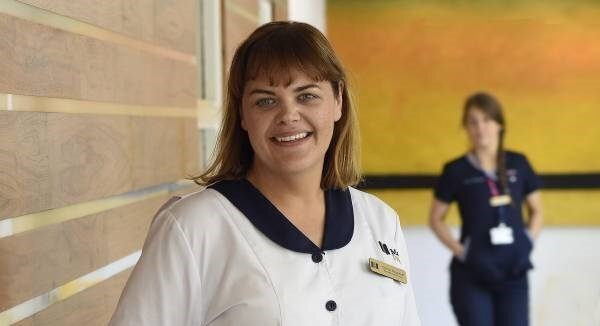
The alarm goes off and I’m up and out the door by 6am. I live in Meath and commute by bus, which drops me at the door of the Mater. It’s a 40-minute trip.

We have a multidisciplinary team meeting early Thursday mornings where we discuss complex cases. We have five arrhythmia doctors, otherwise known as consultant electrophysiologists. Arrhythmia means an irregular heartbeat. There are different forms of arrhythmia, the most common being atrial fibrillation. It causes the upper chambers of the heart to contract abnormally. Symptoms include palpitations, shortness of breath, chest pain, dizziness.
I review my emails and the inpatient list to see who I need to check in on — generally, it’s patients who are pre or post procedures such as cardiac ablation. This involves threading a catheter from groin to the heart to correct incorrect electric signals that are causing an abnormal heartbeat.
Patients can find the prospect daunting, so a big part of my role is educating and supporting beforehand and making them aware of how they should feel after the procedure.
I have breakfast in the hospital restaurant.
I devote a couple of hours each day to follow-up — phoning patients a week after their procedure to see how they are feeling, if they have queries around medication or need any follow-up advice.
Lunch
I work on patient education packs, which give patients step-by-step information on their condition. This would include the use of specialist devices that attach to their smartphone which records their ECG — a test that measures the heart’s electrical activity — and is then emailed to the hospital. We have 17 patients enrolled in a European clinical trial on arrhythmia, involving nine other countries.
I check to see if there are any new patients — either walk-ins or GP referrals through our 24/7 Urgent Cardiac Care or same-day arrhythmia service.
I take the bus home. In the evenings, I try to get to the gym, at least three times a week. I’m preparing to abseil off the roof of Croke Park for Multiple Sclerosis Ireland.













