Creating images of the healing power of plants
An exhibition at the Glucksman highlights how many medicines have come from the natural world, writes
PLANTS save lives. Aspirin comes from willow bark, chemotherapy drug Taxol has its origins in the Pacific Yew tree, and digoxin, a medicine commonly used to treat cardiac arrhythmia, comes from foxgloves.
A new exhibition in the Lewis Glucksman gallery at UCC explores the plant origins of six important medicines. The artist behind the work has ample reason to respect the role plants play in medicine: as a diabetic, her life depends on metformin, a medicine with origins in goats rue, a plant commonly found growing on waste ground in the UK.
“When I was making the artwork I thought, this is my story,” Francoise Sergy says. “I wanted to celebrate this plant that made the drug that’s so important to me.”
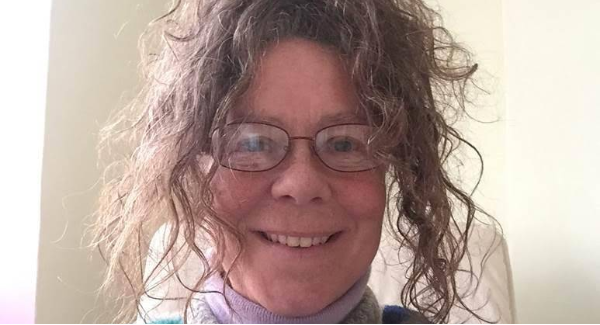
In an intensive three-year project, Sergy spoke to patients, scientists and clinicians, photographed labs, grew the plants from seed, and witnessed experiments. The result, The Fox Got You, is a large-scale body of work that pushes against the increasingly permeable membrane between arts and sciences without ever being transported across it.
Sergy is one of a growing number of artists to embrace this cross-over between arts and scientists, dubbed STEAM.
“I’m not a scientist, but I’m very good at asking questions,” Sergy says. “As an artist, you can have an overview, an umbrella vision that brings people together. Sometimes I’m not really explaining the science but making it more emotional and visual; I guess I’m telling the story.”
Sergy’s career can be divided into three distinct phases. As a young woman, she arrived in the UK from her native Switzerland to study contemporary dance, and worked in performance arts, with an emphasis on the body, feminist aesthetics and medical imaging. But in her 40s, following a knee injury, she found herself drawn more and more towards photography and away from the physically punishing medium of contemporary dance.
“I stopped performing,” she says. “I finished one show and didn’t have an idea for another, so I thought it was a sign to move on. I told myself I could go back to performing and adapt if I wanted to.”
A self-taught photographer, Sergy began to focus on visual arts. “Then,” she says, smiling, “I fell in love with plants.”
“I needed to earn more money, so I started gardening for people and I realised I knew nothing, so I trained in horticulture and that has shifted my practice: now, I’m both a gardener and an artist.”
Approached via what she describes as “the serendipity of the internet”, Sergy, who has toured The Fox Got You in hospitals and botanic gardens in the UK, was invited by UCC’s school of Biological, Earth and Environmental Sciences (BEES) to display her work in UCC.
Her eyes light up when she tells the story of the plants she’s studied: she describes how aspirin was discovered by an English vicar searching for marsh-loving plants to cure the symptoms of “the ague”, as malaria was then known, when the disease swept England in the 19th century.
“My love of plants is to do with how they create an environment for us, and the well-being and little patches of heaven they give us access to,” she says.
Sergy is not a herbalist, and deliberately steered clear of untested traditional folk medicines, the better to delve into the hard science that has gone into isolating and synthesising plant molecules for medicine.
“I wanted to celebrate plants that made major drugs,” she says.
“Obviously, there are many herbs that have been used and plants that have been studied, but I wanted to show how important plants are in our lives even when they’re invisible.”
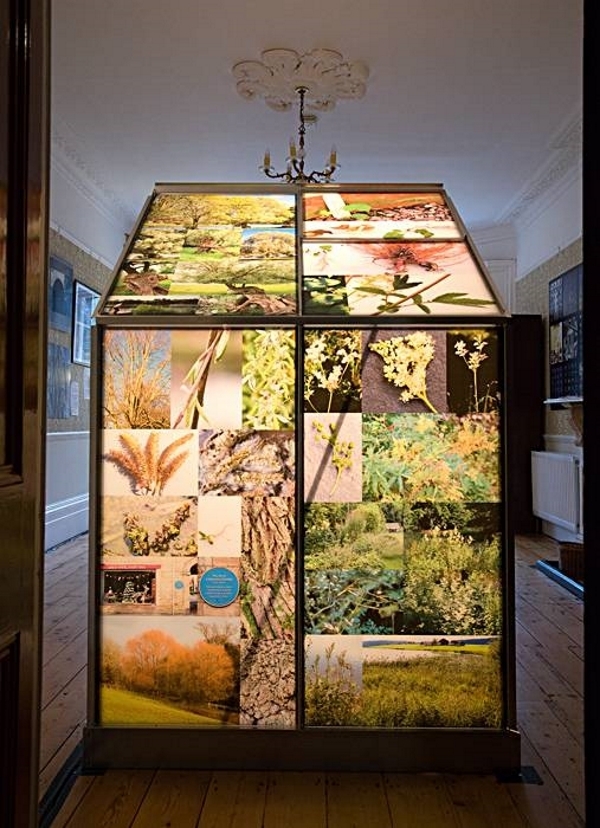
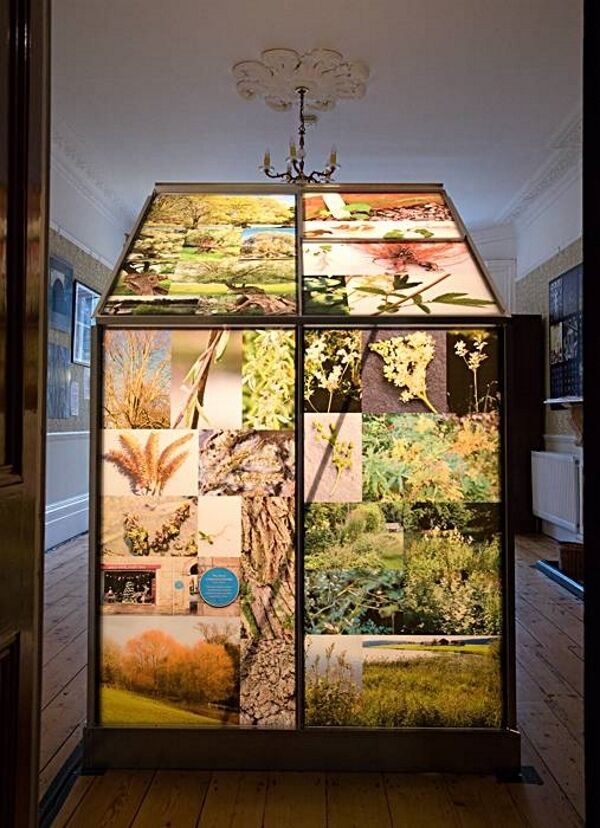
Sergy’s exhibition includes books, photographs, photographic collages, audio recordings of interviews, plant cuttings and a large greenhouse installation, lit from within by LED lighting.
In the section on metformin, it also contains three self-portraits, revealing her personal connection to the drug.
One, Sweets Orgy, is derived from a 1987 performance piece involving photography, shows Sergy covered in sweets. It’s an image that predates her own diagnosis with Type 2 diabetes.
“Why I chose that imagery then, I don’t know,” she says. “It became this premonition of becoming diabetic, because diabetes is in my family.”
- The Fox Got You is at the Lewis Glucksman Gallery in UCC until March 28

CONNECT WITH US TODAY



Be the first to know the latest news and updates














