Sophie Toscan du Plantier: The making of a West Cork murder podcast
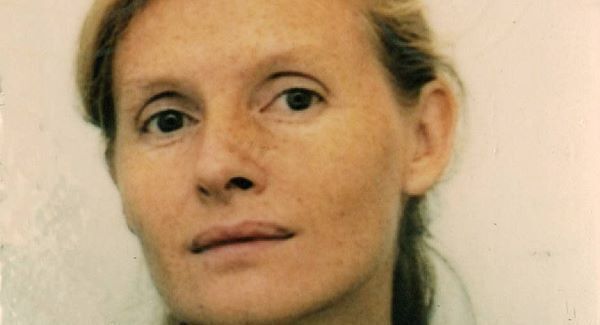
As Audible releases its series on the murder of Sophie Toscan du Plantier in West Cork, talks to the producers of the 13-part podcast.
The English podcast producers Sam Bungey and Jennifer Forde met while studying at university in Dublin over a decade ago. Forde’s parents are from Limerick City.
They have spent three years putting together a documentary series for Audible on the unsolved murder case of Sophie Toscan du Plantier, which is released today. In the midst of their production, they had a baby.
When it came to naming their child, a friend joked that they should call it “Podcast” — they were so consumed by their story.
When it came to naming their own 13-part podcast series, they looked beyond Ms Toscan du Plantier, the 39-year-old French documentary filmmaker who was murdered close to Schull, Co Cork, shortly before Christmas 1996.
They also chose not to name it after freelance journalist Ian Bailey, who lost a French appeals case last week, which means he could still face trial in France for the voluntary homicide of Toscan du Plantier. Mr Bailey has consistently denied any involvement in the crime and has the right to make a further appeal to the Court of Cassation, France’s highest court.
The courts in Ireland have also refused to extradite Mr Bailey to France.
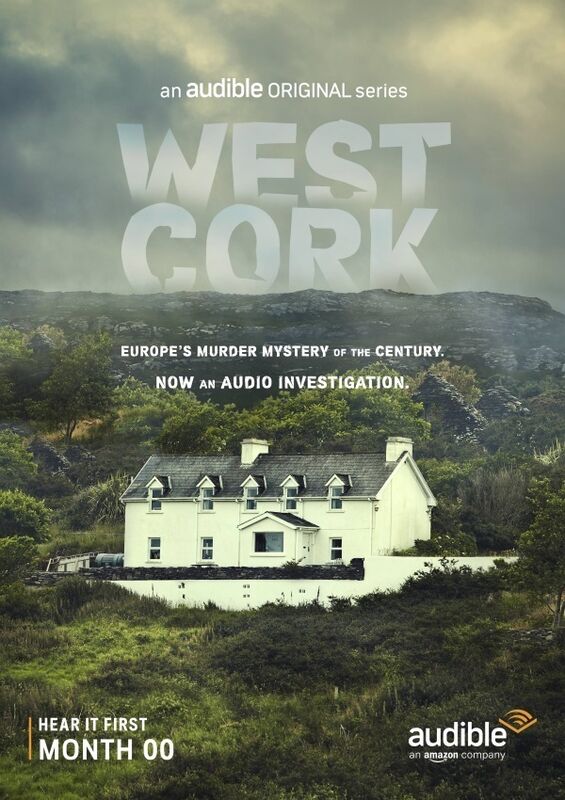
So when it came to naming the podcast, the producers settled on West Cork for their title, a place “cargoed with mystery”, as a poet describes the region during the podcast.
“It was after talking about the story to our producers in America that West Cork came up as a title,” says Forde.
“In terms of talking about whose story this is — is it Ian’s story? Is it Sophie’s story? The judge at the end of the civil trial in the high court said that Sophie has got lost in the drama of the case over the years. We were conscious that that shouldn’t happen.
“But the whole investigation into the case does veer off course and very far away from Sophie. So much of what’s happened and why it’s happened came back to where it happened. The key characters — Sophie, Ian, and so many of the witnesses are ‘blow-ins’. They’ve all ended up in West Cork for some reason or another. They had all been called to it for one reason or another.”
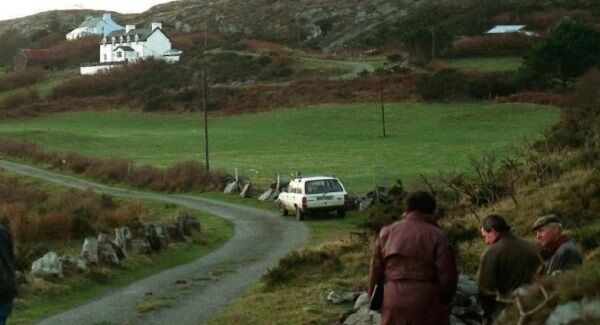
Bungey adds: “In some ways a crime like that could only happen in that place where there is no recent history of violent crime, and people weren’t used to dealing with it. The story if you’re going to break it down is about a crime that is still reverberating through this community — the fact it’s still unsolved and the prime suspect is still living there.”
The wildness of West Cork — the furthest place in Europe you can go without “getting your feet wet”, as one contributor remarks — and the warmth and wry humour of its natives comes vividly to life in the series. The 80-year-old Crookhaven publican Billy O’Sullivan pitches in with some turns of phrase borrowed straight from the lip of a cowboy.
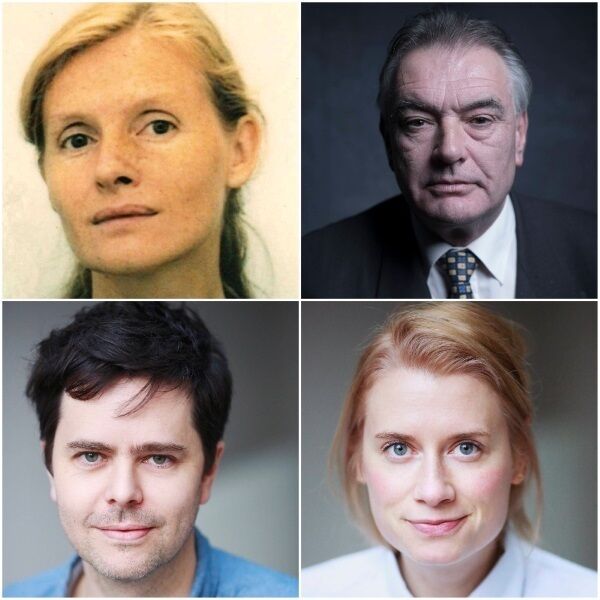
Unexpected people crop up in the recordings with tangential relationships to the story, such as the late poet John Montague as well as broadcaster Nadine O’Regan.
It is Bungey and Forde’s access to key participants, however, including interviews with members of Toscan du Plantier’s family, Bailey and detectives on the case, which impresses and helps to build a compelling drama. Some witnesses took a year and a half to convince to talk to them.
They also weave in recordings of gardaí discussing the case at Bantry Garda station.
“We got much further than we expected or even hoped,” says Forde. “We were conscious in many ways that it wasn’t our story to tell. It’s Ian and Jules’s [Thomas, Bailey’s partner] in one sense. It’s Sophie’s family. It’s the people of West Cork.
"What we did was bring all of those voices together over 13 episodes. Let them tell the story. The murder provided a structure, which we went back to. We interrogated it bit by bit, from the point of view of the people who lived through it.”
The benchmark for podcast series has been set by This American Life’s 2014 production Serial, which was hosted by Sarah Koenig.
Bungey and Forde’s warm, unthreatening interviewing style and their light narrating touch in relaying often complex material brings to mind the charm of Sarah Koenig. It makes for easy listening.
They’ve created an equally addictive show, which is commendable given the easier access to public records in the United States for making a crime series.
“It’s true that in America 911 calls are on the public record, court transcripts and so on,” says Bungey.
“There has been no trial in Ireland for the Toscan du Plantier case — there might be a trial in the future — but there have been these giant, on-running court cases where so much has been read into the record. People have testified and told their version of the story. That gave us a big head start.
“But the way we wanted to tell the story didn’t hinge on those things. We wanted to go straight to the source. We wanted to speak to people in West Cork and get their experiences directly. We wanted to hang out long enough to get their full stories. We were able to spend seven, eight months in West Cork.”
The couple say this approach lent itself to an episodic podcast rather than doing a television series.
“We were able to sit for a whole evening chatting to people in their homes. We wouldn’t have been able to do that with a camera crew.
It’s less intimidating. It’s more intimate just to have a recorder on a table.
“When you talk about Serial and Sarah Koenig and that team — they showed a way to be able to open up these kinds of stories to get everyone’s point of view, and to tell their full story rather than the micro bits you get in the daily chatter of news.”
All 13 episodes of ‘West Cork’ are released today on Audible.
See: audible.co.uk/westcork.
'It could start off simply with a push'
“The brain gets into a vicious cycle. There is no reasoning outside of what you’re doing. A lot of time they’ll have no recollection because the brain has literally fire-stormed into this violence. That’s why victims could be stabbed 50 times.
“If the perpetrator can’t have what they think they’re entitled to have. It could be sex. It could be drugs. It could be a debt. It could be anything. They see only one way out of this. Now did he entice her down [from her bedroom]? Did he try to have sex with her? Or whatever and she said, ‘Good luck, and thanks.’
“It could start off simply with a push. Push her to the ground. If she fought then he’ll start fighting back and it gets worse and worse and worse. That’s the normal procedure for violent crime.”
CONNECT WITH US TODAY



Be the first to know the latest news and updates