‘No one told me it was a secret but I knew I was not supposed to tell’
Barnardos has released a new video uncovering six things you might not know about the impact of domestic abuse on children.
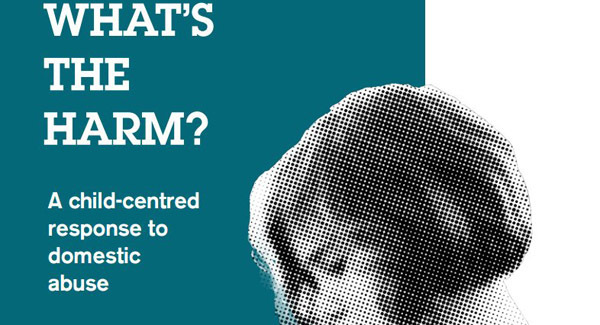
Children are too often forgotten in situations of domestic abuse and steps must be taken to better protect them, according to a new report also launched by Barnardos today.
The full report can be read here.
Bearing witness to domestic abuse leaves children with deep emotional scars and too often there is nowhere to turn for suitable support, the children’s charity added.
Fergus Finlay, Barnardos’ CEO, said: “It should be obvious that even if children aren’t direct victims, they are indirectly experiencing domestic abuse if it is happening in their home.
“Sadly, every day Barnardos sees the huge impact this has. Living in an abusive environment leaves a massive emotional scar on a child and often results in deep anxiety or aggressive outbursts, never mind the impact on their health, schooling, peer relationships and other developmental aspects. It is, simply, a form of child abuse.”
Karen Hughes, Barnardos Project Worker, said: “Children are usually referred to Barnardos because of their behaviour. It is often only after a few sessions we realise the root cause of their distress is their experience of domestic abuse.
“While we do all we can to support families to feel safe in their home, to understand it is not their fault and to rebuild the mother’s confidence in her parenting, we cannot provide all the solutions. An additional problem we face is the lack of therapeutic services available to children and families, which would greatly assist our family support in aiding a child and family’s recovery.”
Fergus Finlay, Barnardos’ CEO, said: “We know that without appropriate support there is a huge risk of irreparable damage to the child-parent relationship, and frighteningly, the cycle of abuse continuing. This is because research shows children who grow up experiencing domestic abuse are more likely to become perpetrators or victims in their adult life.”
Barnardos sent us the case study below.

CONNECT WITH US TODAY



Be the first to know the latest news and updates









