It’s important to allow space in our diets for the occasional sweet treat
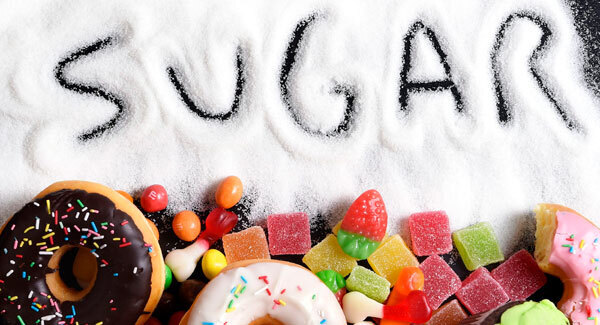
No-nonsense nutritionist Rob Hobson reveals how to keep it just sweet enough, writes Abi Jackson.

It’s important to allow space in our diets for the occasional sweet treat

THERE was a time when Saturdays meant a trip to the corner shop to spend your pocket money on as many sweets as you could fit into a pick ’n’ mix bag.

“It was also commonplace to have a well-stocked biscuit tin in the kitchen,” says Rob Hobson, author of The Detox Kitchen Bible.

“We’re now reaping the legacy of this, and of the food industry’s habit of slipping sugar into everything from soups to smoothies, in the epidemic of obesity, type 2 diabetes, heart disease and dementia.”

Highly refined sugars have a dramatic effect on blood glucose levels.

“In excess, these sugars are converted to blood fats called triglycerides, that may have a harmful effect on the liver and encourage the build-up of bad cholesterol, implicated in heart disease risk.”

In March last year, the World Health Organisation urged us to “reduce ‘free’ sugars added during food processing, preparation or cooking, and in honey, syrups and fruit juice.

Experts now agree we should aim for around six teaspoons of added sugars a day, but research suggests most of us consume around 12.

“Unfortunately, it’s not easy to tell how much you consume, as sugar masquerades under many different names.

"Fructose, for example, may appear on labels as itself or be concealed under the umbrella of sucrose, which is half fructose, half glucose,” explains Hobson.

But he believes in keeping our sugar consumption in perspective.

“A little is fine — and yes, soft drinks are a definite no-no — but worrying about yoghurts and the odd glass of fruit juice seems a bit over the top.

“There is also a sense of occasion with sweet foods that you just can’t get from any others. Can you imagine being served a slice of sugar-free birthday cake?”

Here are his seven top tips for reducing sugar the sensible way... 

1. Check the label: Ingredients are listed in order of amount, so the nearer the top, the higher the quantity. Look for foods with green and amber traffic light labels.

2. Seek out certain ingredients: Sucrose, glucose, fructose, or anything that ends in -ose, as well as healthier sounding alternatives, such as raw sugar, barley malt, maple syrup, coconut nectar, palm sugar, agave nectar, date sugar and brown rice syrup are among sugar’s many guises.

3. Take your time: If you’re a sugar addict, cut the amount you add to cereals, pancakes, tea or coffee by half. Once you’ve got used to the taste, halve the amount again.

4. Sweet food swaps: Try sweetening foods with fresh or dried fruit or go for ‘sweet food options’ that are fruit based. A slice of malt loaf has a quarter of the sugar content and twice the fibre of a chocolate cookie.

5. Include proteins and fats: A Mediterranean diet, with protein from fish, lean meat, cheese and yoghurt and healthy fats mainly from olive oil, nuts and seeds, will keep you more satisfied between meals, which in turn means you are less likely to reach for the biscuit tin.

6. Get spicy: Flavour foods that you would normally sweeten with sugar, with spices. Try ginger, allspice, nutmeg and cinnamon.

7. Don’t be a softie: Soft drinks are some of the biggest offenders in boosting sugar intake. But shop-bought smoothies, energy drinks, fruit juices, iced teas, coffees and flavoured waters can all be sugar-laden too.

More in this section

Cookie Policy Privacy Policy Brand Safety FAQ Help Contact Us Terms and Conditions

© Examiner Echo Group Limited













