Teaching children about nature is vital
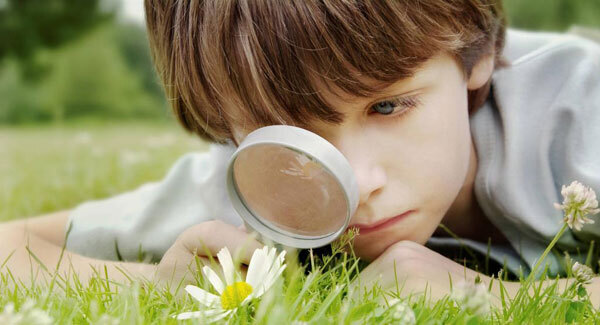
It's never too early to start encouraging children to be environmentally aware, says Helen O’Callaghan. 
Teaching children about nature is vital

“The message sticks the earlier they get it,” says Odile Le Bolloch, a scientist at the Environmental Protection Agency (EPA), which is calling on families and schools to encourage simple habits that support our environment in the long term.

With many schools participating in the Green Schools programme, children often come home and teach parents tips.


However, reinforcing the message at home is the ideal, says Le Bolloch, who urges parents to highlight appreciation of the environment.

“We hear about climate change, but it comes down to our local environment, where we live — the trees, grass, animals. These things are worth minding. Ask children how we can live a little kinder to this local environment,” she says.

She suggests helping them become litter conscious by drawing attention to littered areas and encouraging them to pick up litter where appropriate.

Le Bolloch recommends initiating conversations rather than lecturing.

Ask your child, for example, why it’s a good idea to replace lids on markers and art supplies like poster paints and glue. Or why it makes good environmental sense to save paper by using both sides of their notebook or copybook.

Explain that by turning off lights in any unoccupied room, or when there’s sufficient daylight, they’re saving energy and money which means there’s more money to do fun things.

Ask them how, as a family, you can reuse gift bags, ribbon, wrapping paper, cardboard, birthday or greeting cards you’ve received.

“Give experiences rather than items as gifts. Presents don’t always have to be stuff.

“A nice day out with friends is kinder to the environment”, says Le Bolloch, who advises involving children in cooking of meals and making of their own lunches.

“They’re more likely to eat a lunch they’ve been involved in making. And if they don’t eat their lunch and bring it home, have a chat about why they didn’t eat it,” she says.

It’s important that parents lead by example. Avoid food waste by planning shopping trips and not buying too much.

Encourage children to help with waste disposal in the home, so that they learn how and what they can recycle or compost.

www.livegreen.ie

www.irelands

www.environment.ie

Top tips

* Use compartment lunchboxes instead of foil, film or paper bags.

* If children avail of school milk programme, remind them to finish up milk, place empty carton back in lunchbox and bring home for recycling.

* Children often alternate from uniform to tracksuit during the week –— consider quickly sponging down to remove stains rather than washing every time.

* Save time, energy and fuel by carpooling with other parents.

x

More in this section

Cookie Policy Privacy Policy Brand Safety FAQ Help Contact Us Terms and Conditions

© Examiner Echo Group Limited







