Watch: Let’s not sugar coat our diabetes epidemic
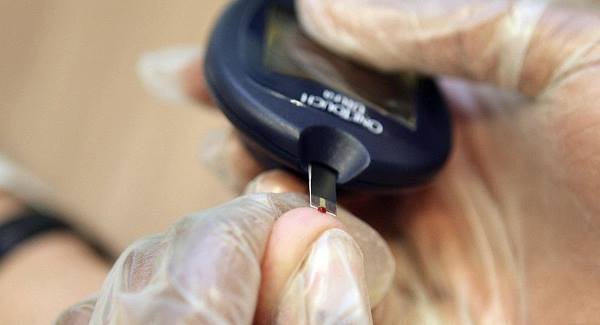
IT seems hard to escape from diabetes at the moment — TV documentaries, newspapers and radio shows are bombarding us with information regarding the rapid rise in the numbers diagnosed with this condition.
Watch: Let’s not sugar coat our diabetes epidemic

The International Diabetes Federation (2013) estimates that there are 207,490 adults with diabetes in Ireland (6.5% prevalence).

The good news is that we are getting better at treating patients with diabetes.

Newer treatments have become available and outcomes are improving.

It was recently shown that, for the first time in over five decades, diabetes has been replaced by inherited conditions as the most common cause of blindness in the 18 to 65-year-old age group.

That said, diabetes is still associated with reduced life expectancy and the cost of treatment is spiralling to the extent that it has been warned that the NHS inBritain may collapse within 10 years.

What is diabetes mellitus?

Diabetes mellitus is a chronic condition where the amount of glucose (sugar) in the blood is too high.

This happens when the body cannot use glucose properly due to a lack of insulin (e.g. type 1 diabetes) or when the insulin produced does not work properly (as happens in type 2 diabetes, which accounts for 90% of all diabetes).

Insulin is a hormone that acts like a key to open the doors of cells to let glucose in.

If glucose cannot get into the cells where it is needed for energy it builds up in the blood stream.

Over time, this excess glucose causes damage to blood vessels in the body.

Risk factors

It is important to be aware of the risk factors that pre-dispose to type 2 diabetes:

* Family history of diabetes

* Being overweight

* Lack of exercise

* Having had diabetes while pregnant or having a baby over 4.1Kg (10lbs)

* Having to take steroids

Prevention is a key component in reducing the prevalence of diabetes — a lifestyle of regular physical activity, weight control and healthy eating is important.

Signs and symptoms

The following are commonly associated with higher blood glucose levels prior to a diagnosis of diabetes:

* Fatigue

* Thirst / dry mouth

* Frequency of urination

* Frequent infections

* Recurrent genital irritation or thrush

* Blurred vision

* Unexplained weight loss

* Numbness, pain or tingling in hands or feet (often worse at night).

It is important to visit your GP if you are experiencing any of the above. Early diagnosis can improve quality of life and prevent complications such as kidney, foot, eye or cardiac problems.

Care of people with diabetes is integrated between GP practices and hospital-based diabetes clinics.

There are many health professionals involved in the care including GPs, diabetes nurse specialists, dietitians, podiatrists, ophthalmologists, pharmacists and consultant endocrinologists/ diabetologists.

While many people with type 2 diabetes are managed very effectively in the community by their GP, more complex cases are often referred to diabetes clinics in the hospital setting.

Case study

A recent referral managed in the Mater Private highlights the complexity of managing diabetes as the condition progresses.

In clinic we assessed a 64-year -old gentleman with a 25-year history of type 2 diabetes.

Initially, he had been treated with tablets for his diabetes but, as his pancreatic function declined, he required a once daily injection of insulin.

He had developed complications of diabetes, including rapidly deteriorating kidney function and foot problems compromising his mobility.

As the patient’s blood glucose level continued to be high he felt tired all the time, lacked energy, and had some blurred vision.

Fortunately, in recent years there have been many positive developments in the management of type 2 diabetes, including new oral medication (tablets) and different agents which can be given as an injection.

Our patient was commenced on a once weekly injection of a GLP-1 hormone agonist which is not insulin but is designed to help control your blood glucose levels. The device used for the injection is very simple to use and very convenient for the patient as it is once weekly.

Our patient feels significantly better after just a few weeks — he has reduced blood glucose levels, has more energy and has lost weight.

New developments

Many of the new therapies used in the treatment of type 2 diabetes have made a significant difference to patients. New oral medications have been developed.

Insulin and other devices are easier to use and more effective. Work continues on the development of new insulin-delivering devices and glucose sensors for type 1 diabetes.

The National Diabetic Retinal Screening Programme is a government- funded programme that offers free, regular screening for people with diabetes over 12 years of age.

While the diagnosis is often traumatic for the patient, appropriate education and management can maintain quality of life and reduce long-term complications.

n Articleco-written by Joan Fahy, haemovigilance and diabetes nurse practitioner, Dr James Ryan, consultant physician and endocrinologist, and Dr Sheila O’Sullivan, consultant physician.

www.materprivate.ie/cork

x

More in this section

Cookie Policy Privacy Policy Brand Safety FAQ Help Contact Us Terms and Conditions

© Examiner Echo Group Limited








