Dr Bernadette Carr answers your questions on ear infections and arthritis
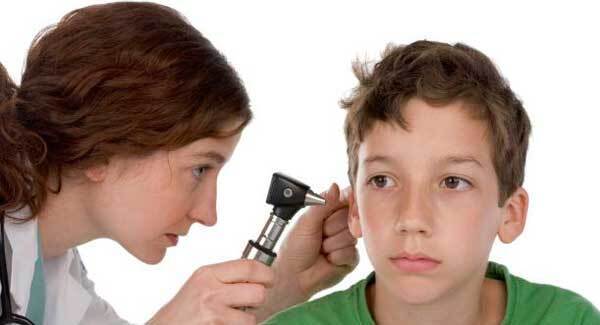
My son had a head cold recently and developed an ear infection.
His eardrum perforated, how long does this take to heal and will there be permanent damage to his hearing?
The ear drum is a thin membrane used to transmit sound in your ear; it separates the ear canal from the middle ear.
Infection in the ear can cause inflammation and perforation of the eardrum.
The initial ear infection may present with pain, fever and a red hot swollen eardrum.
In some cases the ear drum will perforate due to a build-up of pressure in the ear causing a discharge from the ear which may be clear or stained with blood or pus.
Ear infections are very common in young children and should become less frequent with age as the ear canal grows and develops and makes it less susceptible to infection.
In this case your GP may prescribe an antibiotic for the ear infection, simple pain relief such as paracetamol and ibuprofen will also help with discomfort and temperatures.
The perforated ear drum should heal within a couple of weeks but may take longer depending on the size of the perforation.
Most perforations will heal on their own however if the drum is not healing your GP may refer you to a specialist for repair surgery to patch the hole.
It is important to avoid getting the ear canal wet while the drum is healing, earplugs may be used while washing.
Also, do not put anything into the canal, including cotton buds.
To prevent excess pressure in the ear avoid blowing the nose hard while the drum is healing.
Many ear infections are mild, self- limiting illnesses and will often not require antibiotics; they can often be managed at home with paracetamol or ibuprofen for pain.
It is advisable to see your GP for an ear infection lasting longer than three days, any ear infection where there is discharge from the ear, ear infection in a very young child, or if your child is unwell.
I know that there are two types of arthritis — osteo and rheumatoid. Could you explain the difference between the two?
Arthritis means inflammation of the joints; osteoarthritis and rheumatoid arthritis are two different types of arthritis.
The symptoms of both include pain and stiffness in addition to swelling of the joints but the cause is different.
Osteoarthritis is the most common type of arthritis and it affects the cartilage which covers the ends of bones and the tissue surrounding the bones.
Our bones are constantly undergoing repair because of the wear they undergo every day and in some people a problem develops with this process due to either severe wear and tear or a problem with the repair process itself.
The condition develops gradually, people are often unaware of the its progress until they experience pain or restricted movement, factors which can contribute include:
* Age – it is more common in those over 50 years.
* Women are more likely to develop the condition.
* Family history – if someone in the family already has the condition.
* Obesity will contribute to osteoarthritis of the hip and knee.
* Previous injury to the bone (fracture) or ligament may contribute to the condition.
The treatment for osteoarthritis is painkillers, anti-inflammatories or steroids and physiotherapy.
Lifestyle changes such as losing weight, taking exercise and a healthy diet may help relieve the symptoms. Some people with severe osteoarthritis may need joint replacement surgery.
Rheumatoid arthritis is the second most common form of arthritis; it is also more common in women and develops usually between the ages of 40 and 70 years.
It is an autoimmune disease. Antibodies in the body’s immune system are there to attack bacteria.
With rheumatoid arthritis the antibodies attack the tissues in the body.
It affects the joints of the fingers, thumbs, wrists, shoulders, feet and ankles and symptoms develop over a number of weeks to months.
Treatment for rheumatoid arthritis is the same as for osteoarthritis, some people respond well to other prescribed anti- rheumatic medications which are not used to treat osteoarthritis.
Early diagnosis and treatment is important as the symptoms can be subtle and slow to develop. I would advise anyone who experiences pain, stiffness or swelling of their joints to visit their GP.
CONNECT WITH US TODAY



Be the first to know the latest news and updates

















