Natural health: Probiotics and your digestion system
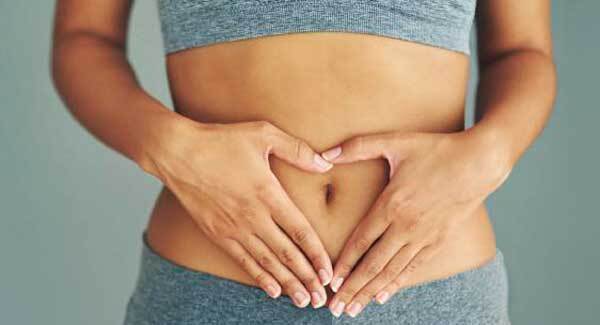
I take probiotics from time to time, but have never really noticed much difference from them. Are there any types that are better than others, or are they just not for everybody?
Probiotics can generate dramatic changes in people who are experiencing a combination of health issues.
They will also improve your health if you are generally a well person with no complaints to speak of, but the positive changes are likely to be more subtle.
And yes, the type and brand of probiotic you choose does make a difference — not all probiotics are delivering as they should.
So, who is going to get the most benefit from probiotics?
First on the list has to be individuals who suffer from digestive issues, particularly IBS (irritable bowel syndrome) sufferers.
With IBS the symptoms tend to alternate between constipation and diarrhoea, along with bloating, headaches, nausea, ever-changing food intolerances, skin issues, gut pain, and poor nutrient absorption.
IBS occurs in twice as many women as men, with stress exacerbating the condition.
It makes sense that repopulating the beneficial gut bacteria is a bit of a game changer for anyone dealing with IBS — probiotics help with digestion, nutrient absorption, and they also indirectly help reduce stress levels and improve immune function.
Taking a probiotic supplement on a regular basis will not only help with your digestion, it will also benefit you alongside lifestyle changes to manage your stress levels more effectively — such as gentle exercise, dietary changes, and meditation.
Gut health and immune health are also linked — when our gut health is below par, our immune system is weakened and we are more prone to coughs, colds, ‘flu, and repeated infections.
However, this can also present as constant low energy or fatigue, allergies and intolerances, or wounds that take longer to heal than usual.
Leaky gut is a great example of how gut health impacts the immune system, and is becoming a more widely recognised issue.
Essentially, harmful bacteria stick to the gut wall when they are left to multiply unchecked due to low levels of beneficial bacteria, and this leads to damage in the gut wall where the tiny holes that only allow specific nutrients to pass through become large enough to allow larger particles through — including partially digested food.
This triggers the immune system into action, attacking the invading food particles, which in turn leads to food intolerances and in some cases severe allergies.
This means your immune system is effectively too busy attacking food particles to deal with bacterial, viral, fungal, and yeast infections.
Candida albicans is naturally found in the upper bowel and does no harm until it multiplies out of control, and then it can cause havoc in almost every part of the body.
The reason why it gets out of hand is due to digestion or immunity being compromised.
If candida is an issue, you need to address it through dietary changes so as not to feed the candida (avoid fungus foods, fermented foods, sugary foods, fatty foods, and processed foods in general).
You can gradually add mushrooms and fermented foods back into your diet once you have been completely clear of candida for a while and your gut health is restored, but the other food items are best left out!
People with acne typically notice a significant improvement on probiotics, they are useful in supporting the body when you are prescribed a course of antibiotics, and they are a wonderful remedy to have on hand if you are travelling and happen to eat or drink something that is contaminated or simply disagrees with you.
Probiotic brands that really deliver include Dr Ohira’s O-MX (the best that I have come across, but they can be difficult to source and very expensive), Bio-Kult, Dr Udo’s, BioCare, Seven Seas, and Solgar.
If you are dealing specifically with yeast and candida issues I recommend Three-Lac, Five-Lac, or Syntol.














