Dr Bernadette Carr answers your questions on keeping up Zumba while pregnant
I’ve just found out that I am having my first child – I’m over 12 weeks pregnant at this stage and all is well following my check-up.
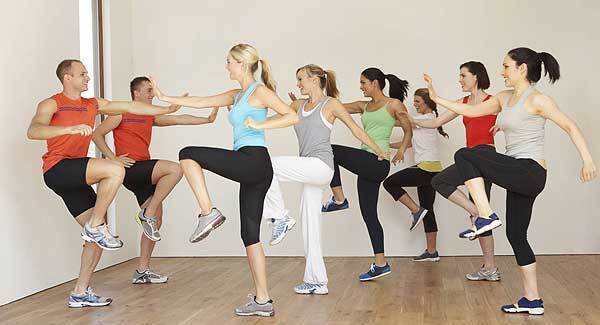
I enjoy keeping fit through Zumba dance and wonder if I continue with it for now?
Keeping active during pregnancy is a good idea and in most cases you should be able to maintain your usual exercise routine for as long as you feel you are happy to (avoiding contact sports or dangerous sport where there is a risk of falling).
It is always very important to seek and follow the guidance of your own obstetric team about what is best for you and your baby regarding exercise throughout the course of your pregnancy and to inform your sports instructor that you are pregnant.
Maintaining good levels of fitness during pregnancy by keeping active will help to ensure you are as fit as possible and will also make it easier to return to your pre-pregnancy levels of fitness.
Current recommendations for exercise during pregnancy are for 30 minutes of activity daily.
It is recommended to exercise to a level where you can still hold a conversation during your workout, but not to become breathless.
It may become more difficult to engage fully with exercise as your pregnancy moves on and some exercises may be particularly difficult and should be avoided such as those that involve lying flat on your back as this may cause fainting from the weight of the bump pressing on the blood vessels in your abdomen.
It may be necessary to avoid jumping or twisting suddenly during the Zumba class especially in the later stages of your pregnancy.
Letting your gym instructor know you are pregnant will allow them to suggest exercises which are suitable or make suggestions for substitutions. While you are exercising you should always keep well hydrated by drinking water throughout the class.
Make sure to warm up and cool down appropriately at the start and end of the workout to allow your heart rate to come back to normal and to stretch muscles to prevent them becoming stiff.
My eight-year-old son doesn’t like oily fish, which I know contains omega-3. Why is omega-3 important, and can he get it from other foods, or should he take a supplement?”
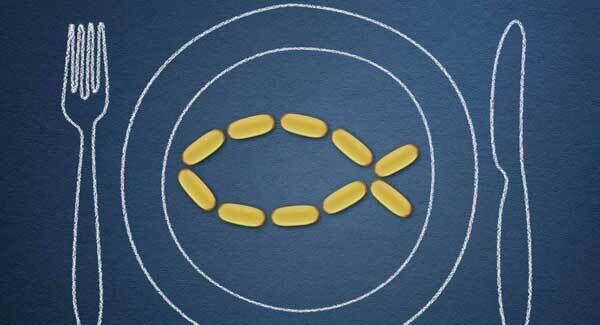
Omega-3 is an essential fatty acid which is shown to be involved in the growth of new cells and in heart and brain health and normal functioning as well as healthy skin.
There is some suggestion that omega-3 may help in depression and attention deficit hyperactivity disorder, however, this is not conclusive.
Nevertheless omega-3 is a very popular supplement.
These essential fatty acids have been shown to be associated with lower cholesterol levels so reduce the risk of heart disease.
They cannot be made by the body so are taken in through the diet. There are three types of omega-3: DHA, ALA and EPA.
Oily fish such as salmon, trout, sardines or mackerel is one good source of omega-3 as well as fish oils (EPA and DHA), however, it is also found in other foods and in flaxseed oil (which contains ALA).
Many kids do not like fish and flaxseed oil can be a particularly useful way of boosting levels in your child’s diet by adding a teaspoon to smoothies or soups.
Similarly, sprinkling flaxseeds on to breakfast cereal or added to muffins or bread can also be a good way of adding omega-3 to the diet.
Some eggs, juices and milk as well as dairy products are fortified with omega-3 which will be advertised on the packaging.
Walnuts and leafy green vegetables can also be good sources of omega-3 in the diet (however nuts are not suitable for very young children due to the risk of choking).
Supplementation with capsules or additives is not generally necessary for children, however, there are many supplements designed for children which contain omega-3 and can be taken in addition to a well-balanced diet.

CONNECT WITH US TODAY



Be the first to know the latest news and updates

















