Natural health with Megan Sheppard
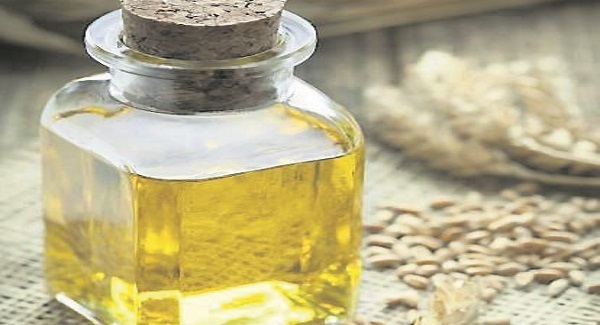
I have a large glass bottle of wheatgerm oil that was given to me by a friend, and I am at a loss as to what I should use it for. I know that it is a healthy oil, but can you please give me some ideas as to what it is good for and how to use it?
Natural health with Megan Sheppard

Wheatgerm oil is a great nutritional remedy to have in the house. It is high in polyunsaturated fatty acids, which makes it useful in maintaining health at a cellular level. One of the principle factors to consider with wheatgerm oil is the significant vitamin E content.

Vitamin E is often considered to be vital for fertility, and adequate levels of this nutrient have been shown to help prevent premature birth and miscarriage. Wheatgerm oil seems to have an affinity with the female reproductive system, because it is also helpful in treating menopausal issues, menstrual irregularities, pre-menstrual difficulties, and low libido.

It works by nourishing the organs, thus improving their function, rather than working as a quick-fix solution.

This is not just a remedy for women — taken together with the herb saw palmetto (serenoa repens), wheatgerm oil can help to treat an enlarged prostate. Wheatgerm oil is a wonderful heart tonic. It benefits the circulatory system, working to improve myocardial disorders, constricted vessels, and degenerative heart conditions. In addition, it is often used as a part of natural cancer support.

It is important to note that wheatgerm oil is tolerated very well by people who suffer from liver and gallbladder disorders. This is a useful supplemental oil to balance weight, whether you want to add extra weight, or lose a few kilos.

The typical dosage is a tablespoon (15ml), three times daily. It has quite a strong flavour, so you might like to chase it with some freshly pressed juice or even a half teaspoon of pure virgin coconut oil (this seems to work well when you need to cancel out the strong taste of any oily remedy). Some people prefer to drizzle the oil over muesli or add it to a smoothie — I personally find this a little over-powering, but each to their own.

Once you feel that you have improved the particular condition, or conditions, you are addressing with wheatgerm oil, you can reduce to a maintenance dosage of 1 teaspoon (5ml), three times daily, phasing it out altogether over a month by reducing the dose by half each week.

Do you know of any natural ways to keep cats free from fleas? My cat will not tolerate being bathed, sprayed, or powdered, and she seems to react to conventional flea medications with her fur falling out and the skin becoming irritated where it comes into contact with the treatment.

At the most basic level, if your feline friend is happy to be groomed, then the simplest and most user-friendly remedy for her is a flea comb. These are fine-toothed enough to catch adult fleas and their faeces. Simply dip the comb with any fleas or dirt into a bowl of hot water with a few drops of detergent added to it.

If grooming isn’t going to work for your cat, then you can also make your own natural version of a flea collar. You will need a soft collar, some plain spirits (vodka works well), garlic oil capsules, and hydrosols/herbal waters.

Combine two teaspoons (10ml) of alcohol with a tablespoon (15ml) each of rosemary, lemon verbena, lavender, and pennyroyal hydrosols, and squeeze the oil from four garlic capsules. Once you have mixed the ingredients, soak the collar in the liquid until it has been absorbed. Leave the collar in a warm place to dry before putting it on your cat.

This treatment should last for about a month before you need to repeat the process.

The reason for using hydrosols, or herbal waters, rather than essential oils is because they are less likely to cause a sensitivity reaction, plus they will be better metabolised by your pet and as a result more effective at preventing flea infestation.

x

More in this section

Cookie Policy Privacy Policy Brand Safety FAQ Help Contact Us Terms and Conditions

© Examiner Echo Group Limited










