Excessive sweating: ’Don’t suffer in silence’
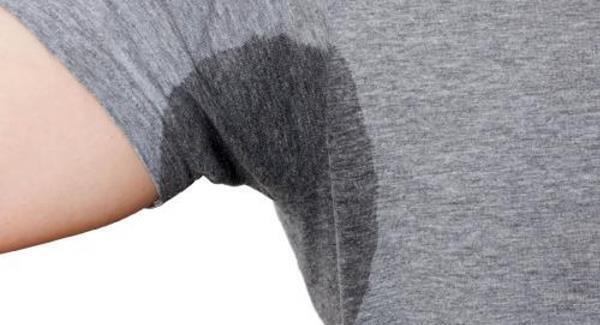
WHILE damp underarms and dripping brows can be embarrassing and uncomfortable, for some people, excessive perspiration can be a problem all year round, and the medical term for this is hyperhidrosis.

Excessive sweating: ’Don’t suffer in silence’

Normally, we can sweat up to one litre a day, but for excessive sweaters, the body’s cooling mechanism goes into overdrive and can produce as much as four or five times what is needed to regulate temperature.

Armpits are the prime suspects, but the soles of the feet, face and palms are also areas with a high concentration of sweat glands, causing wet patches on clothes, clammy hands and smelly feet.

Hyperhidrosis affects around one in every 100 men and women and normally starts between the ages of 14-25 years. It can run in families, with a third of sufferers having a family member with the condition.

Dr Auldric Ratajczak says: “Primary hyperhidrosis is the name given to regular excess sweating for more than six months, that doesn’t have a clear underlying cause.”

Quality of life: Embarrassing Bodies’ Dr Pixie McKenna has seen her fair share of people with hyperhidrosis, but she says many sit at home and suffer in silence.

“The fear and embarrassment of being ‘discovered’ can often be very stressful and cause sufferers to adopt corrective behaviours,” she says. “Everyday life can be severely impacted, with avoidance of wearing certain types of clothing, the need to apply antiperspirant several times a day, repeated washing, and also the worry about whether wetness or odour is obvious to others.”

She adds that sweating can shape people’s days, as they’re conscious of it the moment they wake up, particularly during summer.

“On first dates, special occasions or even standing up to give a presentation, perspiration can prove the most nerve-racking component of any activity.” It can impact on sufferers’ confidence in relationships too, and even lead to depression.

“I have seen patients who have become increasingly anxious because of their symptoms, which only make matters worse, often resulting in even more sweating. Some sufferers become so self-conscious that they experience a downward spiral and become clinically depressed.”

Seeking support: “Don’t suffer in silence,” advises Dr McKenna. “Stop focusing on banishing smells and start focusing on banishing sweat, with a high-strength antiperspirant containing aluminium chloride. Opt for something that is long-lasting and promises to protect you for hours, and ensure it’s not only effective in terms of banishing sweat but that it is also skin kind.” (She recommends trying Perspirex Plus.)

Dr Ratajczak adds: “Reduce stimulants such as caffeine, tobacco and alcohol and wear loose-fitting clothes in natural fibres. Losing weight reduces the amount of sweat too, only if you are overweight to begin with.”

Seeing your GP might be advisable too — especially if you are experiencing other symptoms as well.

“If you feel unwell and have most of your sweating episodes at night, try to speak to your GP early on,” says Dr Ratajczak.

In some cases, drugs, such as betablockers (if appropriate) may be beneficial, and Botox can also be an effective temporary measure. Surgery can sometimes be used to treat very severe excessive sweating too.

More in this section

Cookie Policy Privacy Policy Brand Safety FAQ Help Contact Us Terms and Conditions

© Examiner Echo Group Limited













