How to tackle spots as an adult
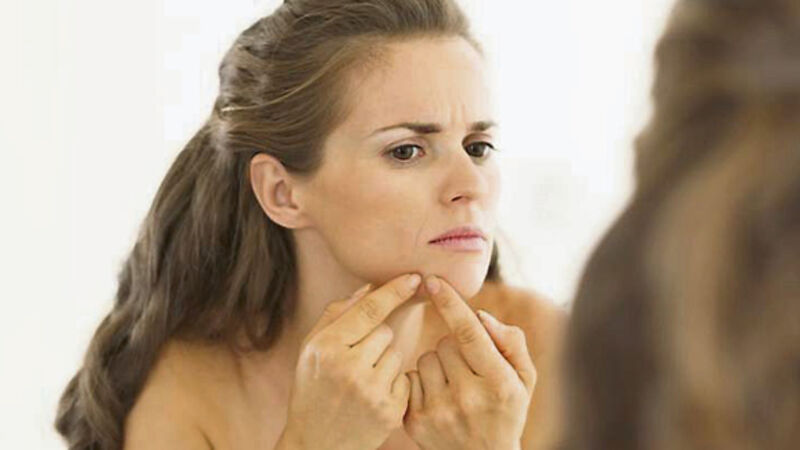
Although the common perception of someone with acne is that of a teenager, it is possible to develop acne as an adult. Acne develops when the small sebaceous glands in the skin, which make the oil sebum, produce more oil and these glands get blocked. Some may be inflamed and bleed.
For most people acne is mild, however sometimes it can be quite bad and may need treatment to prevent scarring. This is a common presenting problem in primary care. I suggest you make an appointment with your GP so that a diagnosis can be made and any underlying medical condition ruled out.
In the meantime there are a number of simple options that you can try:
* Wash your face gently twice a day with a mild soap (not a facial scrub) and lukewarm water.
* Avoid picking or squeezing spots as this can make them more inflamed and more likely to scar.
* Avoid using oil-based creams/products on the face (including make-up) as they may clog the pores. You could check the ingredients list on any products, including facial sun blocks.
* If you have long hair or a fringe, wash it regularly so that it does not get greasy and keep it off your face throughout the day.
* Ointments containing benzoyl peroxide are available from the pharmacy and your pharmacist can advise you. They can be quite effective for mild acne, however they may irritate the skin. If this happens stop using it until the irritation goes, then try using it for a shorter time before washing off.
I am sure your GP will be able to advise on the most appropriate treatment.
Anti-inflammatories and painkillers both treat pain but do so in different ways. There are a large number of painkillers available under various brand names, which can be divided into three categories:
* Paracetamol, acetaminophen.
* Opioids or opiates (for example, codeine).
* Non-steroidal anti-inflammatory (NSAIDS).
Paracetamol is thought to block some of the enzymes in the brain and spinal cord. It will treat pain but will not reduce inflammation. It is also an antipyretic (reduces fever).
Opioids decrease the way you feel about pain by binding receptors in the brain, spinal cord and gut. Some mild opiates can be bought over the counter, an example is codeine. However these are for short term use unless advised otherwise by your GP.
NSAIDS treat pain and inflammation so there is no need to take a painkiller as well unless advised by your GP.
They are used for soft-tissue injuries in the short term and in the long term for arthritic conditions and chronic neck and back pain. There are a number of different painkillers available without prescription and it is a good idea to seek advice from the pharmacist as to the most appropriate.
The general advice for taking painkillers is that you take the lowest dose that will effectively control pain for the shortest period of time. It is important to read the information leaflet that comes with any drug before you take it. If you have not taken a particular drug previously, you need to be aware of any potential side-effects.
The type of painkiller prescribed will depend on the type and severity of your pain, your medical history and any possible interaction with medicines you are already taking.
CONNECT WITH US TODAY



Be the first to know the latest news and updates