Natural health with Megan Sheppard
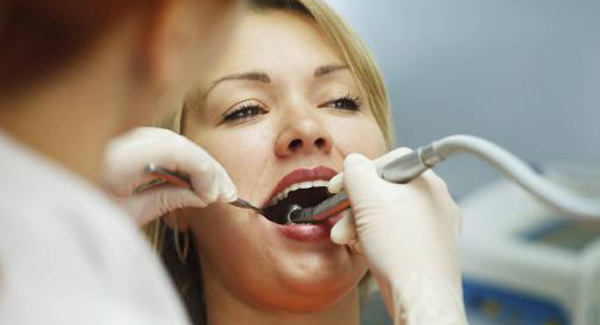
I have done plenty of reading and it is suggested that vitamin C, charcoal, and antioxidant supplements are all useful. Is there a specific timeline of events that I should be following before having this treatment done?
It sounds as if you have already done some good research around mercury removal. Hopefully your dentist will have discussed the procedure and outlined a suitable protocol before and after the amalgam removal.
At the very least, he or she will need to use a rubber dam to prevent the accidental ingestion of amalgam debris, which may also be coupled with a special nosepiece so that you are not breathing in any mercury vapour.
Jack Levenson, founder of the British Society for Mercury-Free Dentistry, recommends using vitamin C, charcoal tablets, and selenium along with a healthy nutrition plan. Levenson authored a book with Dr Robert Hempleman called, The Menace in Your Mouth, which you might like to read.
A typical protocol for amalgam removal is to take around 2-3g (2,000-3,000mg) of charcoal tablets for two days leading up to the procedure, and continue to do so for a week after the removal.
You will want to take a similar dosage of vitamin C for at least two weeks before the treatment, stopping two days before if your dentist plans to use any local anaesthetic (vitamin C can prevent this from working properly), and then continue taking 1-3g daily for at least a fortnight afterwards. The recommended dosage of selenium is 200 micrograms daily.
Amalgam fillings contain anywhere between 50%-75% mercury (depending on when they were done — today around 52% is the norm), combined with copper, tin, silver, and zinc. Mercury is the second most toxic metal known to humankind, however, the argument is whether significant quantities are leached from amalgams into our systems.
Researchers have found that amalgams in the mouths of monkeys led to an accumulation of mercury in the jaw, colon, large intestine, and kidneys after 30 days.
Whitening products (treatments, toothpastes, and gums) have been shown to increase the rate at which mercury vapour is released from amalgam fillings by a factor of five.
Symptoms such as fatigue, headaches, allergies, concentration and memory problems, depression, sinusitis, unexplained gastrointestinal disturbance, excessively bleeding gums, and sleep disorders are among those linked with mercury-based fillings.
Impetigo is an infectious skin disorder caused by Staphylococcus or Streptococcus bacteria, and can be triggered by sunburn or an insect bite. It is more common in children and once the painful sores take hold, they can be difficult to shift.
Active manuka honey from the NZ native Leptospermum scoparium shrub is a great choice for any staph or strep infection.
For larger scabs and areas of impetigo where a bandage is practical, apply active manuka honey to the affected area and cover with a gauze bandage. Change this dressing at least once daily. You can also use manuka essential oil on smaller and more inaccessible spots.
The fact that your infection is lingering means your immune system could use some support. Sambucol have created a specific product for strengthening the immune system, made using black elderberry (Sambucus nigra), called Immuno Forte. Suitable for children aged four and over.
Comvita’s ManukaCare 18+ cream is 100% active manuka honey at 18+ UMF (Unique Manuka Factor). It is available from health stores, where 60g costs €17.65.
Immuno Forte costs €9.99 for 120ml, also from health stores. If you can’t find manuka oil locally, it is available from www.livingnature.com , where 10ml costs around €15 plus p&p.















