Journey into the west failed to break the torment for Ted Hughes
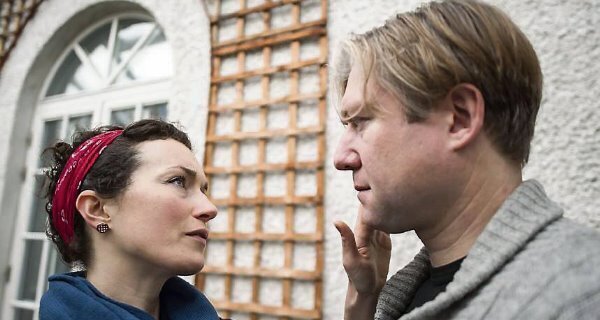
ANN Henning Jocelyn has written a play about an intriguing chapter in the life of Ted Hughes.
In the spring of 1966, the late Poet Laureate lived with his lover Assia Wevill in Cashel, Connemara, in a cottage that lends itself to the title of her play, Doonreagan. The pair fled London to get some respite from the gossip that poisoned their relationship. Hughesâs wife, Sylvia Plath, had killed herself in 1963; a year after heâd started an affair with Wevill.
âIn England, Hughes had come under so much pressure after Sylviaâs death, and Assia as well,â says Henning Jocelyn, a Swede who moved to London in the early 1970s to be with her then boyfriend, the late Noel Redding of the Jimi Hendrix Experience. âShe was blamed for the breakup of the marriage. They were both blamed for Sylviaâs suicide. They had become very unpopular socially and publicly. The American feminists made Ted their bĂȘte noire, and blamed him completely for Sylviaâs demise.
âAlso, Tedâs parents had taken against Assia so they couldnât even have an open relationship. They had to meet in secret while they were in England. They both had this dream about disappearing somewhere where they could live life on their own terms like a normal family.â
They enjoyed a brief idyll in Co Galway â Hughesâs writing flowered; it was there he began his verse cycle Crow; Wevillâs troubled soul found some peace, and their young children got a chance to âlive a normal lifeâ, too, including Freida, Hughesâs daughter with Sylvia Plath, who attended a local school. The fate, however, of Wevill haunts proceedings. She killed herself in 1969 along with her four-year-old daughter, Shura, by the same means as Plath â asphyxiation from a gas stove.
Henning Jocelyn discovered the story by chance. She moved to Doonreagan House in 1982 to complete a book, fell in love with the place and never left.
Her husband, Robert Jocelyn (the Earl of Roden), has owned the house since the late 1960s. It was only in 2005 when a pair of Wevillâs biographers made a pilgrimage to Doonreagan for research that she was made aware that Hughes and Wevill had lived there in 1966.
She consulted several of Hughesâs friends for background information, including the painter Barrie Cooke, and the poets Richard Murphy and Seamus Heaney. Heaney remembered Wevillâs dark allure.
âThey saw quite a lot of each other at the time,â says Henning Jocelyn. âHe told me how she used to dance for them and how sensual and beautiful she was and how impressed they all were by her.â
The unconventional family only stayed in the cottage â which Freida recalled as âthe pretty white house on the hillââ for three months, as the house was then sold.
In the play, there is a pervading sense of what might have been. The inner darkness experienced by Hughes â who is played by Daniel Simpson, reprising his role in the 2013 London premiere â is rationalised as an inherited âlack of faith in the goodness of lifeâ and seems bearable.
Perhaps it might have taken more than the Atlantic winds, though, to blow away the torment that bedevilled Wevill, with newcomer Tara Breathnach in the role.
Tragedy was mapped out for Wevill, says Henning Jocelyn.
âWhat moved me most was to see how vulnerable Assia was. I could understand why she had ended up the way she did. She was brought up very pampered in Berlin. Then, because her father was Jewish, they had to flee the Nazis. The only place they felt they could be safe was Israel. And in Israel they werenât accepted because her mother was German. They were pariah in Berlin. They were pariah in Israel. And she just dreamt of coming somewhere she could build an identity of her own, that had nothing to do with her background, but of course that kind of re-invention has its own insecurities.â
- Doonreagan is at Station House, Clifden, Wednesday; Taibhdhearc na Gaillimhe, Galway, ThursdayâSaturday; Samuel Beckett Theatre, Trinity, Dublin, Jan 28â31. annhenningjocelyn.com














