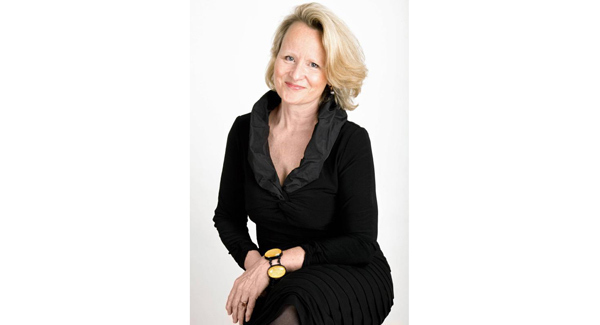
Writer Ann Dowsett Johnston advises others on alcohol use
<B>Abi Jackson </b>says we are in denial about our excessive drinking.

Writer Ann Dowsett Johnston advises others on alcohol use

MANY people pour themselves a glass of wine to unwind after a stressful day. But that doesn’t mean they have a problem, right? Possibly not, but the habit could develop into a problem.

Canadian journalist, Ann Dowsett Johnston, 61, has written extensively about alcohol. She speaks at conferences, advising on alcohol-related policy, using her own story as a starting point.

Dowsett Johnston does the same with her book, Drink: The Deadly Relationship Between Women And Alcohol, which has been described by the Washington Post as “a wallop of a book”.

Part memoir and part discussion, the book combines research on alcohol with women’s stories of addiction. Much like a stiff scotch, it hits you from the very first taste.

It’s beautifully written. Its impact is in Dowsett Johnston’s honesty, the emotional rawness of her confessions as she recounts her alcoholic mother, the sadness of a father who also became reliant on drink, her own realisation that she too had become alcoholic, despite — or, perhaps because of — having a successful career, and the subsequent challenge of AA meetings and the adaptation to life as a non-drinker.

But, also, it’s interesting because it forces us to look at our society’s dependence on alcohol, which we deny.

“We live in an ‘alcogenic’ culture... we have absorbed fully the notion that if you want to celebrate, relax, reward or entertain, alcohol will be involved,” she says.

This is contributing to our denial of the impact of our drinking.

“What we have not truly absorbed is the link with breast cancer, for instance.

And women are catching up with men [in terms of alcohol consumption], but, classically, men have always been higher alcohol consumers...

You’re seeing-end stage liver disease in women in their 20s, full-blown alcoholism for women in their teens — this is a huge news story.”

And there is a disparity between the sexes in ability to absorb alcohol.

Science tells us that metabolic and biological differences may make women more susceptible to associated health damage, and women also tend to become addicted more quickly.

Dowsett Johnston says we need far more focus on the high-functioning female drinker.

“In many ways, I am the poster girl for what is an increasingly common female pattern; professional, highly-educated, high- functioning ... We’re dealing with a really interesting and scary emerging trend, and the richer the country the narrower the gap between men and women.”

She believes self-awareness is important. “I was pushing on the accelerator pedal in my career for far too long, as a single mother [her son is now 30] ... It was easier for me to have a drink than go to see my doctor and say I am dealing with a deep depression”.

Now in her seventh year of sobriety, Dowsett Johnston is proud of her achievement, and aware that the rewards have been worth it.

But recognising those warning signals, and knowing your personal limits and how to take care of yourself, are key — and that’s what Dowsett Johnston hopes her book will help people to do.

More in this section

Cookie Policy Privacy Policy Brand Safety FAQ Help Contact Us Terms and Conditions

© Examiner Echo Group Limited













