CELEB FRAGRANCES: Thrown off the scent
ELIZABETH Arden, the New York beauty giant, has blamed its celebrity fragrances for its biggest quarterly decline in a decade. The cosmetics brand said it had expected a drop in sales — it had fewer fragrances in 2014 — but “the decline in sales of celebrity fragrances, particularly the Justin Bieber and Taylor Swift fragrances, was steeper than anticipated”.
Elizabeth Arden relies more heavily on sales of fragrances than do rivals like Estée Lauder. Fragrances — including celebrity and fashion licensers and its own brands — constitute 75% of the company’s sales.
The dramatic 28.4% drop has prompted speculation that we are turning our noses up at celebrity fragrances.
Unfortunately for perfume purists, market figures indicate otherwise. Celebrity perfumes generated €22.5bn in 2013. Global Industry Analysts forecast that the perfume market will worth be $45.6bn (€34.5bn) by 2018, with “youth-oriented and celebrity perfumes setting the pace for rapid market expansion”.
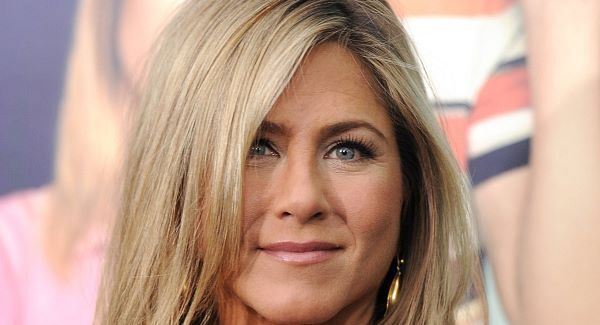
Elizabeth Arden has celebrity partners in Nicki Minaj, Britney Spears, Mariah Carey, and Jennifer Aniston. The weaker brands in Elizabeth Arden’s celebrity portfolio overshadowed its success with Our Moment, by One Direction, The Perfume Shop’s fastest-selling fragrance in 2013 and the Consumer Choice category winner at the 2014 Fragrance Foundation Awards (the industry’s Oscars).
Celebrity scents are more affordable than designer bouquets and have the gimmicky packaging (free trinkets, cute bottles) that attracts trend-savvy teens. As stars’ salaries and album sales decrease, ancillary revenue from fragrance deals becomes more important.
For the beauty company, stars offer instant name-recognition, sex appeal and — for Elizabeth Arden — a young audience not tempted by their anti-ageing skincare and conservative cosmetics. Celebrities are part of the 24-hour news cycle and click-bait for teen web users. They come with devoted fan bases apt to buy the perfume regardless of how it smells.
In exchange for up to 12% royalties and an initial lump sum, stars need only pose at retail events, talk a scent up, and utilise their well-subscribed social network accounts to build anticipation for the launch. When Rihanna launched her Re’l Fluer perfume in 2011, for example, she uploaded a one-minute video that informed her (then) 4.5m Twitter followers and 30m Facebook fans. The stakes are far higher for backers, who bankroll the development, packaging, retail negotiations and advertising of every eau.
Beyond the number of competing celebrity scents, the fickleness of pop stardom poses a risk for fragrance companies. Record-breaking sales of Justin Bieber’s Someday perfume and his 2013 Consumer Choice Award from the Fragrance Foundation narrowly predate his bad-boy reinvention/meltdown.
Taylor Swift won the foundation’s 2013 Celebrity Fragrance of the Year Award and is still golden.
However, she has been less of an entertainment-news headliner over the last year or so, while touring with her 2012 album, Red. Her suspiciously well-timed romantic dramas have also been out of the gossip pages for some time, prior to this month’s album launch.
Another risk factor for firms like Elizabeth Arden is the lack of loyalty engendered by youth-oriented scents. While a young woman might wear Chanel No.5 into her dotage, celebrity fragrances have limited appeal. To compensate, brands buttress successful launches with new, attention-maintaining “sisters” within an ever-shortening time frame.
Jennifer Lopez has created 18 successors to her Glow, launched with Coty in 2002. Beyoncé has collaborated on six fragrances in three years with the same brand. Market research firm Euromonitor says that while teens still like celebrity perfumes, current economic pressures mean few have disposable income to spend on multiple discretionary items.
Another response to this preoccupation with the new is a reduced focus on development. The quality of the product inevitably suffers. Reviewing new celebrity scents in The Hollywood Reporter last year, perfumer Roja Dove noted that most were bland at best.
“Clever black colour, wonderfully designed bottle, but the scent is nondescript,” the expert “nose” said of Lady Gaga’s Fame. “I’d ask, ‘Lady, where has your gaga gone’?”
Celebrity perfume developers must long for a hit like White Diamonds, still the best-selling celebrity fragrance of all time, three years after the death of Elizabeth Taylor. This classic scent was developed by Elizabeth Arden to hold its own in any perfume category and launched in 1991, when such star-dusted luxuries were novel. Taylor scents still do well because they work as stand-alone products, with the memory of lovely Liz a delightful association.















