Susan Griffin on the dangers of hidden sugar
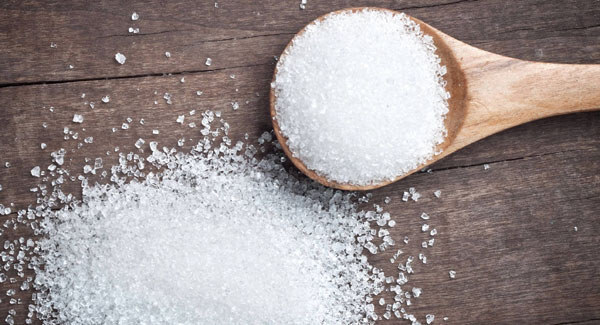
SUGAR is increasingly being blamed as one of the key culprits in our obesity epidemic, but it’s not just the frosty coating on a doughnut, or the number of teaspoons of the white stuff you add to your cups of tea that’s the problem (after all, the occasional treat is allowed!).

Susan Griffin on the dangers of hidden sugar

No, the biggest problem is hidden sugar, the – sometimes vast – quantities that’s been heaped into seemingly ’non-treat’ foods and drinks to add flavour and sweetness.

Because despite efforts to label foods more clearly, it’s still not always possible to know (unless you’ve done a lot of homework beforehand) what’s sugar-laden and what’s not.

Thanks to the recent scary news reports, we now know that a single can of fizzy drink contains seven to nine teaspoonfuls of sugar – but it’s not simply a case of cutting out the obvious suspects like these drinks, or chocolate and cakes from your diet. There’s a whole heap of hidden nasties lurking in our food these days.

“We are hooked on sugar, which has been added to our food to improve taste. Most people are wise to the products that contain high sugar levels, however, they may not be aware just how much they are consuming,” says nutritionist Zoe Frith.

“The biggest surprise for consumers is the hidden sugars in savoury products which can be unexpectedly high, such as canned goods, ready meals and sauces. We have got used to these sweetness levels in our food and, as such, are in a viscous circle – a sweet-tooth nation which would notice the difference if sugar levels were lowered.”

Experts recommend that around 5% (down from 10%) of people’s daily energy can come from free sugars (those added to food or contained in fruit juices, honey, syrups and sweetened drinks). That would amount to 25 grams of sugar for women and 35 grams, or seven to eight teaspoonfuls, for men.

If you want to keep to this, it’s crucial you know exactly what sugar really goes into what. Some of the worst culprits you need to be wary of include:

Yeo Valley O% Fat Vanilla Yoghurt contains the equivalent of five teaspoons of sugar and the Muller Crunch Corner Strawberry Shortcake Yoghurt fares even worse with six teaspoons.

When time is of the essence, most of us will pop into a coffee shop for a quick pick-me-up but without realising what sugar high we’re setting ourselves up for. The Starbucks Caramel Frappuccino with whipped cream (and skimmed milk) contains the equivalent of 11 teaspoons of sugar.

We might already associate quick and easy ready meals with dubious amounts of salt, but sugar is hiding in there too. For instance, Sharwood’s Sweet And Sour Chicken With Rice contains the equivalent of six teaspoons of sugar (the same as Cadbury’s Hot Drinking Chocolate); Heinz Classic Tomato Soup has four; Ragu Tomato And Basil Pasta Sauce comes in at three and Pot Noodle Curry King Pot two.

n Many low-fat foods contain extra sugar to improve taste and to add bulk and texture in the place of fat.

n Alternatives to cow’s milk, such as soy, rice and almond milk, are gaining popularity but watch out, the flavored varieties are often sweetened with sugar.

Still think sugar is sweet? No, it all leaves rather a bitter taste.

More in this section

Cookie Policy Privacy Policy Brand Safety FAQ Help Contact Us Terms and Conditions

© Examiner Echo Group Limited













