Putting motherhood on hold can be risky
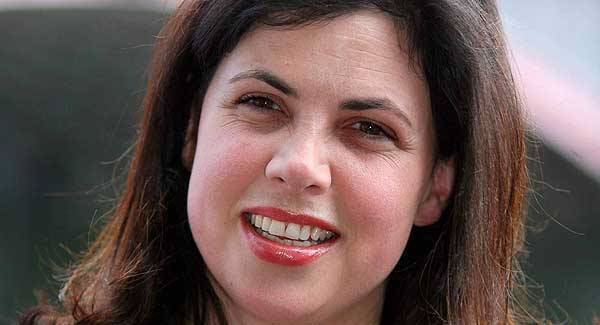
The TV presenter (basically) thinks that all women should have babies by the time they’re 27. Her reasons for this rest on the ‘fact’ that “fertility falls off a cliff when you’re 35”.
We ask two experts about this, and other commonly held beliefs on fertility...
Age matters: When it comes to making babies, age is more than just a number.
“Women are born with a certain number of eggs and thus with every period, eggs are ’used’ up. Those born with fewer eggs are more likely to have difficulties conceiving post-35,” says Helen Ford, a nutritionist for fertility expert Dr Marilyn Glenville.
“The other issue is quality which declines with age.”
“Assisted fertility cannot compensate for lost years of fertility and IVF success rates in older women are extremely low,” says fertility nurse specialist Jane Knight. “It is the decline in egg quality which affects the outcome of IVF, not the age of the uterus, and egg donation remains the only option for many older women.”
Bad diet affects all aspects of health, so inevitably, it affects conceiving too.
“A diet high in saturated fat from red meat, and low essential fat from oily fish and nuts and seeds, can impact conception as they are vital for hormone balance and softening the ’shell’ (zona pellucida), allowing fertilisation to occur more easily,” says Ford. Experts also advise cutting down on drinks containing caffeine and eating regular, balanced meals.
“Unhealthy body fat — either too low or too high — can create hormone imbalance and even stop a menstrual cycle,” Ford emphasises.
“Keeping fit and watching your weight, or more importantly, body fat, is important 1/8although this doesn’t apply to everyone3/8.
Every woman has different patterns to their periods, but there are some patterns more prone to conception struggles.
“Hormone imbalance like heavy bleeding or endometriosis can impact fertility, as there tends to be a dominance of one hormone which creates an unhealthy environment,” explains Ford.
Knight confirms that although male fertility is “less affected” by age, it does take “significantly longer” for an older man to impregnate his partner — “male fertility problems account for, or contribute to, 50% of delays in conceiving”.

CONNECT WITH US TODAY



Be the first to know the latest news and updates









