Get regular eye checkups to prevent vision loss
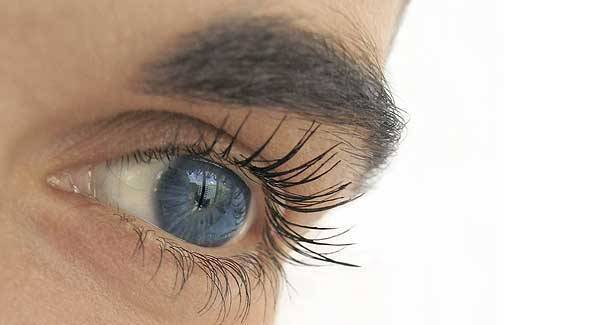
But 53% of 40-75-year-olds have not had a check-up for up to five years, according to a recent report.
“Some eye diseases give warning signs that we can detect in our vision, but several treatable diseases, like glaucoma, have no symptoms in the early stages,” says Nigel Davies, consultant ophthalmologist. “Taking simple steps, like having an annual eye check and reporting any persistent vision problems to your optician or GP, can help identify significant problems early.”
Regular checks are crucial if you have a family history of eye diseases or have diabetes.
Top tips to keep your eyes sharp:
Staring at computer screens can lead to sore, strained eyes and headaches, and dry-eye syndrome. “There are five times as many nerve endings on the front of the eye as there are in our fingertips, so dry eyes can be horribly painful and unpleasant,” says Davies.
“It can be caused by an auto-immune disease, called Sjogren’s syndrome, but the most common cause is related to oil gland problems on the margin of the eyelid. Plus, when we concentrate, we don’t blink enough and our eyes can become dry. This can happen with prolonged PC use, so take a break for at least five minutes every hour or so. Sometimes people need to use a lubricant eye drop, which can be bought over-the-counter.”
Nutrition is important to eye health. “To help maintain good eye health and protect against AMD, it’s important to eat a balanced diet, which includes antioxidant-rich fruit and veg,” says nutritionist Robert Hobson. “Lutein, zeaxanthin, beta-carotene and zinc are all related to good eye health. Try eating plenty of green and orange veggies, like kale, Brussels sprouts, avocado, spinach, carrots, mangos and sweet potatoes. Increase zinc intake by eating foods like eggs, shellfish, pumpkin seeds and mushrooms.
“Studies also show that people who eat oily fish have a lower risk of developing cataracts and reduced chance of AMD. These include trout, salmon, tuna and sardines, but if you really don’t like the taste of fish, you could consider an omega 3 supplement.”
Sunglasses protect your eyes from sun damage. Look for sunglasses with a CE mark (European standards).
If you wear contacts, follow cleaning instructions religiously; infections can rapidly turn nasty. Always remove them before sleep.
No matter how small the job, wear protective goggles.














