Steps to help clear your baby’s nappy rash
I am using lots of barrier cream but it seems to be making little difference. What else should I do?
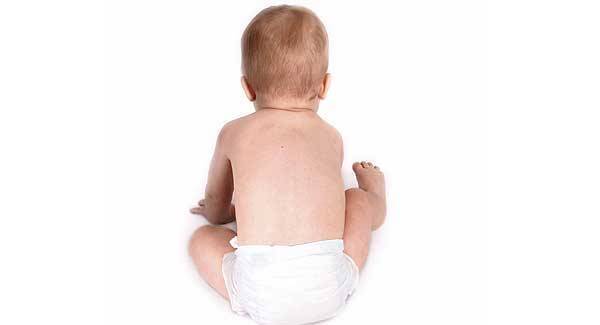
>>Nappy rash is a very common condition and can be a cause of distress for both babies and their parents. Most babies will suffer from it at some point and most nappy rashes are either mild or moderate. It is an inflammation that is often caused by a reaction of the skin to moisture, either urine or poo. In some babies nappy rash can worsen when they are teething.
To prevent and to help clear your baby’s nappy rash there are a number of steps you can take:
* Try to leave the nappy off for some time each day to let fresh air get to the skin.
* Change the nappy often so that his skin is not left in contact with a wet or soiled nappy for any length of time.
* Wash your baby’s bottom with warm water only as soap may irritate the skin. After washing ensure that you dry your baby’s bottom thoroughly before you put on a new nappy.
* Avoid using tight fitting plastic or rubber pants over a nappy as they retain moisture and may make the rash worse.
* Use disposable nappy liners.
There are over-the-counter barrier creams or ointments which you can buy from your pharmacy and these may help in protecting the skin from moisture — your pharmacist can advise you.
If the rash becomes worse or your baby is getting distressed, then you need to see your GP urgently.
>>This must have been very uncomfortable for your son and I am glad to hear he is over it. The sinuses are small air-filled spaces inside the cheeks (maxillary sinus), the bridge of the nose (ethmoid sinus) and the forehead (frontal sinus). They make small amounts of mucus which drains into the nose through small channels. The most common cause of a sinus infection is a viral infection such as a cold (as in your son’s case) or flu. The sinuses become inflamed and depending on which sinus is involved, cause facial pain or a headache.
There are other causes of sinus infections and these include: nAn allergy such as allergic rhinitis.
* Nasal polyps, these cause a blockage in the sinuses which prevents them from draining properly.
* Asthma.
* Previous injuries to the cheeks or nose.
* Following tooth extraction or tooth abscess.
In the majority of cases, sinusitis will clear on its own. Paracetamol and ibuprofen will help to bring down temperature and relieve a headache; ibuprofen is not recommended for anyone suffers from asthma and who is allergic to ibuprofen.
Decongestants may help to clear a blocked nose — your pharmacist can advise you on the most appropriate.
Avoiding a cold will help reduce the chances of getting sinusitis. Here are some suggestions: n Wash hands regularly, particularly after touching your mouth and nose. Encourage everyone in the house to do the same.
* Avoid sharing cups, glasses or cutlery.
* Cover your nose and mouth when you sneeze or cough by using a tissue. Dispose of the tissue immediately.
If your son gets another infection or you are in concerned in any way then make an appointment with his GP.
If your son is due for a dental check-up in the near future you should mention this to the dentist, who can check if your son has a dental infection.


CONNECT WITH US TODAY



Be the first to know the latest news and updates