Husbands elbow pain may be medial epicondylitis (golfer’s elbow)
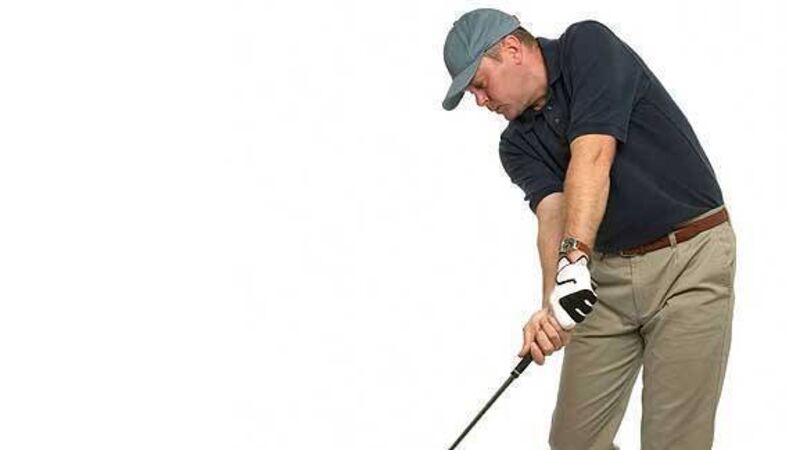
He plays golf regularly but doesn’t recall hitting it against anything. Should he have an x-ray?
>> There can be many causes of elbow pain, but the most common is from an injury. Other causes are tennis or golfer’s elbow, a build up of fluid over the elbow joint (bursitis), a trapped nerve or repetitive strain injury (RSI).
As your husband is a golfer it is possible that the cause of the pain is medial epicondylitis (golfer’s elbow). This is an inflammation of the flexor muscle in the forearm from repetitive movements and is the most common cause of medial elbow pain. The pain can last from several weeks to several months. I would advise your husband to make an appointment with his GP, who will examine him and rule out any underlying condition.
While waiting for an appointment here are some general suggestions he can try:
n Hold an ice pack over his elbow for 15-20 minutes three or four times a day.
n Raising his arm may help to ease the pain — he could try resting it on a cushion or using a brace or a strap and this will minimise movement of the joint. n He should not play golf until the condition settles.
n Rest the arm.
n Take paracetamol or ibuprofen (if not allergic) for the pain, this will help to reduce the inflammation of the flexor muscle.
His GP can reassure him and advise on the most appropriate management.
Once your husband gets the all-clear to resume golf, it might be useful for your husband to book a golf clinic with the professional in the golf club to check that he has not developed any bad habits.
She is doing her Junior Cert this year. I wonder if she is rundown, should I get her a tonic? Also, is it possible to avoid cold sores?
They usually resolve without any treatment but this can take seven to 10 days.
Cold sores begin with an itch or tingling, this can last from several hours or up to a day. They appear as groups of small blisters on the lip and around the mouth and are caused by the herpes simplex virus (HSV) and the incubation period is one to 26 days. Once you have had a cold sore, the virus settles into a nearby nerve sheath and stays there for the rest of your life. Mostly, the virus is inactive and causes no symptoms. When it becomes active, it can lead to cold sore blisters around the mouth.
Antiviral creams are available and these may help to reduce the severity of the symptoms if they are applied when the itch or tingling begins.
It is not possible to completely prevent sores but here are some suggestions to prevent the sores spreading. Make sure your daughter does not touch the cold sores — except when applying antiviral creams and wash hands thoroughly with soap and water afterwards.
n It is important to ensure your daughter avoids kissing non-affected relatives such as you and the rest of the family.
n Avoid sharing cups or lip balms.
nIf using antiviral cream, dab it rather than rub it on to the sore to prevent damage to the blisters or causing more pain.
n Use sun creams if you notice your daughter gets a bad attack in sunlight as exposure to sunshine is a factor for cold sore re-occurrence.
When our bodies are placed under stress or our immune system is low, the likelihood of a cold sore flare-up is more likely to occur. If your daughter is worried about her exams this might be a reason for her developing cold sores. I would suggest you talk to your daughter about school and her exams. Also, make an appointment with her GP who can advise her how to manage any future outbreaks.