Fat chance: Study shows obese children more disease prone
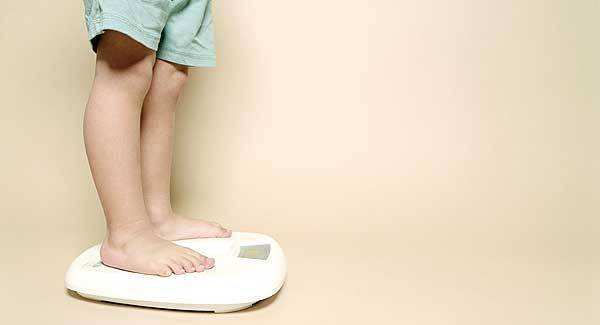
NEW findings from the National Children’s Research Centre show that obese children lose key cells in their immune system — and that disease development is underway at age six.
One of the most important immune cells — the invariant, natural killer T cell — is much reduced in number, and much less effective at its job, in obese children.
Senior paediatrician, Dr Declan Cody, says the invariant, natural killer T cell is a sensor and manager of inflammation.
“When deficient or defective, [it] has been linked to cardiovascular disease and cancer — to see it already disappearing in children who are obese is really worrying for their future risk.”
The study included 49 children aged six to 16 years. Their bodies are ‘switching on’ two types of genes known to be implicated in type 2 diabetes and heart disease in adults.
Head of the National Children’s Research Centre, Professor Carlos Blanco, says the findings are “disturbing but fascinating” — disturbing because children’s futures are being changed young; and fascinating because the research may predict which children are at risk of adult disease.
Professor Blanco says that while obesity is reversible, maintenance of a child’s correct weight requires a commitment to changing habits. “The development of technology has made them more sedentary. They don’t go out and play as they did in former generations. They communicate through passive means and, while doing this, they’re likely to be eating chips and having fizzy drinks.”
One in four children in Ireland has excess weight. Safefood’s chief specialist in nutrition, Dr Marian Faughnan, says it’s a public health issue. “We live in an obesegenic environment. It’s so easy to over-eat — we have easy access to highly palatable, energy-dense foods.”
Safefood’s Childhood Obesity Campaign, run with Healthy Ireland, provides advice. “Parents want to nourish their children, so they don’t realise there’s anything the matter with giving primary school children the same size portions as they’d eat themselves,” says Dr Marian Faughnan, who points to another mistake made by parents — the notions that cordials are healthy.
They’re full of sugar. “We teach our children skills, such as how to cross the road. We need to do the same around eating the right foods and getting enough exercise.”
¦ Allow kids to stop eating when they say they’re full.
¦ Drink plenty of water between meals.
¦ Offer non-food treats.
¦ If having sugary foods, eat them with a meal — it’s better for their teeth and they won’t fill up between meals.


CONNECT WITH US TODAY



Be the first to know the latest news and updates









