Gout is a very painful condition`
Sufferers are often stereotyped and their affliction — often an extremely sore and swollen big toe — mocked. But, with people living longer than ever, gout is on the rise, and it’s not just older people who are affected. It is, in fact, the most common type of inflammatory arthritis, affecting 1.4% of adults, and for anybody who’s experienced it, it’s widely recognised as one of the most excruciating forms of joint pain. So what exactly is gout, what causes it and who gets it?
With acute gout, you get a sudden attack of what looks like arthritis, normally affecting just one joint. Often it’s the big toe, but it could be an ankle, a wrist or an elbow. The joint quickly becomes swollen, red and extremely tender. Acute attacks will normally settle after a few days, returning to normal after a week to 10 days.Chronic gout may occur more gradually, and might look like osteoarthritis, but only affecting one joint.
Uric acid — a compound produced by the body’s own cells when breaking down food — is the key component in gout. Uric acid is usually flushed out of the body but if excess levels build up in the blood, sodium urate crystals can form, particularly in the joint cartilage, which can trigger gout.
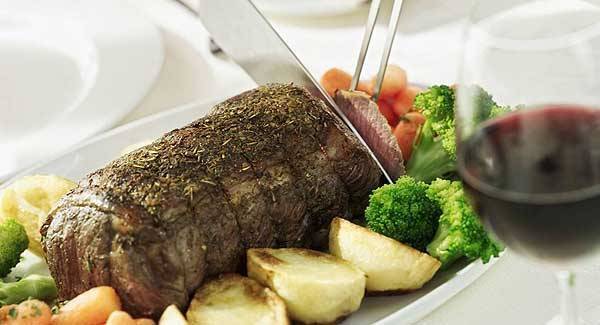
The link with diet and over-indulging has come about because foods like red meat, especially liver and kidneys, and some seafood and shellfish, as well as beer, have high quantities of purine — which is responsible for uric acid production in the body.
But it’s not the whole story. Some populations are genetically very highly pre-disposed, for example in some of Polynesian islands. Gout can also appear as a side-effect of some drugs and other diseases, like kidney disease and some cancers.
Women do get gout, but it’s far more common in men, though it’s not clear why. In terms of people presenting to their GP with gout, it’s about four times as many men than women. The gap narrows as you get older.
For an acute attack, the first step is to take anti-inflammatories to ease the symptoms. Ice-packs can also help, and steroids might be prescribed.
Sufferers may need longer-term medication. The drug allopurinol is prescribed to reduce uric acid and helps to stop you having attacks.
¦ www.arthritisireland.ie
CONNECT WITH US TODAY



Be the first to know the latest news and updates