Abnormal sounds in your head
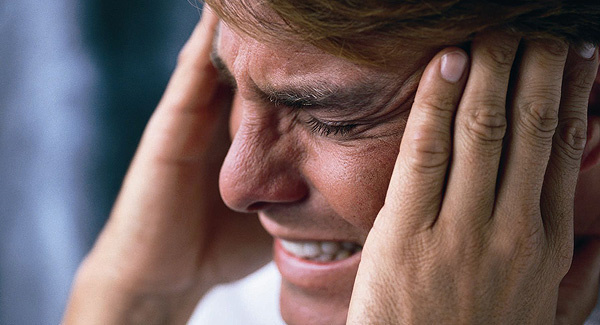
I notice this more at night time when I am going to sleep and I wonder if I have tinnitus or some type of ear infection.
Although most people describe the sound they hear as ‘ringing’, people can experience different sounds — buzzing, hissing or whistling — the sounds can be in one or both ears, constant or some of the time. It is usually caused by ‘feedback’ from within the ear itself, and the noise can be more noticeable when everything is quiet, such as in bed at night when there is no background noise to distract you. Less commonly it can arise from an actual noise such as blood flowing.
Everyone generates this type of ‘feedback’ noise in their ears, however, in some circumstances it can become much more pronounced, and for some people it can be a very distressing and debilitating problem.
There are many causes of tinnitus and these include:
*A build up of wax in the outer ear.
* Fluid in the middle ear such as after a head cold or ear infection.
* Certain middle ear conditions. nInjury to the head or eardrum.
* Damage to the inner ear such as after exposure to loud noise.
* A side effect of some medicines including certain antibiotics and aspirin.
* Tinnitus can be a feature of conditions outside the ear, including anaemia, high blood pressure and over active thyroid.
* Damage, pressure or injury to the nerves of hearing system.
As you are experiencing these sounds regularly, visit your GP who will examine your ears, and advise on the most appropriate management plan for you.
Recent blood tests show that I need to up my iron intake, but are there any particular foods that will provide more iron than others. Alternatively, should I look at taking an iron supplements?
You should make an appointment to discuss the tests and to ask for advice on any treatment required.
Anaemia is caused by a shortage of haemoglobin in the blood. Haemoglobin transports oxygen around the body and every day millions of red cells are produced in the bone marrow and released into the blood stream. In order to keep up the supply of red cells and haemoglobin the body needs to have enough iron. The commonest reasons for not having enough iron are because you are losing blood (especially women who have heavy periods) or because there is a shortage of iron in your diet, though there are many other possible causes.
Before you visit your GP it might be useful to complete a diet diary and bring this to your appointment. A well balanced diet should contain all the necessary iron that your body needs, however, if your iron levels are very low it is sometimes helpful to take supplements — your GP will be able to advise you if they are necessary.
In the meantime, here are some general suggestions on iron-rich foods to include in your diet: n Meat: particularly red meat, but there is iron in all meat e.g. chicken and pork and oily fish such as mackerel, salmon and tuna.
* Dark green leafy vegetables such as broccoli, spinach and cabbage
* Breakfast cereals fortified with iron n Beans and pulses n Wholegrain bread n Include eggs in your diet.
* Try to limit your intake of tea and coffee as they can make it harder for your body to absorb iron.


CONNECT WITH US TODAY



Be the first to know the latest news and updates









