Natural Health: Cholesterol
My last reading was 6.3 with an LDL of 4. I go to the gym three times a week, or walk twice a week. I am reluctant to go on conventional medication. is there an alternative?
At a reading of 6.3mmol/L, you are higher than the recommended total cholesterol level of 5.2mmol/L (200mg/dL). The good news is that this is still at a point where dietary and lifestyle tweaks can get great results in bringing your cholesterol back to a healthy level.
Niacin (vitamin B3) is my first suggestion as far as supplementation goes, since this vitamin has been shown in a number of double-blind placebo-controlled studies to increase HDL (’good’ cholesterol) by 30% or more, decrease total cholesterol by 10%-25%, and reduce triglycerides by a whopping 50%.
Flushing is a common side-effect of this supplement, since niacin causes the blood vessels to dilate. While the flush will typically pass in about 20 minutes, it is preferable to take a ‘non-flushing’ form of niacin known as inositol hexanicotinate. Studies have shown this form to be safer than niacin, and also as effective.
You will need to take 2g-3g (2000mg-3000mg) each day, beginning with 500mg daily for the first week, and increasing this amount by 500mg each week until you are taking between 2g-3g (between four and six weeks), then continue at that strength until your cholesterol measures within the healthy range.
Since niacin can cause fluctuation in blood sugar levels, it is not recommended for people with type 2 diabetes. It is important you take niacin/vitamin B3 with food, and avoid coffee since it will cancel out the benefits of this supplement. Solgar’s No-Flush Niacin costs €20.26 for 50 x 500mg vegicaps from health stores.
As well as working to reduce LDL (low-density lipoprotein) cholesterol, it is equally important to increase your levels of HDL (high-density lipoprotein) cholesterol, since this works by cleaning the blood vessel walls and removing excess LDL cholesterol so it can be processed in the liver. Cholesterol-regulating foods include turmeric, freshly squeezed orange juice, oily fish, onions, garlic, fermented soy products, lecithin, olive oil, seeds, nuts (except peanuts), and berries.
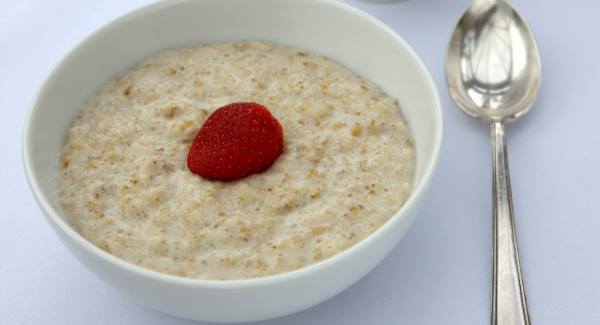
You should avoid organ meats, trans fatty acids, and refined carbohydrates. Oats and oatbran contain soluble fibre, which binds bile and dietary cholesterol for excretion by the body. For beneficial effects eat 1.5 cups daily. Soluble fibre is also found in kidney beans, Brussels sprouts, apples, pears, psyllium, barley and prunes. A tablespoon of psyllium husks in a large glass of water twice daily can reduce LDL cholesterol by up to 20%.
The exercise that you are doing will definitely help, so carry on.
I suffer from constipation and have heard magnesium can help. Where can I buy it and what dosage should I take?
The supplement that you want is either magnesium oxide, or magnesium citrate. Both will clean out your colon without the griping pains experienced from many other laxative formulations.
Ideally you will want magnesium oxide or citrate in a powdered or liquid form for best results. You can usually find these products at a pharmacy. Remember — this is not intended as a regular preventative, rather an occasional solution when your bowels are sluggish or ‘backed up’. It is likely you will need to look at dietary factors, including soluble fibre intake and possible intolerances, to address the long-term issue. Unfortunately, I am unable to advise on specific dosage, since each product varies in strength according to how it is prepared. Follow the directions on the label, or ask the pharmacist if you have any questions or concerns.














