Natural Health: Varicose veins
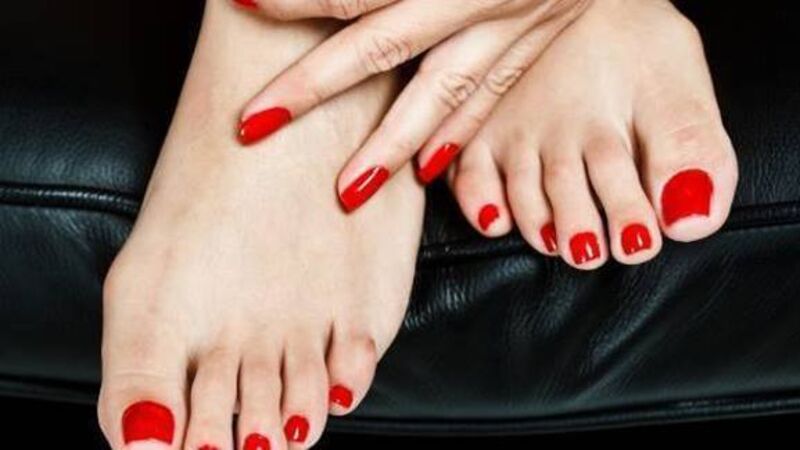
Q. I suffer from varicose veins in my legs. They can be painful and look awful.

Natural Health: Varicose veins

Is surgery the only option?

A. Varicose veins are common on the legs and feet, since we spend so much time standing or sitting. They can appear anywhere on the body, and can cause great discomfort, though some people are only bothered by their appearance.


There are two main systems of veins: deep veins, which transport 90% of the blood; and surface veins. Deep veins have a protective muscular surrounding, while surface veins are visible beneath the skin.

Surface veins are the root of most issues since the walls are easily weakened and damaged. Varicosity is a result of the valves between the two vein systems not functioning, which enlarges and swells the superficial vein system.

Avoid standing or sitting in one place for too long.

Raise your feet when sitting, using a footstool or pillows.

Crossing your legs or feet compresses the veins and reduces blood flow, so avoid these. Other factors that contribute to varicose veins include smoking, stress, sedentary lifestyles, and excess weight.

My favourite herbal remedies for varicose veins (and haemorrhoids) are horse chestnut and butcher’s broom.

Horse chestnut restores tone and elasticity to the vein systems. Butcher’s broom reduces inflammation, strengthens the circulatory system, and helps with the pain. Witch hazel is another astringent herb, often used topically to assist with the reduction of varicose veins and haemorrhoids, and is available as a liquid extract from pharmacies and health stores.

You can use the horse chestnut and butcher’s broom internally and externally, for best results. Simply drink the combination as a herbal tea (a decent pinch of cayenne super charges this brew), and brew some as a stronger decoction to apply externally.

You can even add the herbs to a sitz bath. You should be able to access these herbs through a local health store or herbalist.

Q. My husband often gets fungal infections in his toenails. He has tried preparations from the chemist, which clear it for a while, but it comes back. Do you know of any treatment that clears this infection permanently?

A. Fungal infections are difficult to clear out of your system. Toenail infections seem to be very stubborn.

This is an indication of the immune system functioning well below par — when it works efficiently it should prevent the fungal infection from taking hold.

As well as using a topical remedy, such as tea tree, manuka honey, or Melissa (lemon balm) essential oils, to help clear the fungal infection from his toes, your husband will also need to work on his internal health.

Specifically, his thymus gland needs support. The thymus is where the T-lymphocytes (T-cells) are produced; these are the cells responsible for fighting fungal infection.

Sea vegetables are a useful addition to the diet, since they contain significant amounts of available iodine.

If he is not keen on the taste of seaweeds, then nascent iodine is a wonderful supplement. He will need to take 5-10 drops, three to four times a day on an empty stomach.

In my experience, most men prefer one-a-day doses of any remedy, so remind him that frequent, small doses are far more effective than larger amounts taken less often.

More in this section

Cookie Policy Privacy Policy Brand Safety FAQ Help Contact Us Terms and Conditions

© Examiner Echo Group Limited