Natural Health: Coffee conundrum
Is there any scientific research behind this diet, and does it actually work?
This diet, outlined in Peter J D’Adamo’s book Eat Right 4 Your Type, was popular about 16 years ago with a number of celebrities of the time, (including Elizabeth Hurley), following and endorsing the method of eating and avoiding specific foods based on whether your blood group is A, B, AB, or O.
As far as scientific research goes, this has been the main point of criticism about the Blood Type diet right from the beginning. There is little scientific evidence to support D’Adamo’s theory. Nutritionists and scientists alike have dismissed the diet plan.
As well as outlining which foods to eat and avoid, D’Adamo gives characteristics for each blood type, outlines recommendations on exercise and lists potential disease ‘weaknesses’. Type O blood group is considered to be ‘The Hunter’; Type A is ‘The Cultivator’; Type B is ‘The Nomad’, and Type AB is listed as ‘The Enigma’.
Each type is given a list of foods which are considered to be most beneficial, neutral, or ‘poison’ for their specific blood group. This is the part that has nutritionists concerned, due to the potential for vitamin and mineral deficiencies when whole food groups are cut out, and many valuable fruits and vegetables avoided.
I believe the restricted eating plan, as opposed to the link between blood types and certain foods, is the factor behind the weight loss results. When you cut out entire food groups, and are limiting your diet to a relatively small list of ‘acceptable’ foods, you will lose weight simply because you are reducing your dietary options significantly. Add to this the prescribed exercise for each blood type, and you will begin to tone up as well.
Is coffee good or bad for your health? One week the newspapers say it is good, the next it is bad. Do I need to switch to tea instead?
This is possibly the number one see-saw topic in the health world, and has been for many years. Caffeine is the main component in question when it comes to the coffee debate. With this in mind, I shouldn’t bother switching to regular tea since it also contains this stimulant.
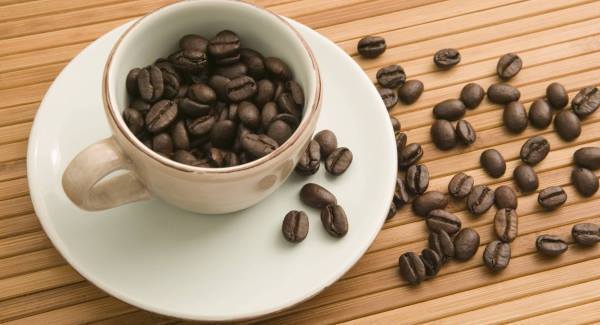
The first place to look when assessing the health status of your morning beverage is the additional extras. Freshly brewed coffee (not instant or de-caffeinated) from organic beans can improve your mood, increase your alertness and short-term memory, improve your output at work, and help you to burn fat. Of course, the moment that you add milk, sugar, artificial sweeteners, cream etc. you begin to block these benefits.
On the downside, caffeine can damage your arteries when taken first thing in the morning on an empty stomach. Another risk of drinking coffee on an empty stomach is the triggering of abnormal heart rhythms, limiting blood flow to the brain, and causing the shakes and feelings of anxiety. There is also a risk of osteoporosis. Drinking eight or more cups a day can negatively impact your memory function. Nine or more caffeinated drinks daily is thought to increase your risk for certain types of cancer.
On the upside, sports scientists have found that taking 1-2 cups of coffee daily contributed positively to muscle activity due to the mobilisation of calcium.
In short, choose real coffee, and drink no more than one to two cups daily — black or espresso. Always drink your coffee after food, and you should reap the benefits while minimising any risks.








