The French connection
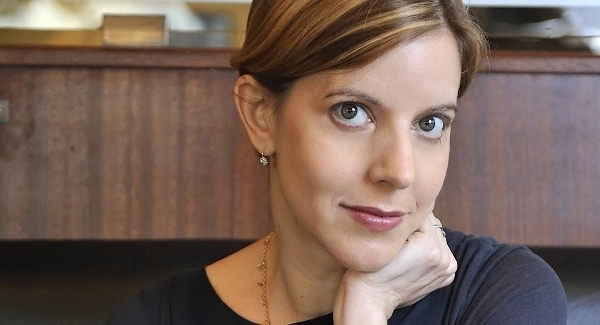
But such behaviour is not the norm, insists author Pamela Druckerman. After bringing up three young children in the country, she firmly believes that the French style of parenting is more pleasurable and easier than the Irish way.
She says the more relaxed Gallic style of child-rearing achieves the results many Irish parents struggle for — and she wants to share her knowledge of their methods with parents this side of the Channel.
American Druckerman moved to Paris after meeting her English husband, who works in France, and they now have three children — twin boys aged four, and a seven-year-old girl, all born in France.
She first wrote about her experiences of French parenting in the best-selling book French Children Don’t Throw Food (Black Swan), which proved so popular that she’s now condensed its advice into 100 key tips in the new guide French Parents Don’t Give In.
She says: “Of course there are French children who are picky eaters, or who took 18 months to sleep through the night, but that’s not the norm.”
She points out that Irish and American parents tend to ’micromanage’ their children, and seem to believe parents should dedicate themselves completely to the child, sometimes sacrificing both their wellbeing and relationship as a result.
“But the French believe you have to find a balance between what’s good for the parents and what’s good for the child,” says Druckerman. “If everything’s continuously set around the child, it’s considered out of balance by the French, and not good for the parents or the child.”
Highlighting this more laissez-faire parenting style, one of Druckerman’s tips is not to over-stimulate children, and another is that extra-curricular activities are for pleasure, not competitive advantage.
“The French idea is, yes your children need stimulation, so read to them, show them things, play with them — but not all the time. The goal is balance,” she says.
She addresses all the common parental concerns about eating, discipline and sleeping, pointing out, for example, that it’s usual for French parents to say their baby sleeps through the night at three or four months of age, never because they’re left to cry, but because they use sleep teaching, a gradual process that follows the baby’s cues.
French parents will probably pause for a few minutes before going to baby when he/she cries, just in case they manage to fall asleep again themselves.
Druckerman says she tries to get her kids to eat like the French, and her tips are aimed at encouraging children to eat a variety of foods at meal times, and not to eat between meals.
Examples of French food tactics are for children to at least taste every food on the table, and for parents to serve smaller portions, not to pressurise a child to clear their plate, and serve more if the child asks for seconds.
“They instil very good eating habits — when kids sit at the table, they’re hungry and that makes an enormous difference,” says Druckerman. “They serve vegetables first — if the first thing a hungry child sees is some carrots or broccoli, he’s much more likely to eat it, and things at the table are more likely to be pleasant instead of confrontational.
“They present food as something pleasurable, as an experience or a journey you’re going on together.”
It sounds ideal to prevent the battles that erupt between many parents and children at mealtimes. However, Druckerman warns such strategies won’t be successful overnight. A gradual introduction is key, she says.
“The French idea is that if something doesn’t work the first time, you don’t switch to a whole new theory. You have to have a quiet confidence in yourself and the principle and give it time to take hold and become a habit.”
As for authority, Druckerman explains that the French say you’re not disciplining your child, you’re educating them. Bearing in mind that many bad reactions, such as food throwing, are part of a learning curve may make it easier for parents to deal with feeling angry and disrespected, she says.
“It’s a gradual process, and if there’s some spilled milk on the way, that’s just part of it, but you keep your eye on the long-term goal to instil certain habits,” she explains.
Druckerman says she’s been told by parents from both sides of the Atlantic that the French methods feel like a return to common sense.
While she’s undoubtedly impressed with the French way of raising children, is there anything she thinks the French could learn from the Irish?
“Yes — I think they could cheer up a bit,” she laughs. “France is a famously pessimistic place.”
She’s convinced that adopting at least some of the French parenting methods could benefit many Irish families, and stresses: “You don’t have to become a French person to adopt these common-sense habits.
“Learning from the French parenting style isn’t something that’s going to make parenting simple suddenly — but it’s something that should make life a little bit easier.”
* French Parents Don’t Give In is published by Doubleday.

CONNECT WITH US TODAY



Be the first to know the latest news and updates

















