A 400-year-old horror story of full-on pulp but little insight
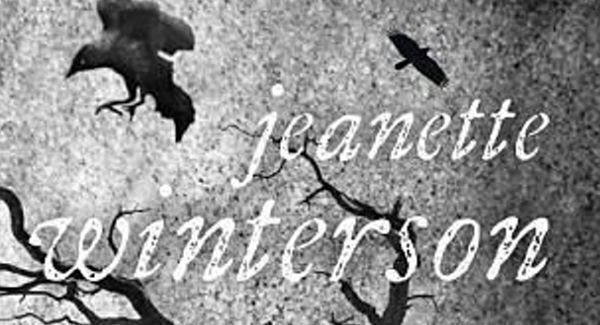
The Daylight Gate Jeanette Winterson

A 400-year-old horror story of full-on pulp but little insight

Hammer, £9.99;

ebook, $10.07 USA/Europe

Review: Billy O’Callaghan

Throughout the 1950s and ’60s. Hammer Productions set the standard for British cinematic horror fare, churning out a considerable amount of dross but also its share of gold, and making gaudy, Technicolour stars of actors like Christopher Lee, Peter Cushing, and Ingrid Pitt. The best of their films achieved a B-movie level of pop art, boasting tightly woven plots, vivid characterisations, and a distinctive style that blended gore, implied eroticism, and deeply atmospheric historical settings.

Box-office success was considerable, but by the mid- to late-’70s shifting tastes and a certain loss of viewing innocence had caused the market to change, The studio’s decline was rapid. They ceased production and were consigned to cinematic history.

Then, in 2007, Hammer enjoyed an unexpected resurrection. Time had viewed the archive kindly, films previously overlooked or dismissed as pulp were now considered afresh, their influence acknowledged by a whole new generation of low-budget filmmakers. Half a dozen films along, the studio has scored two legitimate smash hits: 2010’s Swedish vampire remake, Let Me In, and this year’s wonderful Victorian ghost story, The Woman in Black. And with a name so synonymous with horror. the decision to branch out into the field of literary publication seems a logical and natural next step.

As part of the Random House stable, the new Hammer imprint’s first major commission falls to Jeanette Winterson.

Winterson and Hammer should be an ideal pairing. Ranking among the most acclaimed authors of her generation, having penned such modern classics as Sexing the Cherry, The Passion, and the heavily autobiographical Oranges Are Not The Only Fruit, she helps legitimise the project as something beyond mere gimmick. Furthermore, her work, never averse to the fantastic, has for decades been relentless in its explorations of such subject matter as love, sex, morality, religion, and justice, frequently set against vivid historical backdrops.

To mark her Hammer debut, the author turns her gaze on one of the darker corners of Britain’s past, the infamous Pendle Witch Trials of 1612.

The England of The Daylight Gate is a place defined by brutality, intolerance, and suspicion. King James I has taken the throne and is determined to obliterate the last vestiges of long-outlawed Catholicism as well as the newly emergent practice of witchcraft. With the Catholic mass now equated with satanic rituals, even a casual accusation in either direction can be enough to bring a neck to the dead end of a hangman’s rope.

The wilds of Lancashire, said to be a bastion for both of these great challenges to the crown, stands as an obvious problem area, and Thomas Potts, a clerk to the court (and whose heavily-slanted historical account provides the only surviving documented evidence of the trials) is sent north to see that justice is properly meted out. And on Pendle Hill, where the walls between this world and the next seems thinnest, a case is already brewing. Suspicion, with less than pure motives, has fallen on a couple of impoverished families who eke out a pathetic existence on the land of a wealthy, mysterious widow-woman, Alice Nutter. These families, the Devices, and the Chattox survive on charity and scavenging, and by selling the sexual favours of their children to the local lawmakers.

Armed with a loose skeleton of facts, Winterson sets about weaving a fantastic narrative. Deciding that the crux of the story lies with Alice Nutter, whose inclusion among the accused hit wrong notes at the time and continues to do so even with the perspective of 400 years, the author concocts a character out of time with her surround, a mysterious, strong-willed type whose remarkable beauty belies her advanced age and who has come to wealth and power through explorations of the alchemical arts.

Alice has a clear-eyed view of right and wrong, hides a mutilated priest from a hunting mob, and shows compassion to the families who forage on her estate. It is her free-thinking ways that ultimately bring her to the gallows, but we soon get a sense that she has an underlying reason for her charity. Among these wretches is her former lover, the decrepit Device matriarch, Demdike, once known as Elizabeth Southern.

Doomed love stories prop up the narrative: One past, full of illicit passion, black magic, and the eventual conjuring of Satan himself, ‘the dark gentleman’; and one present, involving a hunted priest, Christopher Southworth, who has been tortured beyond repair for his faith but who has returned from France because his sister is among those facing trial.

When disconnected from these threads, the fantastic feels somewhat forced, and in truth the genuine horror found within these pages stems from all-too-human origins: The priest who has hot wax poured into his eyes before being gang-raped and then castrated by his torturers; the child, 9-year-old Jennet Device, the prosecution’s key witness in the eventual witch trials, who is relentlessly peddled for the price of food and drink to one of the most vocal accusers, a paedophile named Tom Peeper.

The writing throughout is simple and unobtrusive, but because of the novel’s brevity only Alice among the crowded cast gets the chance to credibly develop. Here, the tale is everything, resulting in a fast-paced thriller spun as purest pulp, a captivating story that provides certain fleeting pleasure but only occasionally threatens the genre’s strict confines.

Unfortunately, in the hands of a writer as skilled as Jeanette Winterson, these occasional threats hint at a mouth-watering missed opportunity, a novel that might have stood as a consideration of social hypocrisy, the condemnation of love that strays beyond an acceptable pale, and the violent suppressing of imagination and invention though religious dictates.

Reality and fantasy clash hard within these pages. The author presents a gripping story but it is difficult not to at least contemplate what might have been.

More in this section

Cookie Policy Privacy Policy Brand Safety FAQ Help Contact Us Terms and Conditions

© Examiner Echo Group Limited













