Friends without benefits: How to 'break up' a toxic friendship as an adult
Fraught friendships are winning awards for Colin Farrell, but is it time to reevaluate your friendships and if they're worth keeping? 
Friends without benefits: How to 'break up' a toxic friendship as an adult

There are many ways that indicate a friendship isn’t working.

The latest trend to hit the headlines is ‘succubus chic’; a bleached-brow touting goth with a stare that penetrates your soul. Cute? You decide. You know what’s not cute? The friendship succubus. They’re the one whose presence leaves you drained of energy, existentially cold, and emotionally vulnerable.

With the new year in full swing, many of us turn inward to recalibrate and reevaluate our choices. And with the complicated friendship between Colin Farrell and Brendan Gleeson enthralling us in Golden Globe-winning The Banshees of Inishsherin, could we all do with taking inventory of our friend list?
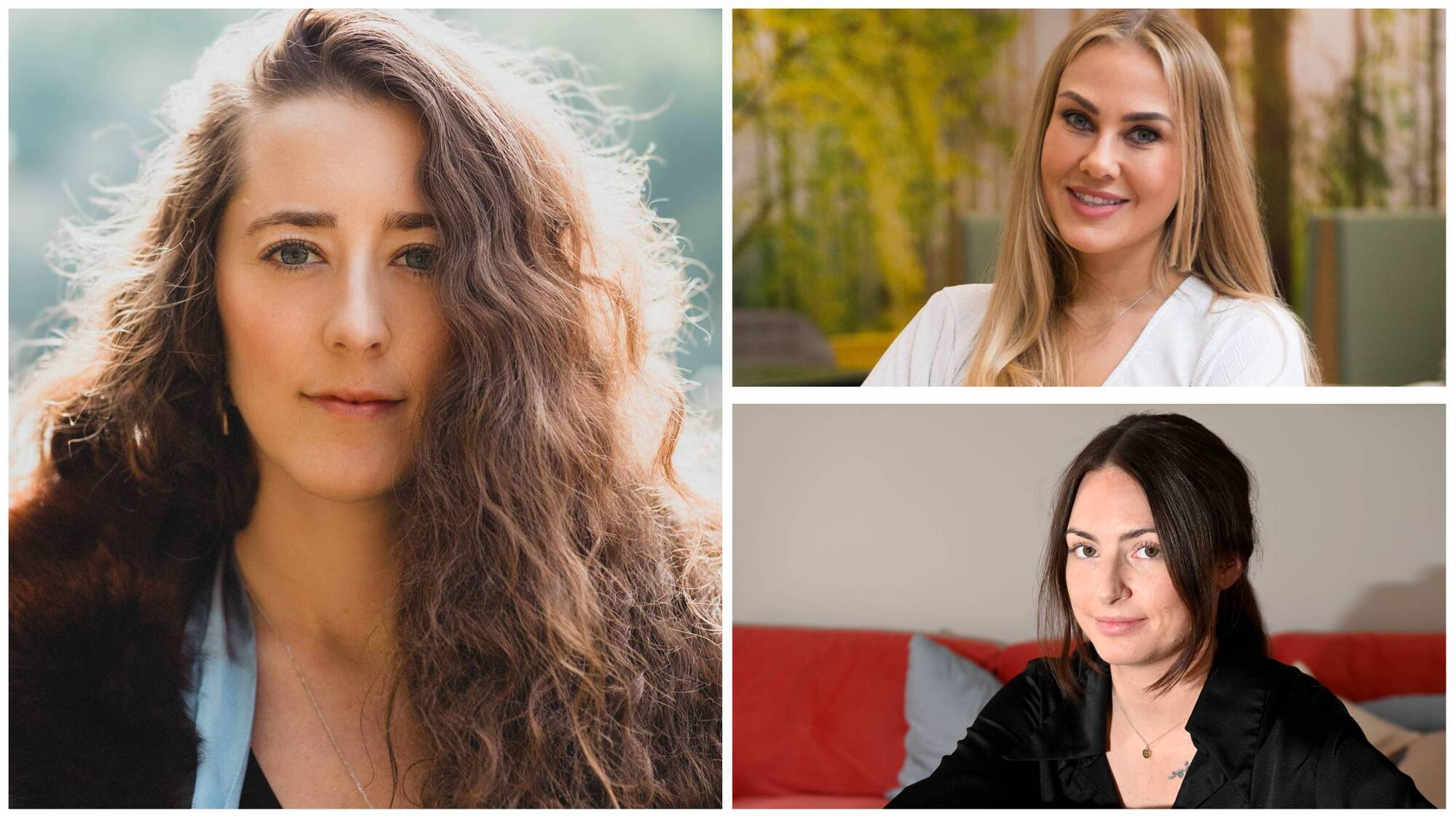
Annabelle Knight, 37, specialises in relationships and body language and is the official Love Island: The Morning After sex expert who found herself taking stock of a long-standing friendship. She was “inseparable” with one of her friends from college but ultimately, their differences in upbringing and religious views were too incongruous to sustain the relationship.

“She was religious at university but only to appease her family. She had sex before marriage, she drank, and partied.” Although Annabelle felt uncomfortable going to church, she went with her friend’s parents while staying there, her motives purely inspired by obligation and politeness.

“As a young woman of 18 or 19, I wouldn’t have had much of a backbone. I’d just go even though I felt awkward as it was a church where people would say he [god] will heal your bones and restore your eyesight. Once, someone was speaking in tongues. I was really freaked out by it.”

Annabelle stopped going to church with her friend and she noticed a cooling off on their communication.

“We had a WhatsApp group. Everyone told me I was reading too much into it. But I noticed a pattern that began to emerge whereby this person wouldn’t respond to anything I said.”

When Annabelle’s career began to take off, bringing out her own range of sex toys and appearing as an expert on shows like E4’s Kinky Daters, her friend’s automatic reaction was to criticise her choices.

“I can remember her being like ‘you’re better than that.’ She was trying to get me to aim higher but I felt like I was really achieving things.”

Annabelle Knight: "I’m a strong believer that if you don’t bring something positive to someone’s life and they don’t do the same for you, then it’s probably best to leave it"

The friendship became more and more strained and any time they met up, her friend would find a way of putting her down.

“I was feeling anxious about what was going to be said every time we’d meet up.”

One of Annabelle’s friends, a “super straight talker”, told her that she didn’t want to be friends with her because she believed that she was “going to hell.”

There was no formal ‘breakup’, something that Annabelle regrets on reflection. “Selfishly, I wanted that. There’s a weird sense of duty whereby people think they have to maintain friendships just for the sake of loyalty. I’m a strong believer that if you don’t bring something positive to someone’s life and they don’t do the same for you, then it’s probably best to leave it.”

Gareth Brinn, 25, is a technical writer who lives in Limerick. Since he left college, he’s seen several friendships fall apart, some due to lapsed communication and others because their lifestyles are no longer compatible. One friendship break-up in particular is still quite raw for Gareth.

“We would stay up all night talking to each other. We told each other everything; the good stuff, the bad stuff. But we couldn’t figure out if it was romantic and it was getting very complicated very fast. Neither Gareth nor his friend felt like they were in a position to commit to a relationship. “It was getting toxic for both of us — we couldn’t separate the feelings from the friendship.” Gareth doesn’t speak to this person anymore, having made a mutual decision that a clean break was best. “Maybe in years to come, we might be in a better place mentally and contextually things might align better.”

The pandemic drove a huge wedge between friends he had in college purely due to geographical reasons, says Gareth. “Some of my really close friendships I’d made in college dissolved. We didn’t call each other or make the effort to meet up. Covid pushed hard against everything that we could have done to maintain that closeness and unfortunately, we just drifted apart.”

Gareth has been ghosted on social media without forewarning or explanation. “I hate this guesswork of trying to figure out what happened. I would never unfriend or unfollow somebody.”

Gareth never blocks people on social media because he feels that ‘cancel culture’ can be particularly harsh and unforgiving. “I’m a big believer in second chances. It is incredibly painful when I go on some of these pages, especially if they’re private and you’re like ‘oh, they’re gone. I can’t contact them anymore.’ Cutting off that path of communication entirely is very surreal.”

Amber Murphy, 30, is a mum of one based in Cork. She recently ended a 12-year friendship when she realised she never felt good after spending time with this person. “She’s a prime example of a toxic friendship but we were friends for so long. It’s nearly like having an abusive boyfriend. You know, you keep going back to them. And it doesn’t matter what they do or how much they hurt you, you always kind of feel sorry for them.”

Amber Murphy at home in Glounthaune, Co Cork. Picture: Eddie O'Hare

As Amber recently turned 30, she’s found her priorities have changed. “In my early 20s, it was important for me to fit in but now that I’m older, I have a son and I have my own kind of life going on now.” Amber described situations where her friend would make her feel special but it never lasted long. “We did have good times — I’m not going to say it was all a complete nightmare.”

The good times soon turned nasty and Amber put up with years of comments about her physical appearance, so much so that she struggled with disordered eating and low self-esteem. “If you put a bit of weight on, she always highlighted it and then when it came to guys, it was always a competition.” Amber found it difficult to break free from the friendship and was quick to accept her friend’s apologies, wanting to avoid confrontation.

“She’d always find a way to kind of get back in touch with me. She’d be like ‘I miss you.’ It would start a whole vicious cycle again.”

Amber remembers visiting her friend in London, excited about her pregnancy with baby Liam.

“I was three or four months pregnant. I was barely even showing. She made so many comments like ‘oh, you’re going to be huge.’”

Other friends of Amber’s would point out that the relationship seemed to involve all take and very little give. “She made me feel bad about things — I paid for everything on nights out and it wouldn’t be reciprocated — she just took advantage.” The very last contact she had with her friend was on a trip where she was basically a glorified babysitter for the weekend. It has been months and she blocked her on all social media outlets.

“I think she’s a very damaged person but the friendship wasn’t serving me and to be honest, my mental health is much better since I stopped hanging out with her.”

Laura Sniderman has a Masters in Clinical Psychology from Columbia University and is the founder of Kinnd, a new friendship app and global community launching in 2023.

There are many ways that indicate a friendship isn’t working, says Laura, like an unhealthy dynamic.

“If you feel that you give more to the relationships on a consistent basis than you are receiving, the friendship might not be nourishing.” Sometimes people have differing ideas of the level of emotional connection that needs to be formed, says Laura. “One person is seeking a deeper, less superficial connection while the other person is satisfied with the current level of vulnerability."

Laura Sniderman has a Masters in Clinical Psychology from Columbia University and is the Founder of Kinnd, a new friendship app and global community launching in 2023.

Overstepping boundaries

Having clear boundaries and communicating them to your friends will help maintain a healthy relationship, says Laura.

“Sometimes life gets hectic and we can barely support our own emotional needs. We might not have the capacity to give and therefore cannot emotionally support our friends in the way we might want to so we set an emotional boundary.”

Guilt tripping

The pandemic saw lots of us embrace a newfound JOMO as we decided to say ‘no’ a bit more to social occasions that drained us.

“If you find yourself in situations like this often, where you feel guilty for something you didn’t actually do, or for expressing your needs and wants, it’s a pretty big red flag that this relationship is toxic.”

Lack of reciprocity

An imbalance in the level of giving can affect a friendship to its detriment, says Laura.

“Do you have any friends that you feel constantly ask a lot from you but don’t return the energy, time, knowledge or skills? This isn’t necessarily a one-to-one exchange but at large there should be an even cycle of generosity and reciprocity.”

More in this section

Cookie Policy Privacy Policy Brand Safety FAQ Help Contact Us Terms and Conditions

© Examiner Echo Group Limited