How to deal with a toddler who hits or bites
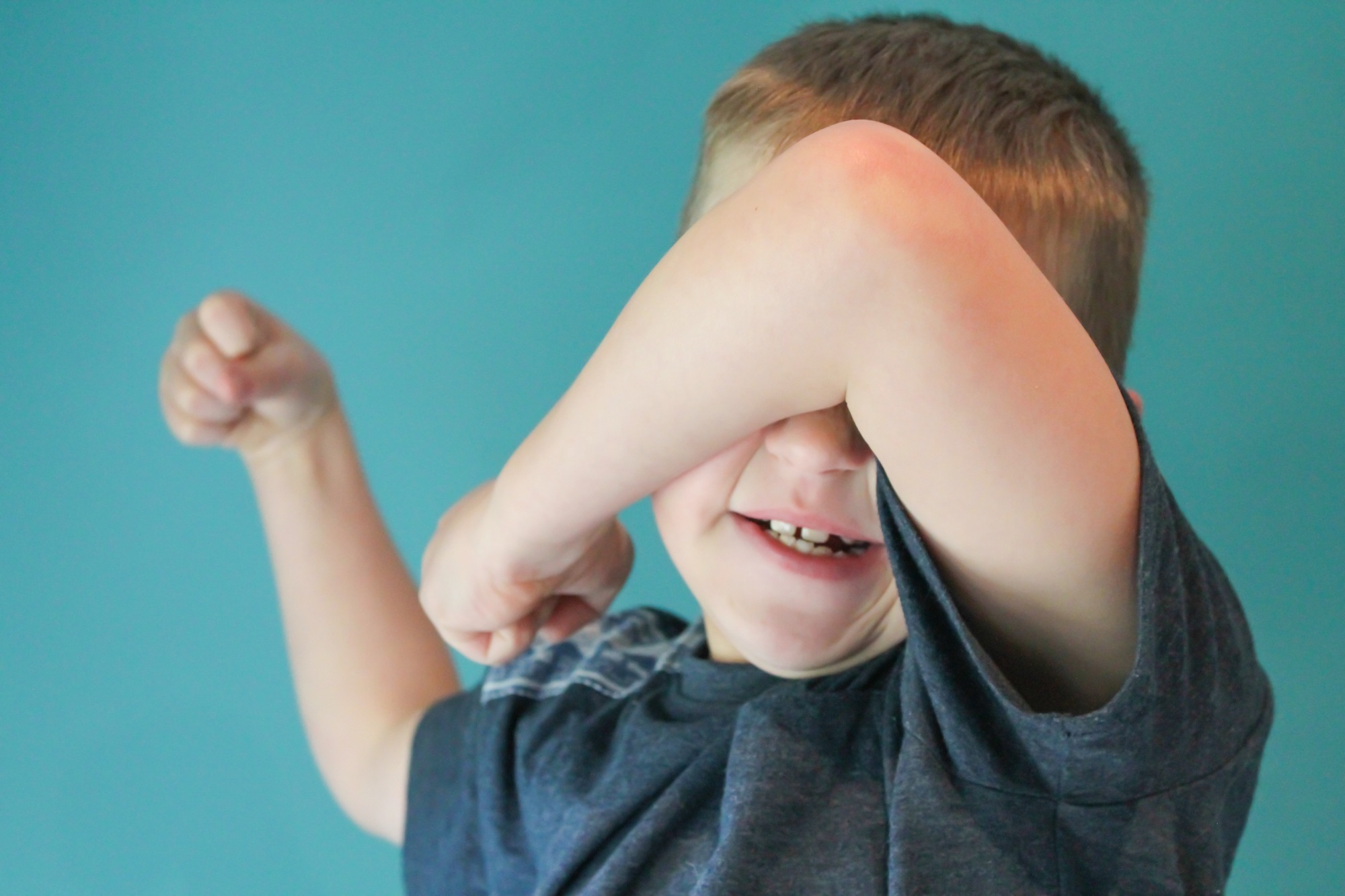
Your toddler has hit or bitten another child again, and youâre beginning to think he has a problem. But donât worry, itâs normal. Honestly.
Research has shown eight out of 10 children are hitting others at the age of 18 months, and kicking, pushing and throwing things at people peaks at 20 months. So aggressive behaviour starts even before the terrible twos â although the 2018 New York University study also showed two-year-olds hitting nearly four to six days a week.
But while aggression in toddlers is clearly very common, it doesnât make it any easier if you are one of the parents who has to deal with it, and master the art of looking suitably contrite as another angry parent tells you their child has been hit or bitten by yours. Again.
So why do young children become aggressive, and what should parents do about it?
My fiance just posted this on her social media, I take it all is not well at home... đŠ #parenting #toddler pic.twitter.com/4vtJSGhOVm
— Cassandra G. (@cassagustafsson) August 2, 2020
There can be many reasons for young children to lash out, ranging from frustration, anger, jealousy, attention-seeking, tiredness, hunger, a simple loss of self-control, or just testing boundaries to see what theyâre allowed to get away with.
âParents should try to think why the aggression is occurring, and perhaps keep some notes to describe the situation and what happens beforehand â is it jealousy, a lack of attention, tiredness, hunger?â asks David Messer, an Open University professor of child development and learning.
And Norland nanny and maternity nurse Louenna Hood, who runs the Nanny Louenna app, says: âAggression usually occurs in children due to frustration. Itâs not unusual for a toddler to have a tantrum if they donât get their own way, or if they feel they arenât being heard or understood.
âOver-tiredness is also a huge factor in childrenâs tolerance and mood, which is why itâs so important for babies to learn a good sleeping pattern from a young age.â
Hood says simple measures like making sure young children get lots of time outdoors to let off steam can help reduce or stop their aggression, and she points out that, as children learn from their friends and elders, itâs important to always be a good role model.
âFrom toddler age, set clear boundaries over whatâs right and wrong,â she stresses. âChildren love feeling the security of having boundaries and youâll find theyâre happier if they know youâre in control.â
A good bedtime routine and a focus on making communication as easy as possible will also help make aggressive behaviour less likely, she says.
âA consistent bedtime is key to all childrenâs behaviour. Between 7pm and 3am is when children have their deepest sleep, so be sure theyâre in bed and can enjoy an undisturbed sleep.
âCommunication is a huge part of every childâs development. If your toddler is finding it hard to communicate through their words, learn signing together so they can express themselves. If you understand them, it stops the frustrated tantrums.â
While some parents may think hitting a child if they hit their friend will show them how it feels and stop them from repeating the behaviour, Messer says such tactics are unwise.
âThis is a difficult topic,â he says, âbut the general advice to parents involves not responding to the aggression with aggression, but to restrain the child if necessary and not to escalate the situation. The attention given by creating a scene may in a strange way be rewarding to the child and so can end up encouraging more aggression at later times.
âSometimes itâs useful to overemphasise the hurt thatâs occurred, to work with the childâs empathy â especially if the aggression is to an adult.
âItâs also very useful to discuss the issue with the child when thereâs less stress and the situation is calmer â ask why they carried out the aggressive act, what they were thinking about, what they thought about afterwards. Avoid blame and getting into an argument, instead try to show concern and understand what the child is feeling.â
He says that although toddlers wonât be able to express their feelings well, itâs worth trying this, and explaining to them how their aggression affects others.
But however you deal with your childâs aggression, itâs important to remain calm, agrees Hood. âDonât let your child know youâre affected by their bad behaviour â donât shout or get upset, just calmly tell them what their consequence is and follow it through,â she advises.
Hood points out that consequences will differ depending on the age of the child. A toddler, for example, could be denied an ice cream theyâd been promised, and an older child might be sent to their room until they apologise.
âOnce they realise the bad behaviour only has a negative effect on their own happiness, theyâll stop,â she says.
I need tips on stopping toddler biting. He's only done it twice and the 1st time was the kid who has bit him for the last 2 years at daycare đ€·. I just dont want this to become a thing. #toddlerbiting #toddlers #thisistwo #MomLife #momadvice #biting
— Ashley (@Maddcat2) August 21, 2018
Hood stresses that itâs vital for parents to take control of the situation, rather than just hoping aggressive behaviour is simply a stage their child is going through and that it will pass on its own.
âIf a childâs aggression isnât dealt with, then it will only escalate as they get older, which is why this type of behaviour must be dealt in the early stages,â she says.
âI often see toddlers hitting out in anger and their parents not reacting because theyâre âonly littleâ. But if that behaviour continues, it becomes a lot harder to manage when that little toddler grows into a strong six-year-old.â