Colm O'Regan: Why is the right path always an uphill climb?
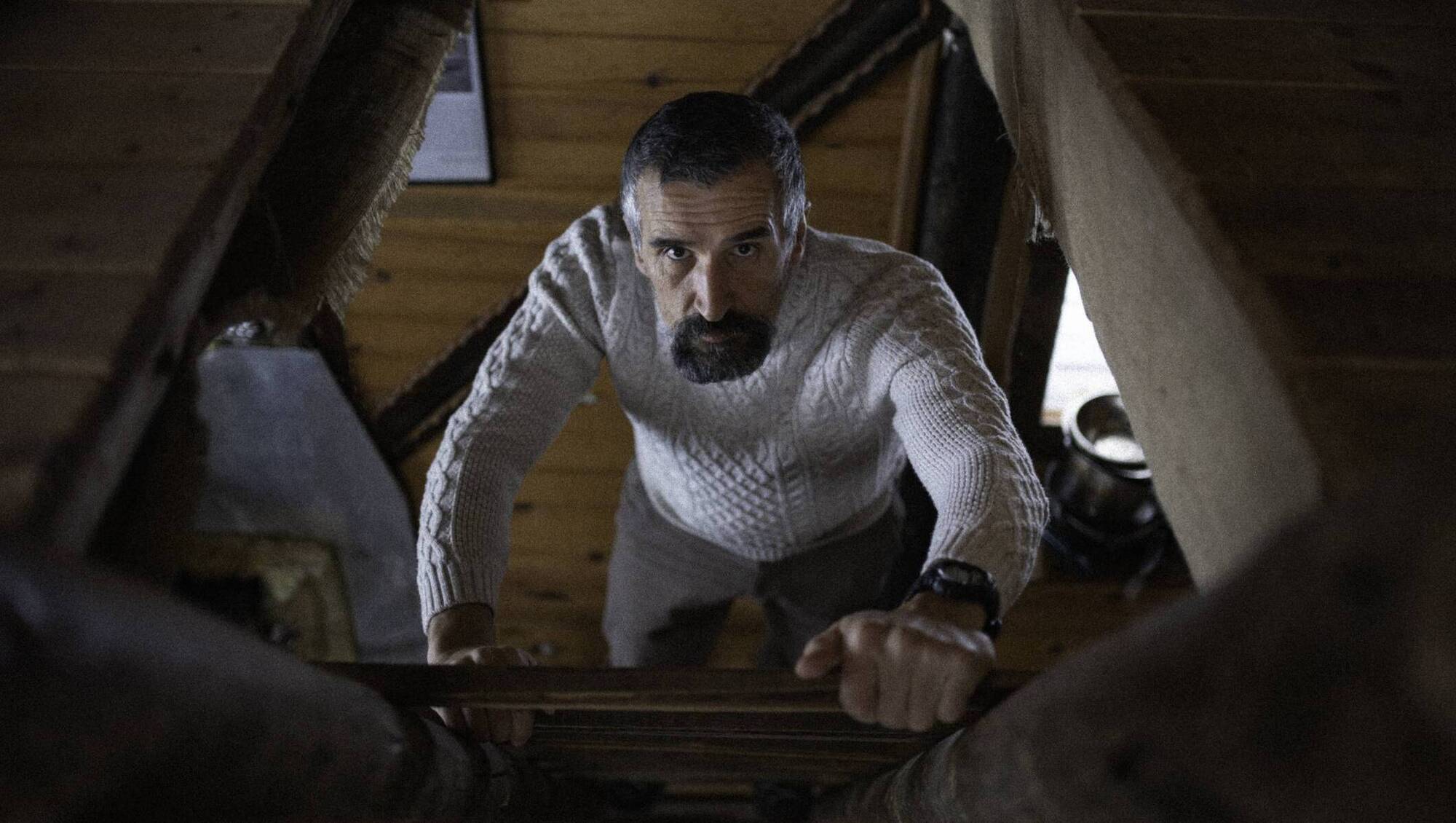
Colm O'Regan: 'By putting Christmas party left-over cans in the attic you’re less likely to drink them. Not because you’re a good person but because your desire for an attic-chilled can is not a strong as your desire to be arsed getting the Stira down and trying to find things in the attic.'

Here’s what I know about new year’s resolutions...
That the science — let’s not get into which bit of science — says willpower is not infinite.
Even though for years, the airport book, self-help culture, has told us will power is about how strong a person you are. That if you don’t have it, you’re weak, morally suspect, a lesser person than those around you. (But that’s enough quotes from my pep-talks to myself.)
Modern psychology theory says now that willpower is more like a muscle, it can get tired, cramped. You can tear it when reaching for a biscuit. And when willpower is injured or depleted we reach for comfort... and another biscuit.
That’s why resolutions which rely only on being a hero of self-control don’t always work. Only those joyless people who post their daily timetables on Instagram have that level of self-control. You know the ones who say they get up at 4am so they can crush their goals while you are crushing the midnight crumbs further into the electric blanket.
For the rest of us, too much resolving asks too much of our little willpower muscles. Your willpower six-pack isn’t developed enough yet to resist opening a six-pack of Tayto.
So it becomes about habits. Instead of repeatedly trying to do the morally good thing, you need to actually resolve to do less resolving. It needs to be automatic, with no decisions at all. Once something becomes automatic — brushing your teeth, lifting with legs and not back, checking your phone to see how more successful rivals are doing — it no longer is hard to do.
So a good resolution that might actually work is less about what you want to do to be a better person and more about the how to do it: tweaks you can make to so that doing the wrong thing is just doing the hard thing.
To use a completely hypothetical example, by putting Christmas party leftover cans in the attic, you’re less likely to drink them. Not because you’re a good person but because your desire for an attic-chilled can is not a strong as your desire to be arsed getting the Stira down and trying to find things in the attic.

And the other thing ‘they’ all say: start small. The brain hates big change. The brain is basically your father sitting in his favourite chair watching and you’re suggesting starting the critically acclaimed five-season Apple TV epic. Just say "will we watch the trailer anyway" or "the fella out of is in it".
So this is what I know about resolutions. It doesn’t stop me still failing. In fact, I’ve broken one of last year’s already as soon as I begin this — to write no more columns about new year’s resolutions.
Well, Old Me thought New Me would have more ideas. But lookit, we are where I am. New year’s resolutions are of course a pure cod. It’s the wrong time of year to be deciding anything.
But recently, there was hope. This year I finally kept my 2015 resolution: to learn how to swim. Ten years later. That’s Children’s Hospital level delay.
That way, if I don’t do it, most people will have forgotten I was supposed to and when I finally do do it, everyone is pleasantly surprised.
So stay tuned for a sod-turning ceremony, a protracted planning dispute and me finally getting that six-pack by 2050...
...from the attic.