Séamas O'Reilly: From Chicken Tonight to fake podcasts, ads are an intrusion on daily life
Séamas O'Reilly. Picture: Orfhlaith Whelan

In August of 2010, a user named blue_beetle coined a term in the comment thread of a Metafilter post, about a website which had doubled down on native advertising.
“If you are not paying for it,” he wrote, “you’re not the customer; you’re the product being sold.”
Fourteen years later, this now-infamous quote has only accrued 569 likes, but its central thesis has come to define an entire generation’s attitude to the commodification of public attention, and the near certainty that any free platform will be geared toward spamming you, forever.
In some cases, the term ‘platform’ is literal. Earlier this year, London’s Euston station’s giant bulletin board was replaced with a massive HD advertising screen.
This board — space for which is advertised on Euston’s website as allowing companies to reach “35.5 million passengers” — was once clogged up with fiddly, boring information like the times and destinations of incoming and outgoing trains, and now flogs products and services with horizon-swallowing, seizure-inducing motion graphics.
Arrivals and departures, meanwhile, are relegated to a separate, smaller display that can’t be seen from the seating area.
Reaction to this has not been positive. Some have raised issues of autistic passengers being overstimulated by the displays, whereas most commentators agree that it is an ugly, tacky, and grotesque surrender to hyper-capitalism that carries the bonus feature of making it harder to know when or where to catch the train you entered the station to board.
It is difficult to view it as anything but the most egregious possible example of a company selling its customers to advertisers, at the direct expense of their ability to use its own services.
Perhaps one other reason this seems so offensive is that many of us have done everything we can to avoid advertising, in the first period of human history where this has been remotely possible.
Free, or very cheap, adblockers are available for all desktop and mobile browsers and I am a happy user of several.
Since the premium models of streamers like Netflix, Prime, or Disney+ remove all ads, one can go through an entire evening’s TV viewing without ever seeing one.
My wife and I mostly watch non-linear programming, and my kids exclusively watch BBC iPlayer and, of course, YouTube, for which I pay the Premium subscription that removes ads entirely.
After more than a decade of wondering who on earth would pay for YouTube, I gave it a chance two years ago and now cannot imagine life without it.
With an irony I cannot quite avoid, I must insist that I do not intend that sentence as an advertisement for that service, but can only say that I now find YouTube with ads unwatchable.
I mean this literally. When some other, lesser, YouTube user passes me their phone to watch some viral clip, forcing me to sit through an unskippable advertisement, I endure it like torture and usually last about 13 seconds, before I insist on pulling it up on my own phone’s, superior, adless, account.
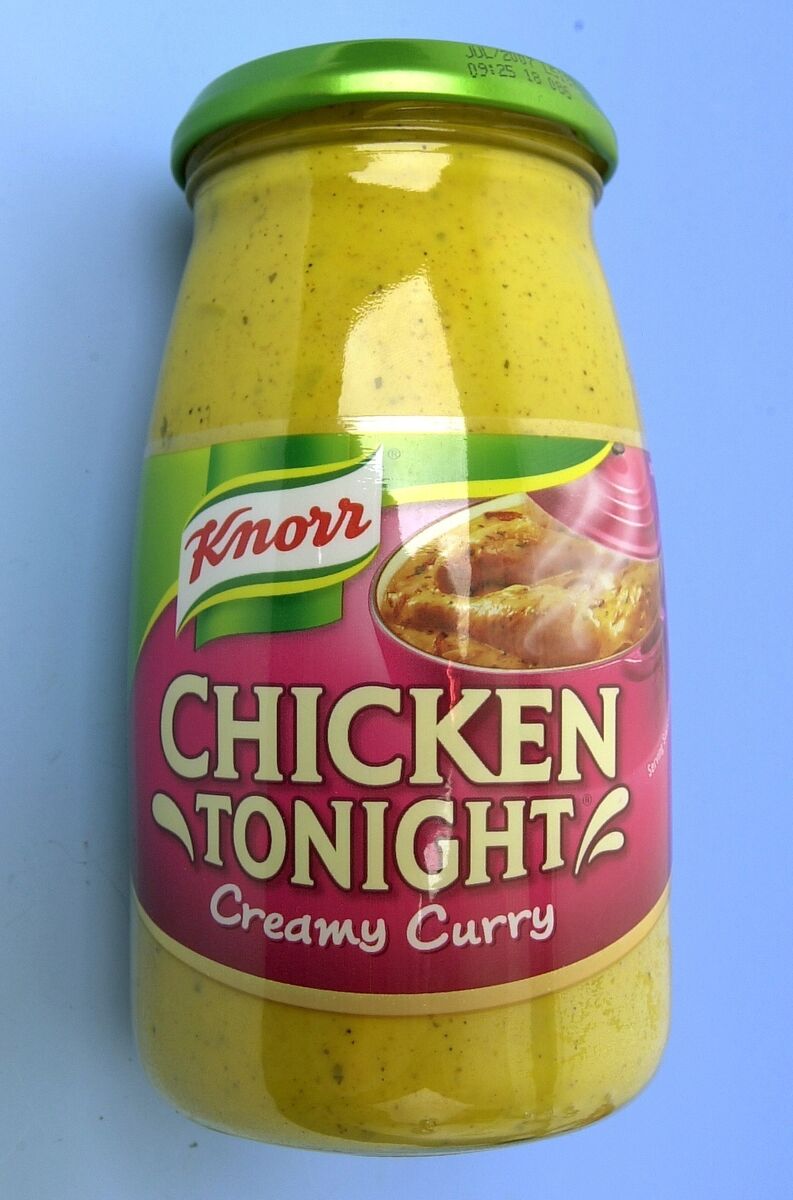
My entire childhood was spent internalising ads to the point that “you’ve been Tango’d” became a playground game, and stultifying refrains like ‘I Feel Like Chicken Tonight’ were folk anthems known, and sung, by all citizens.
Now, it feels inescapably weird to reach half time in a Champions League game and find myself buffered by offers of cheaper car insurance, budget Mediterranean holidays, and jarringly regular injunctions that I join the British Army corps of engineers.
On X (formerly known as a functioning website named Twitter), my policy of blocking ads has not resulted in a drop in their quantity so much as their quality.
Amid the exodus of advertisers from Elon Musk’s everything app, it seems like the only people left selling me things are offering products I can’t even readily identify as objects — projector lights that display star maps, misshapen plastic tools that remove blockheads (I think?), and the endless churn of crypto and AI ‘products’ the use of which I cannot ascertain, and the spelling of which its own providers can’t consistently manage.
Perhaps a smarter economist than me might connect this flood of detritus to the fact that the site has seen a 50% drop in ad revenue since Musk bought it in 2022.
It’s only on those platforms I use less, such as TikTok or Instagram, that I see the burning path toward actual innovation in the sector, a glimpse at the dystopic future we’re hurtling toward.
My feeds there are awash with the genre of advertising I call Fakeposts.
Designed to resemble some other trope of social media, these ape the formats of makeup tutorials or influencer reviews, before you realise there’s a BUY link at the corner of the screen and you’ve been watching the world’s cheapest promo.
Most repulsive of all are this hellscape’s true bottom floor; fake podcasts in which buff people wearing athleisure sit in front of mics, their brick or curtained backgrounds lit with all the cheeriness of a morgue.
Why, after all, go to the trouble of making your product successful enough to get featured on a podcast when — for the price of three microphones and some lights powerful enough to track prisoners escaping from a maximum security prison — you can cut out the middle man entirely.
Watching these hosts attempt to pass off their dead-eyed ad reads about meal prep services or hygiene products, as if they’re normal conversations from the worst podcast you’ve ever seen, I wonder which of us is even the product anymore.
One is struck with the horrifying thought that €70m billboards and full-HD motion graphics are not the horsemen of this apocalypse, but the smartphone-enabled world in which every social media user is selling something to someone else.
Come back Chicken Tonight, all is forgiven.