Edel Coffey: These days being thrifty doesn’t equate with being a penny-pincher
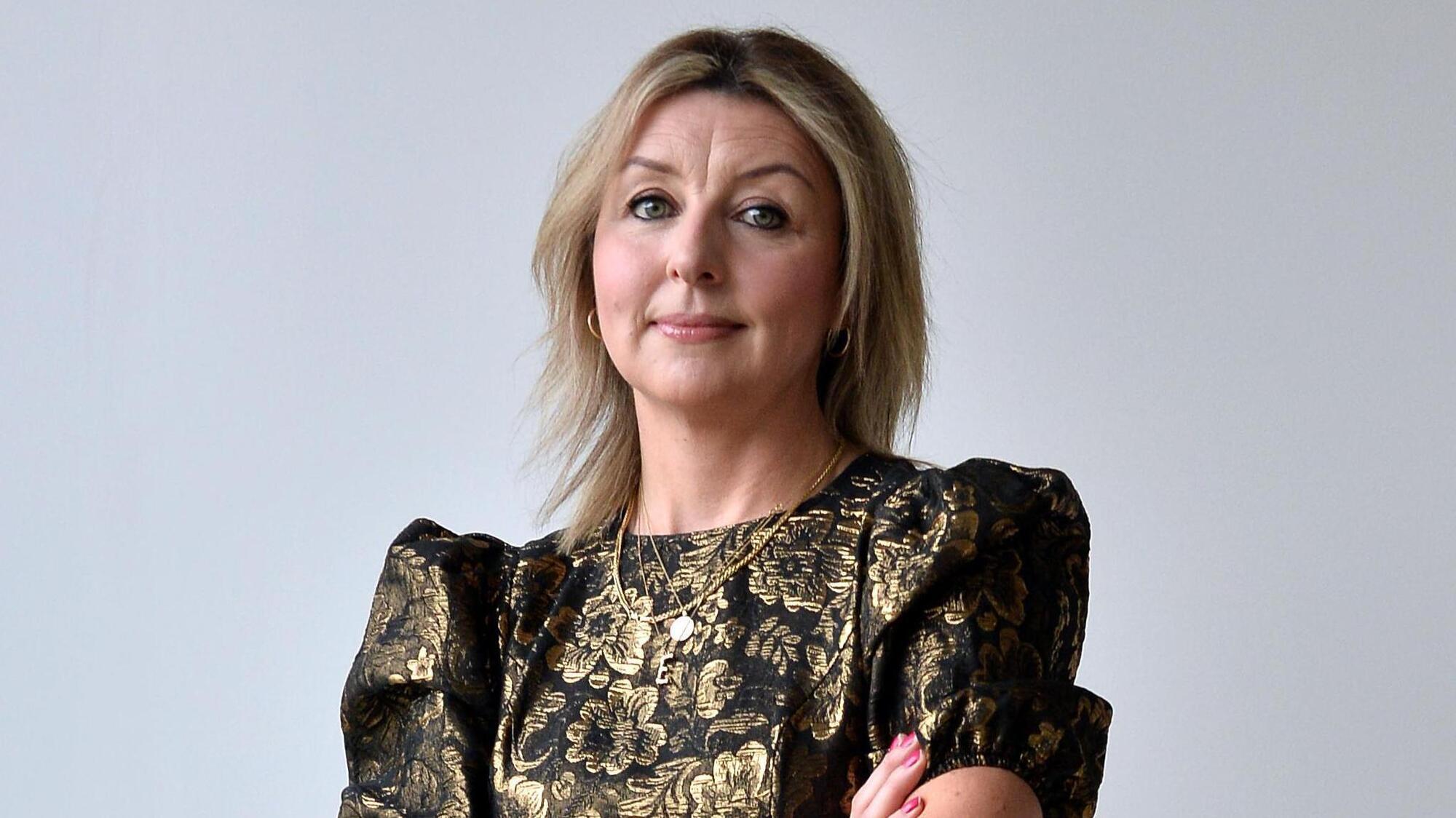
'Irish people have always enjoyed a bit of thriftiness.' Picture: Ray Ryan
I am getting on board with the new TikTok trend.
We’ve always loved a bit of thriftiness in this country but according to frugality has officially gone viral with the trend of ‘ loud budgeting’ or conspicuous non-consumption.
Move over domestic influencers who espouse the joys of the Dishmatic; it’s all about the money now.
It makes sense that BudgetTok (I may have made that up) has taken off, particularly amongst the TikTok generation.
This is the generation who grew up in the crash and are entering an adulthood where housing is overpriced, if even available, and the cost of living is, well, costly.
It’s no wonder videos about saving money have taken off. Still, I’m really pleased to see a trend for budgeting entering the public consciousness.
I remember being in a duty free shop with a friend on one of many European city breaks people used to take back then. I didn’t see anything I wanted.
“Buy something for god’s sake,” she said. It felt like buying nothing was not an option.
We stopped using phrases like ‘I can’t afford to this week’ or ‘I’ll have to wait till pay day’ or ‘I’m broke’ and instead we just used the freely issued credit cards because the banks regularly offered unsolicited increases on credit limits.
Spending was associated with success rather than foolish profligacy. And ordinary people like you and me were told that Manolo Blahnik shoes and Mulberry handbags were essential wardrobe items.
The spectre of Carrie Bradshaw hung over us like a Victorian smog. She was a journalist who seemed to be able to afford these items on just the one column a week so why couldn’t we? (Even she was faced with her own reckoning in season five where she had to admit she had frittered a house deposit on designer shoes.)
As a regular Instagram user, I have noticed an increase in budgeting accounts (or maybe the algorithm is just trying to help me).
I particularly like Caz Mooney’s @irishbudgeting, which is incredibly inventive and helpful with her ‘feed five people for a fiver’ series of videos.
It’s great to see an account like hers providing really useful advice for anyone looking to save money.
I’m old enough to remember the shame of the ‘yellow-pack’ range of goods that were the cheap own-brand produce in Quinnsworth. I also remember Aldi and Lidl being tarred with the same brush when they first arrived on our shores.
There was a touch of that yellow-pack opprobrium, a sense that you didn’t want to be seen going into those shops … until we all discovered the joy of their dry-aged rib-eye steaks and their Brie de Meaux, never mind the middle aisle. Now everyone shops there.
The same thing happened with Penneys. It used to be a case that you mightn’t like to admit you got something in Penneys until their catwalk-inspired fashions meant we could all keep our fingers on the pulse of European style and the phrase ‘Thanks, Penneys’ was born.
Everyone loves a bargain after all.
It can only be a good thing that we are starting to separate frugality or lack of money from any kind of moral value. If you are thrifty, it doesn’t equate with being a penny-pincher.
Safeguarding your financial health, not spending what you don’t have, and living within your means is not tight; it’s clever.
This is why I’m really pleased to see this shift in mentality around budgeting, how it’s starting to be seen as something normal, something smart, rather than something shameful.

It’s good to see people acknowledging how expensive the cost of living is right now and trying to come up with practical ideas for how we can all save money.
Since I’ve started to examine my own spending habits, my behaviours have changed and I see the difference. I now do one large weekly shop on a Saturday or Sunday in preparation for the week ahead.
I have a list which covers all the meals I plan to make for the week. I shop defensively now.
I buy bread and freeze it so I don’t need to go to the shops every other day, where I run the risk of picking up things that I don’t need.
If I need milk, I go to the local garage where there is a small selection of produce on sale and I’m not likely to buy things I don’t need. It’s been a huge shift for me.
In a world where our noses are constantly pressed up against the window of luxury and wealth and consumption, frugality and thriftiness are welcome new trends.
And what I’ve noticed since I’ve started paying a little more attention to my own budget, being a little bit thriftier, and getting a bit more organised, is that at the end of the week or the month, I have a little extra left over for the middle aisle.