Suzanne Harrington: The legacy of Ann Lovett in a vastly changed Ireland
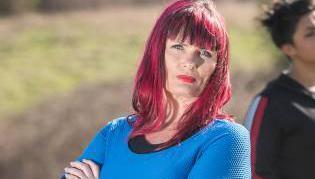
Suzanne Harrington. Pic: Andrew Hasson
Try from €1.50 / week
SUBSCRIBE
Suzanne Harrington. Pic: Andrew Hasson

A lot has been written about Ann Lovett lately, as we look back in horror, but not disbelief.Â
I did my Inter Cert the same year as her; 40 years on, her name still invokes an old feeling of dread inside. A kind of existential fear and powerlessness.
As a teenage girl the same age as her, her death confirmed something unspoken, but irrefutable: Ireland was a dangerous place for girls.
It always had been — Ann Lovett just confirmed it for my generation.
We didn’t know about the others who had come before her, the countless hidden ones locked away, or worse.
What Ann Lovett taught us was that the adults in charge could not be trusted, that they would rather see a girl dead than pregnant; for 15-year-old girls up and down the country, the message was stark. You were on your own.
No wonder so many of us left. No wonder so many Irish girls fled.Â
You didn’t have to be pregnant to board the abortion express — you just needed to desire to breathe freely, to be yourself, to live your own life, and not a life prescribed to you by some random man in a pulpit with extraordinary influence over your private choices.
Sinead O’Connor was right — the colonisation by Rome was far worse than the colonisation by Britain, ripping into our private spaces, colonising our minds and bodies, our sexual selves, our psyches. No wonder we legged it.Â
One of the saddest aspects of the Lovett case — aside from the glaring tragedy of Ann’s death, her baby’s death, and her 14-year-old sister’s death two years later — was the fact that her mother never spoke about what happened. Ever.
Mrs Lovett lost two daughters and a grandchild, and never spoke of it.
Old Ireland sealed women into their grief and loss, their suffering and unspoken pain, leaving them mute, wordless, unable to articulate – they were painted shut with shame. Nailed down.
Forty years later feels like 400 years, in terms of our psychological decolonisation. Our daughters are free now to do what they want, when they want, with whoever they want, any old way they want.
What liberation, to grow up unburdened by the shame that hamstrung all the women before them, unburdened by mind control and suffocating expectation.
Telling my own daughter about Ann Lovett, about Savita Halappananvar, about the mother and baby homes, her face registers blank incomprehension. Like I am making it up. I tell her how wish I was.
You might wish then, like the parents of the Andrew Scott character in All Of Us Strangers who died in the Eighties but get to revisit life in contemporary times, that Ann Lovett could see Ireland today.
The changes for women and girls and everyone. Reproductive rights, equality enshrined in law, a they/them from Macroom representing us in the Eurovision. Unimaginable. If only.
Ann Lovett, we teenage girls of the Irish Eighties will never, ever forget you.
Newsletter
The best food, health, entertainment and lifestyle content from the Irish Examiner, direct to your inbox.

Our team of experts are on hand to offer advice and answer your questions here
Newsletter
The best food, health, entertainment and lifestyle content from the Irish Examiner, direct to your inbox.
© Examiner Echo Group Limited