Edel Coffey: Why, as a society, do we seem to be less and less able to accept death and ageing?
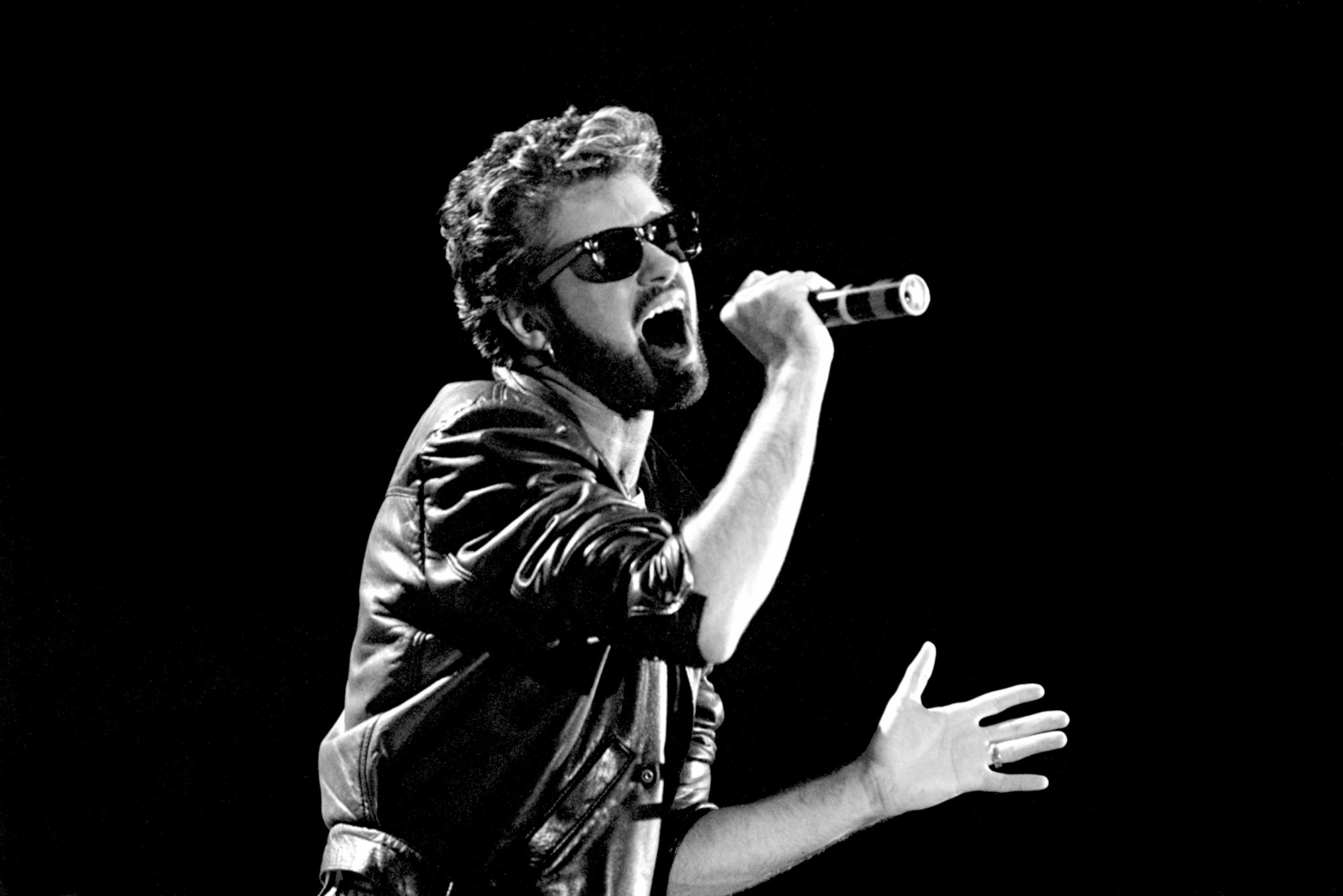
A couple of weeks ago, the estate of George Michael filed accounts suggesting that they may be about to expand their business dealings to include live events. Picture: PA/PA Wire
I still remember hearing the news on Christmas Day 2016 that George Michael had died. Likewise, I remember distinctly the moments I heard Sinéad O’Connor and Shane MacGown had passed, Amy Winehouse, Elliott Smith and Kurt Cobain. I was deeply saddened on each and every occasion, not because I knew these people, or even because I was their biggest fan. But the reason I was saddened was I knew that these were special people, unique talents whose like we would not see again.
However, in the case of George Michael, while we may not see his like again, we might yet see his likeness… in the form of a hologram.Â
A couple of weeks ago, the estate of George Michael filed accounts suggesting that they may be about to expand their business dealings to include live events. Strange, considering their star, George Michael, has been dead over five years now. The speculation is that Michael’s estate might be planning a live event along the lines of ABBA’s Voyage, which features hologram versions of the Swedish stars and has been an enormous success. There’s just one difference between ABBA and George Michael. All four members of ABBA are still alive, so using hologram versions of the singers feels more like a new way of entertaining their fans, rather than a new way of making money from a dead pop star. (Michael’s estate is already enormously lucrative and made a profit of £20million in its most recent returns.)Â

Previously, the idea of bringing Michael back in hologram form had been shelved as the technology wasn’t considered good enough but it has been done in the past with other dead singers like Tupac Shakur, who made a posthumous hologram appearance at Coachella in 2012. The effect was eerie and unsettling as he spoke to the crowd and to his stage mate Snoop Dogg.
Whether the technology is good enough or not feels beside the point to me. I’m more intrigued by where it will all end. Will it be with a hologram of Napoleon doing the after-dinner speaker circuit? Or Virginia Woolf coming to a literary festival near you? Or a supergroup made up of Whitney Houston, Elvis, Ella Fitzgerald and John Lennon playing in the Las Vegas Sphere?
It all leads us back to the issue of AI, which found itself at the heart of the recent actors’ strike in America, with performers concerned that they could be replaced by ‘digital fakes’. If the technology becomes good enough to duplicate dead pop stars, could it also be used to replicate actors’ image and continue to use them into eternity? Will we even hear of a musician or actor’s death if their AI trained hologram can simply pick up where they left off — ageless and unblemished?
George Michael was a singular talent in his vocal ability, his songwriting skill and his production vision. Can’t we be satisfied with the body of work he has left behind for us to enjoy and leave it at that? Is it really okay to bring dead artists back and send them out on tour in the form of a hologram just because we want to keep seeing them perform? Because it feels weirdly mercenary, creepy and unethical.Â
All things must pass, including our favourite pop stars, actors, artists and performers, but as a society we seem to be less and less able to accept this.Â
We all discovered during covid how boring it was to watch a live event on Zoom, how lacking in chemistry it was compared to being in the same room as a live performer, a real-live human being. Because there’s something essential that can’t be replicated and transmitted along pixels of light, however advanced the technology may become.Â
I imagine that’s what a hologram concert of a dead pop star might feel like, the functional diversion of a zoom meeting, the diminished experience of watching Glastonbury on the television. The alchemy of human connection that makes a live event so special is unalterably human. George Michael’s hologram might look and sound and move just like him, but it won’t be him. The magic of human talent, creativity, skill and art is that it is unique.Â
George Michael’s ability to perform live died with him, but his music, his contribution to the world of art, lives on. That’s what we should be doing if we miss him, if we want to hear his voice, engaging with his music. These phenomenal artists who have died should be left to shine on through their enormous cultural achievements, their legacies, rather than being hawked around the world on the back of a hologram. There’s a saying that we apply to our dead, that we should probably remember when we’re thinking of resurrecting dead pop stars — let the dead rest in peace.