Edel Coffey: Nollaig na mBan is a time to celebrate ourselves and each other
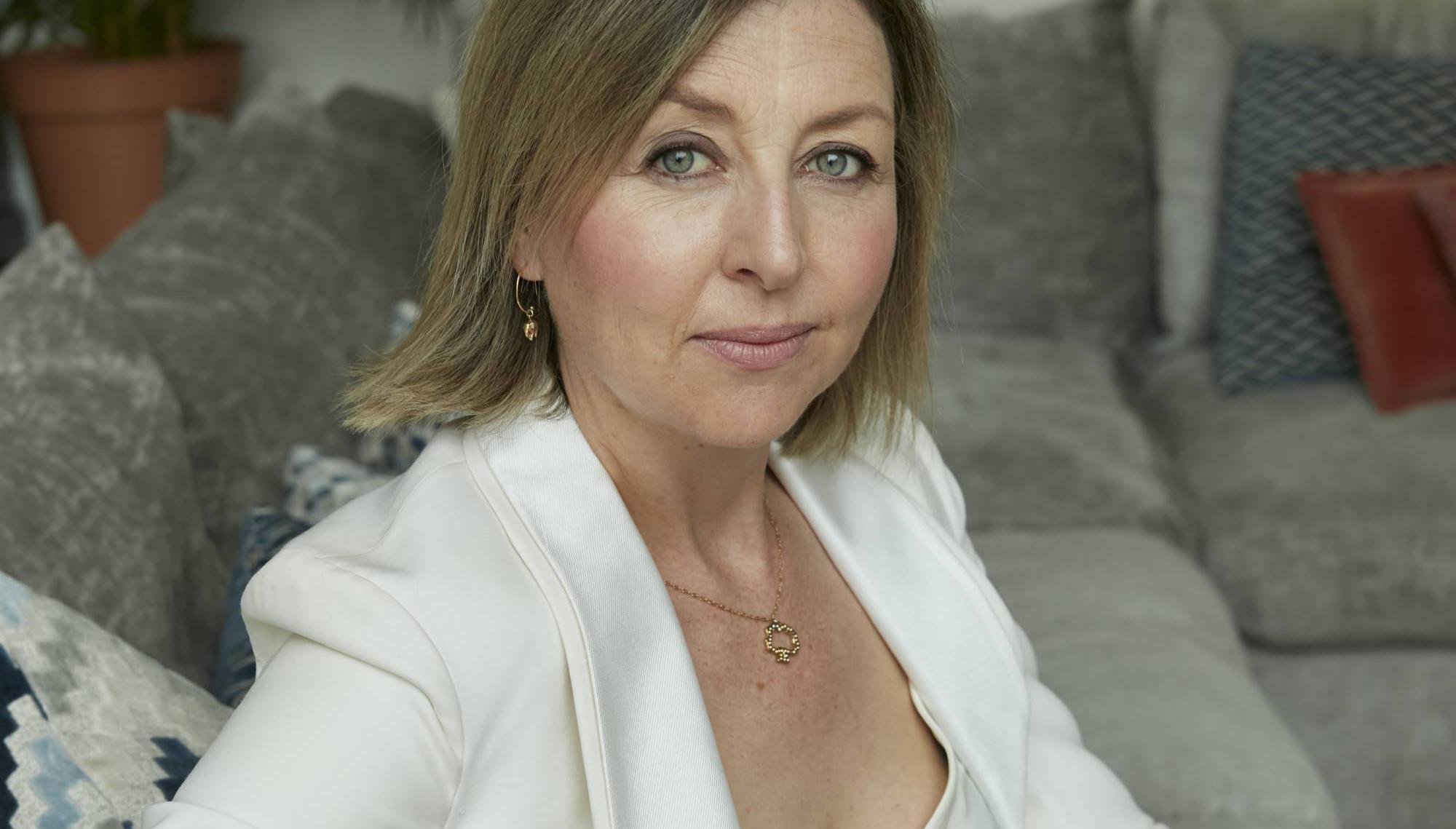
Picture: BrÃd O'Donovan
Today is Nollaig na mBan, or Little Christmas as it is known in other European countries.Â
It’s officially the end of Christmas, the day the three wise men brought their gifts to Bethlehem, which is why some cultures also give gifts on this day.

In Ireland, we have a different tradition on January 6. Traditionally, Little Christmas was a day off for the women, a break from all the hard work they had done over the Christmas period, cooking, cleaning and hosting guests.
On the 6th of January, they handed over to the men of the house while they put their feet up.
This version of Nollaig na mBan had largely died out by the 1950s in Ireland, probably to do with the fact that women were establishing themselves outside of the home, but I do remember some of my aunts observing it.Â
I don’t think they took the day off so to speak, but they certainly took some time for themselves, and marked the occasion by getting together with each other to celebrate another year over, congratulate themselves on their hard work and cut loose a little bit.
I’ve never really celebrated Nollaig na mBan in that way myself. I’m lucky enough to be part of a generation of women who are not expected to do everything around the home anymore, even if in practice many still do.Â
I would hazard a guess that in a lot of situations, women still do the majority of the household and food preparation (along with the emotional labour) of Christmas work.Â
I’ve been thinking about this in relation to the debate over the rewording of Article 41.2 describing a woman’s place and duties in the home.Â
While of course a woman’s place is no longer considered to be in the home, most of us still have a lot of duties in our homes, not to mention duties in our careers, communities, extended families and friendships.Â
Perhaps this is why we don’t celebrate Nollaig na mBan in the way we used to, by taking the day off. We simply don’t have time to do that anymore.Â
We work full-time, we have careers and responsibilities outside of our homes and families and, for many of us, Nollaig na mBan is just another working day.Â
If it is a day off, it’s a day to get things done — put the Christmas tree away, take the decorations down, and get the house back in order before going back to work.
But I am gratified to see the revival of Nollaig na mBan. The informal gathering together of women was always a big part of Nollaig na mBan, going to each other’s houses to eat the last of the Christmas cake, drink the remaining brandy, but also to celebrate and support each other.Â
This is the part of Nollaig na mBan that I am familiar with, particularly in recent years as the feast day has been embraced and revived by women of my generation and younger.Â
We have adopted the day as a general day of celebration for women, a day to get together and have a party to acknowledge the artistic or literary or musical achievements of women.Â
That’s the part of Nollaig na mBan that I love, the gathering together of women to enjoy each other’s company and celebrate each other’s achievements with a particularly female focus.
Nollaig na mBan has grown and grown over the past decade and it seems to be re-emerging as a cultural day rather than a day of rest, with events of all varieties taking place in venues and galleries all over the country.Â
There is even a Nollaig na mBan festival that takes place in Dublin’s inner city, and every year the Irish Writer’s Centre celebrates Nollaig na mBan with a live event of readings from poets, novelists, essayists and musicians.Â
(They also do a Kris Kindle where everyone brings along a book they love by a female writer and gets to take a book brought by someone else so that you’re guaranteed to leave with a brilliant book to read.)
As someone who went to an all-female school, I’ve always enjoyed the female group setting. I played in an all-girl rock band and we took part in the first Irish Ladyfest, which was a music festival designed to showcase and celebrate women in bands.Â
Like Ladyfest, Nollaig na mBan in its modern form of showcasing women’s art gives women an opportunity to see ways of achieving their potential.Â
These events are inspiring for women who might have secret hopes or plans to create something outside of all their other duties.Â
I’m a big believer in the ‘if you can see it, you can be it’ ideology.
 By meeting other women who have achieved what we might like to achieve, we notice that they are women just like ourselves, women with careers, stay-at-home mothers, women of different ages and from different backgrounds or religions.Â
And by seeing them achieve their potential, we may just discover new paths to our own success and fulfilment.Â
Celebrating and supporting each other has always been at the heart of Nollaig na mBan, and that aspect is certainly still alive.