Edel Coffey: A lot of women live life with their keys between their fingers
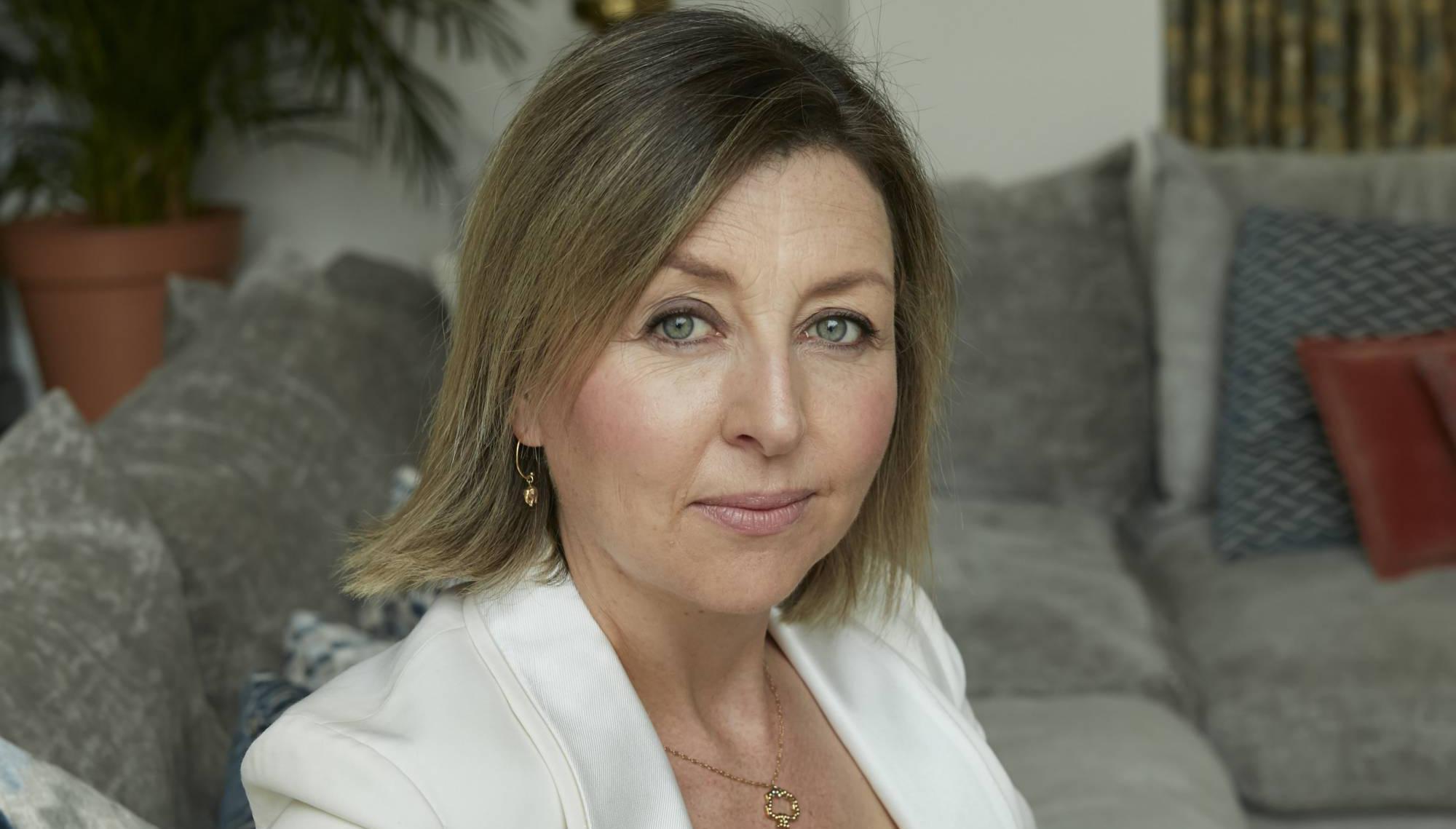
Picture: Bríd O'Donovan
Have you noticed how dark it is since the clocks have gone back? Most mornings I wake up it feels like the middle of the night. By five o’clock in the evening, it’s dark again.
I’m not one of those people who gets up at the crack of dawn to get their steps in before work, but I have plenty of friends who do.
They are currently in the process of changing their exercise routines and habits to adjust for the shortened daylight hours. Why? Because they don’t feel safe walking or running once darkness falls.
Adapting our routines to the daylight hours is one of the ways women can make ourselves feel a little safer.
I’m at a stage of my life where I’ve almost given up alcohol completely and so will often drive when I’m going for a night out.
I plan ahead where I will park — somewhere central, busy, and well-lit — and I usually pay a premium for this privilege.
And that’s OK by me. It’s a small price to pay and I’m lucky I can afford to pay it.
As a result, I get to turn down the dial on the scared, insecure feelings that are so often part of making our way home from a night out.
This might make some people laugh. It sounds a bit silly I suppose, a grown woman being scared of the dark, worried about how she will get home safely, but I don’t think I need to explain why this might be.
I spoke to a friend recently who likes to run marathons and trains at all hours of the day and night, in darkness and in daylight.
We were walking in a local forest and she commented how nice it would be for her to run there. I was surprised. I wouldn’t dream of going to the forest alone. It’s too isolated.
The times I’ve been there with friends, there are usually only a few other walkers, usually men with dogs. “Would you feel safe coming here on your own?” I asked her.
My friend laughed at me, told me I was being ridiculous.
I don’t think I’m alone, however, in feeling more nervous at this time of the year. I think a lot of women live life with their keys between their fingers and the phrase “text me when you’re home” between their ears.
I grew up in a village in Dublin, which was served by both local buses and the Dart. We mostly got the bus, because it was closer.
The Dart station was situated 10 minutes from the village, down a long and isolated road, with huge houses with electric gates set far back from the road.
The Archbishop’s palace was on that road but I only found this out years later as it was hidden behind high walls.
When I got a weekend job in the city centre as a teenager, I started taking the Dart because it was so much quicker than the bus but I stopped after a few encounters with a man who liked to expose himself to teenage girls like me.
After that, I changed my routine, got up a little earlier and took the longer journey on the bus via the safer route through the housing estate. It was inconvenient, but it was worth it not to feel scared.
It’s easy to understand why women adapt their routines during the dark winter months or even give up their exercise routines completely — an estimated 50% of women in the UK stop exercising during winter because they don’t feel safe.
It’s also easy to understand why having to change our routines makes women angry — why should we have to curtail our lives?
But most of us just do it because we’d prefer to feel safe than brave as we look forward to the lighter, brighter months to come.
Having said that, the one time I was assaulted by a man, a complete stranger, was on the street at lunchtime, with plenty of daylight and other people around.
I was on my way to meet friends for lunch, walking along the canal between Baggot Street and Leeson Street.
I heard heavy footsteps behind me, then a blinding pain in my shoulder and the next thing I knew I was on the ground.
A very tall, and well-dressed perfectly civilised-looking man had punched me so hard that he knocked me down.
I watched from the ground, stunned, as he jogged on for maybe 20 feet, before slowing to a normal walking pace. He strolled past a group of people, they looked like tourists.
They smiled at him. He didn’t look back at me once. He knew instinctively (or perhaps from experience?) that I wasn’t going to pursue him.
Maybe it’s not the shortened hours of winter after all that are the biggest threat to women.
Perhaps it’s a different kind of darkness that makes us feel unsafe all year round.