Séamas O'Reilly: Words way heavy in times of war, but silence on Gaza not the answer
"At every stage of the conflict, we’ve read bowdlerised accounts of Israel’s assault on Gaza, some of which only make sense if one considers all Palestinians responsible for the horrors done by Hamas, and Israel’s actions, and intentions, infallibly noble."
Séamas O'Reilly: Words way heavy in times of war, but silence on Gaza not the answer

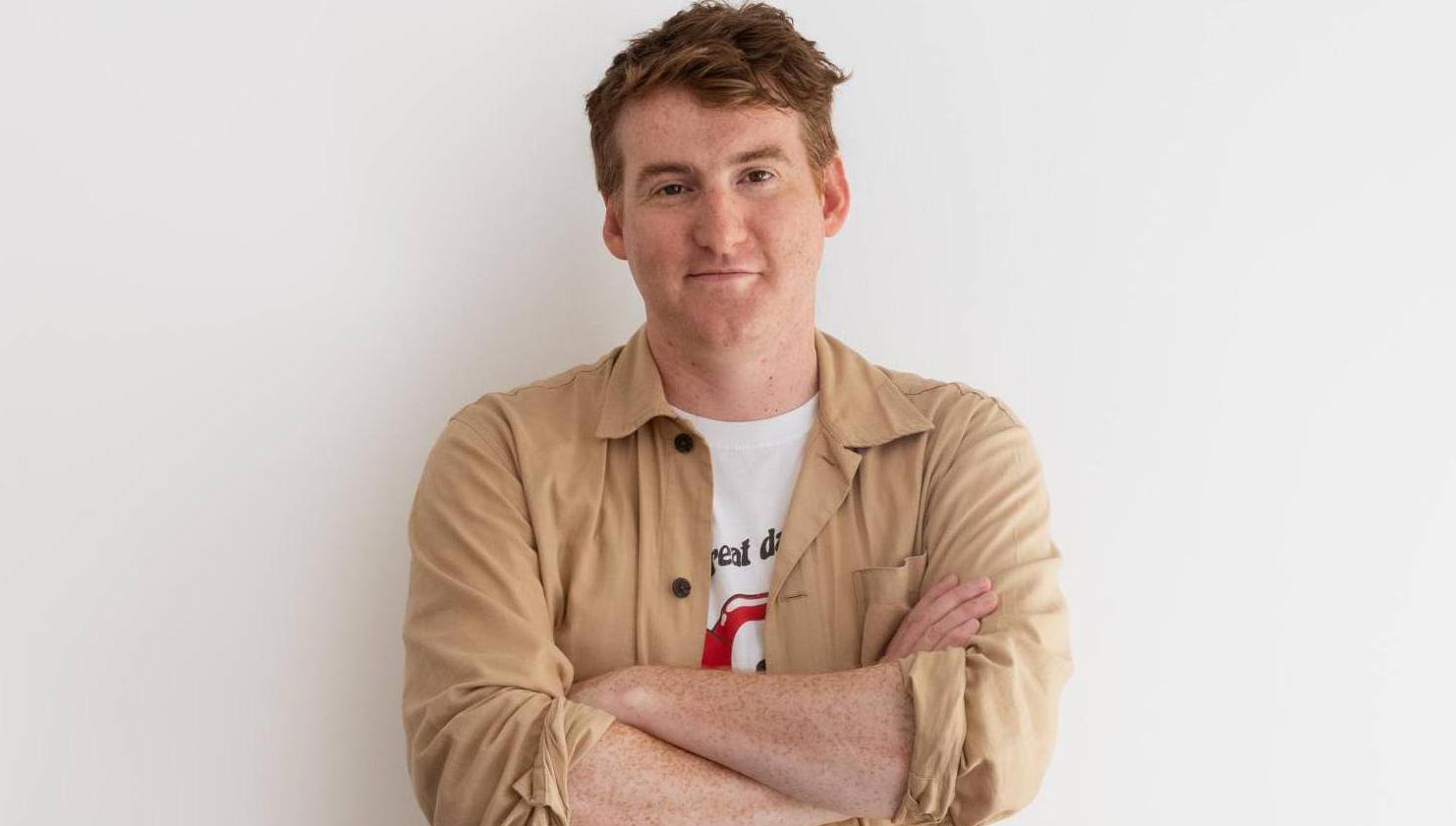
Séamas O'Reilly. Picture: Orfhlaith Whelan

One of the things you learn very quickly when you write for money is to choose your words carefully. 

My book went through nine drafts, each comprising smaller and smaller changes to the last. 

The second draft chopped out whole chapters, re-ordered those that remained, and added a few more; the last only changed a hundred or so words out of 70,000 and sent some surplus commas to their graves. 

By the time this ultimate version was sent for its final copy-edit, I felt like I’d machine-tooled my book into a shining, perfect tome of literary brilliance. 

Never in the history of the written word, I thought, had any writer so lucidly expressed themselves at such length.

A few days later, among many other corrections, the proofer reported that I’d twice confused the number of siblings I have, misworded the phrase which forms the book’s title and, in a lapse that stunned even me, spelled my own name wrong several times (omitting the fada in Séamas, if you must know). 

Even when those errors were caught, the published book contained several more that slipped through even that final sieve; as you may have noticed if you read it and encountered the character whose name changes multiple times in the last chapter.

There are, of course, more solemn reasons to choose your words carefully, and I try to abide by those too. 

In the face of horror and war, it’s correct to think about the effect any statement will have before you make it, and whether you know enough to comment. 

Just as important is the impulse to wonder whether your point of view is important in the first place and whether you should let those affected do the speaking for themselves.

In the past three weeks, it’s been hard to trace a path through the harrowing accounts coming from Israel and Gaza, not least the media’s representation of the conflict for Western audiences. 

The septic mire that is X (Elon Musk’s mid-life-crisis garage band, formerly known as Twitter) has been very nearly unnavigable, as videos of atrocities jostle for attention with statements from people praising said atrocities, or saying that they never happened at all. 

The blue tick, stripped of any meaning beyond its new status as a 99% accurate indicator of unpleasantness, has rendered the process of sorting fact from fiction even more of a chore, a situation not helped by established legacy publications failing to reflect the reality of events on the ground.

It’s here we must return to word choices. On October 31, the New York Times reported: “Israel hit a dense Gaza neighbourhood, saying it killed a Hamas leader. A nearby hospital reported many deaths.” 

The same day CNN reported, “an IDF attack caused the massive blast at Gaza’s largest refugee camp that has reportedly left many people dead and injured”. 

If you feel mildly confused reading either of those headlines, you’re right. 

The use of the passive voice stretches not just the boundaries of decency, but the formal limits of the English language. The problem here is not so much these organs failing to choose their words, but rather choosing them all too carefully.

In each, the agency of the aggressor is placed between so many clauses that it loses all meaning, or else removed entirely. 

These are not unique examples, nor the most glaring, but they’re symptomatic of a wider failure on the part of Western media to speak plainly about what is happening in front of our eyes. 

At every stage of the conflict, we’ve read bowdlerised accounts of Israel’s assault on Gaza, some of which only make sense if one considers all Palestinians responsible for the horrors done by Hamas, and Israel’s actions, and intentions, infallibly noble. 

This coverage seems unmoored from either the statements of the Israeli government itself — which has used baldly exterminationist rhetoric about not just Hamas but Palestinians as a whole — or the events we have all witnessed unfolding in real-time.

The above-referenced attack on the Jabalia refugee camp was a war crime. As was the attack on another camp in Jenin in the West Bank the previous day. 

Dozens of schools, hospitals, mosques and churches have been bombed, all in contravention of international law. 

Aid, medicine, and water have been blocked from reaching civilian populations, in contravention of international law. 

Both Human Rights Watch and Amnesty International have concluded that the IDF has used white phosphorous in populated areas, again in contravention of international law. 

Acknowledging these events does not require a nuanced knowledge of middle-east politics, or an advanced understanding of military ethics. 

It does not require that you support the atrocities of Hamas, or the kidnap and murder of over a thousand, innocent Israeli men, women and children. 

It simply requires that one values all human lives equally, and has access to the text of the Geneva Convention.

As Scotland’s First Minister, Hamza Yousuf, pleads for the safety of his family members in Gaza, the UK’s government and right-wing press have painted pro-ceasefire demonstrators who gathered in their hundreds of thousands last weekend, as defenders of Hamas’ repugnant deeds, with Home secretary Suella Braverman calling their events “hate marches”. 

The Labour Party has offered either vocal or tacit support for every Israeli action thus far, and refused to endorse a ceasefire. 

This position becomes more patently absurd when one considers that the most recent YouGov poll places UK support for that very ceasefire at 76% of the British public.

It behoves us, therefore, to speak louder. There are good and important reasons to choose your words carefully, but still they must be spoken. 

When we look back on the coverage of this conflict in the future, there will be space to decry the frothing lunatics on online platforms, sewing misinformation and chanting hatred from both sides. 

But we must also examine the coverage that was offered by those who buy ink by the barrel, and judge them by the weight, and cost, of their words.

x

More in this section

Lifestyle

Newsletter

The best food, health, entertainment and lifestyle content from the Irish Examiner, direct to your inbox.

Cookie Policy Privacy Policy Brand Safety FAQ Help Contact Us Terms and Conditions

© Examiner Echo Group Limited