Wine with Leslie: Aromatic wines you won't soon forget

Wine glasses are curved is to trap the scents, you need a glass with a curved rim to get the full sensory experience. Picture: iStock

Wine is a sensory pleasure and the wines we appreciate most have a combination of elements that make them pleasurable, not just their taste but how they react physically with our mouth and our body in general, and the memories and emotions they invoke.
And all of these characteristics are most influenced by our sense of smell, by far the most important sense when appreciating a glass of wine.
We can taste just a few things — between five and 20 depending on the research you read (fat and metal are sometimes considered separate tastes). But we can distinguish tens of thousands of aromas, possibly millions or even trillions. Somehow when we perceive aromas the sensors in our nose send messages directly to our forebrain which also deals with basic functions like body temperature and emotions; all other sense perception must travel through the thalamus to be interpreted.
Smell is stored in long term memory, so what we smell (and taste) influences our emotions and wellbeing (cf Proust’s madeleines). When we taste wine we also re-smell it as we exhale, so when we taste perhaps cherries or blackberries a lot of the hard work in creating that taste is done by our olfactory system given our taste buds which can only really perceive sweet, sour, salt, bitter, and umami (savoury) flavours.
No research has yet explained exactly how we perceive smell, the shape of molecules, in part or whole, is the main theory but vibrations at the atomic level may also play a part (cf Luca Turin).
The reason a wine glass is curved is to trap the scents, you want a large surface area in your Burgundy glass and ditch those Champagne flutes, you need a glass with a curved rim to get the full sensory experience.
Below are three wines and a beer with fascinating aromas to try.
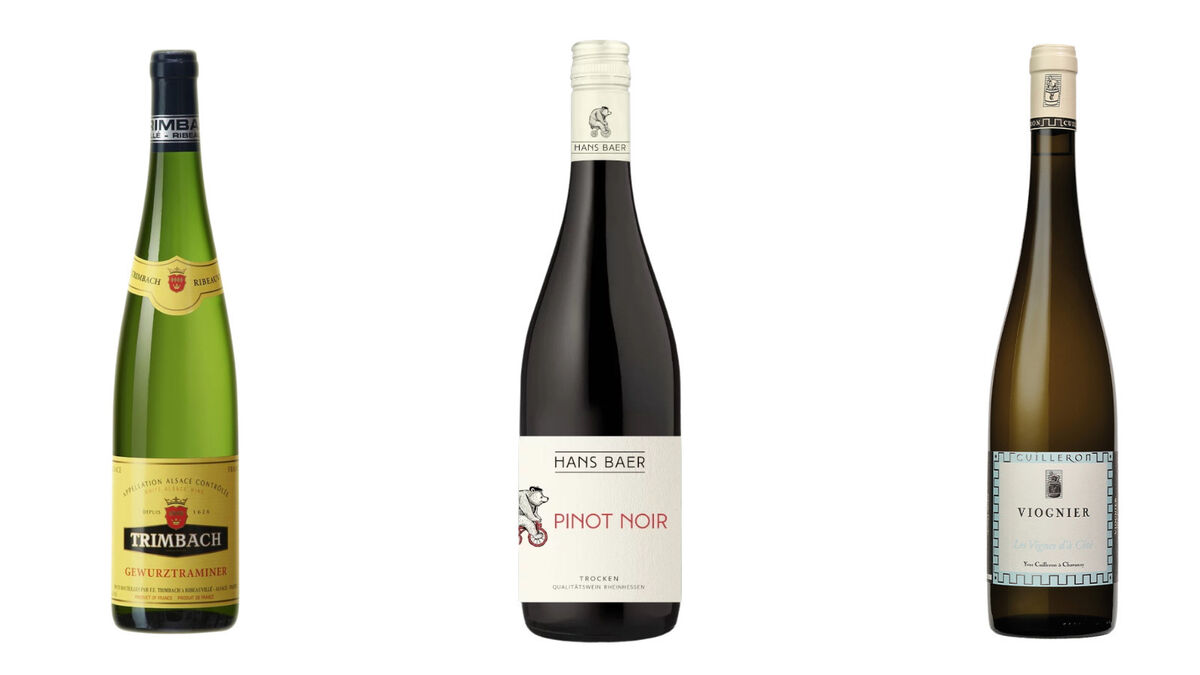
Pinot Noir is loved for its lightness of touch and its lively red fruit flavours but the reason we love it most is because of its gorgeous aromas that bring to mind summer fruits like raspberry, cherry and strawberry with an intriguing earthy background. This light juicy version is simpler than most but still hugely pleasurable with lively dark cherry and pomegranate fruits.
- JJ O’Driscolls; Vintry; McHughs; World Wide Wines; thenudewineco.ie; independents
Cuilleron is renowned for his expressive whites as much as for his dark fruity reds. This is from a single plot of vines next to (á coté) more famous sites and not far from Condrieu. Heady, intense apricot and peach aromas (both yellow and white), floral and concentrated. A ripe, lush palate with tropical notes and enough acidity to keep things in balance. Delicious.
- L’Atitude 51; Woodberry Galway; Sweeneys.ie ; Le Caveau Kilkenny; lecaveau.ie ; Nudewineco.ie
I adore the exotic, heady scents found in a glass of Alsace Gewürztraminer; rose petals, Turkish delight and lychees come to mind. Trimbach’s version is benchmark and I love its weight and texture on the palate, the tropical fruit flavours that come through in the mouth and I love how this wine interacts with aromatic dishes from Thailand or Sichuan.
- Bradleys; O’Briens; Wine Centre; 64 Wines; McHughs.ie ; TheAllottment.ie
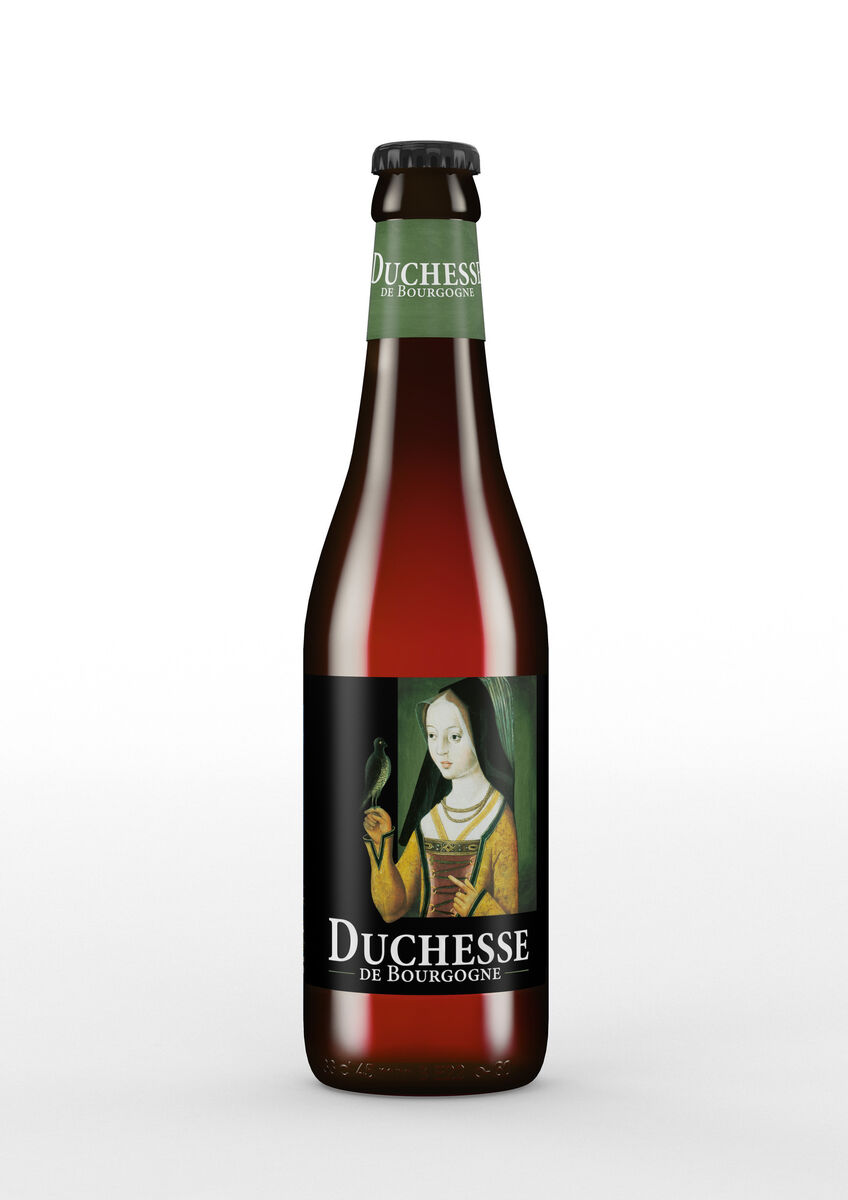
A classic Flemish (Belgian) red-brown ale created by blending an eight-month-old ale with an oak-aged 18-month-old ale. This pours a dark red-brown with a light, fluffy head and a distinct sour cherry lambic aroma. Sweet-sour on the palate with a delightful red fruit tang, texture, light tannins and lingering zingy acidity. A fine introduction to sours and to the funkier styles of Belgian beer. Delicious.
- O’Briens; Bradleys