Food resolutions that just might stick
Ditch self-denial and embrace more sustainable goals in 2026 to add big flavour and vital nutrition to your diet
Food resolutions that just might stick

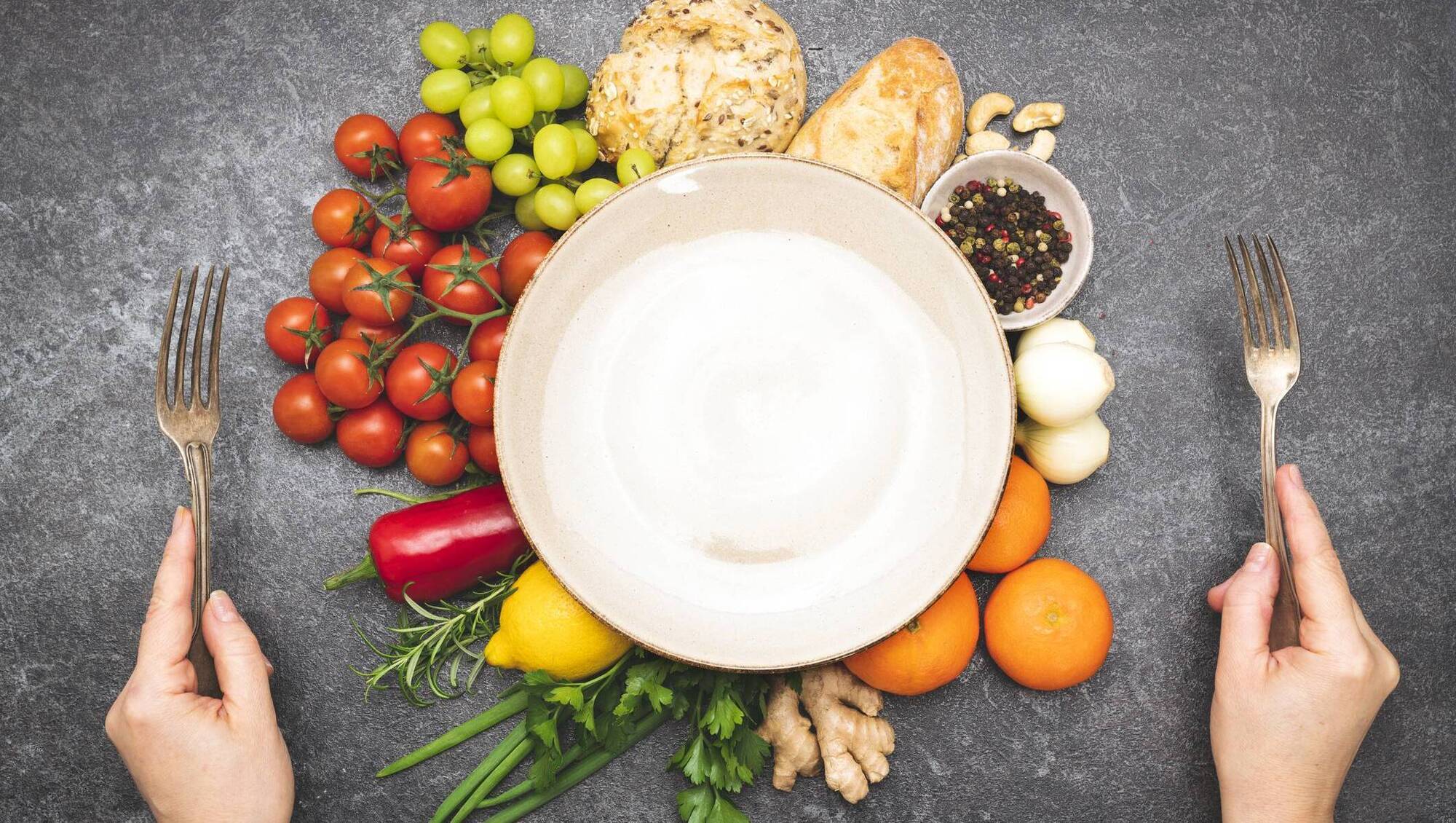
Focus on sustainable goals, such as adding more fruit and veg to our diets. Picture: iStock 
EVERY year at about this time, exhausted from a surfeit of Christmas cheer, many of us get ambitious with our self-improvement resolutions. They often focus on the kind of things — giving up chocolate and alcohol — that are bound to be abandoned after a couple of weeks.

But what if we took a different approach to 2026? What if we decided to ditch the self-denial and worked on embracing more sustainable food goals that will broaden our minds, our palates, and the nutritional content of the food that we eat?

Stir up some Irish-grown oats, bake a loaf of bread, try a new vegetable, incorporate beans into something surprising, and eat joyfully for 2026. The best kind of resolutions let us explore the world around us, one delicious, nutritious bite at a time.

Choose a better breakfast

According to the Irish Nutrition & Dietetic Institute, people who eat breakfast are more likely to have a balanced diet. 

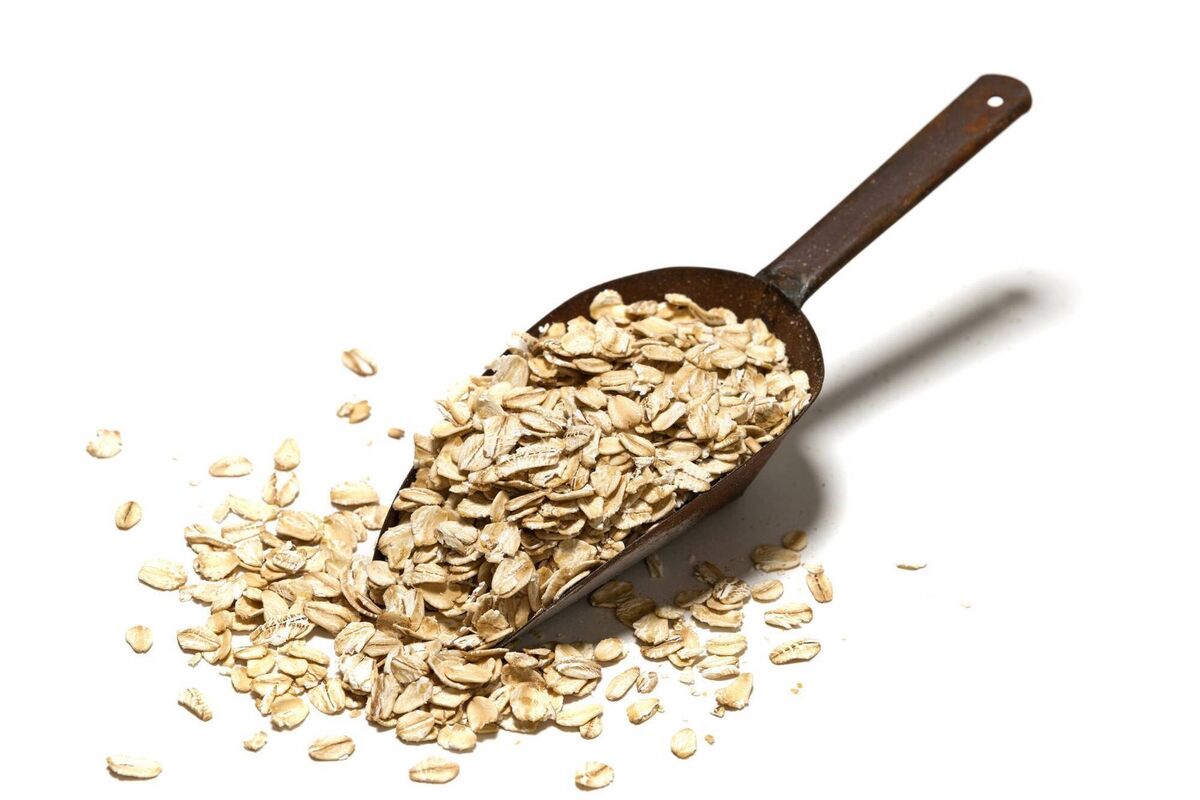
Oats tick all the boxes for a healthy breakfast.

Starting the day off on a nutritional footing pays dividends in the long term as those who eat breakfast every day are less likely to develop metabolic diseases such as type 2 diabetes. What you eat is also important: don’t kid yourself that the bowl of sugar-laden cereal counts as a healthy breakfast, even if it does include milk.
According to the research, consuming breakfast foods high in whole grains and cereal fibre improves our metabolic health.

Oats tick all those boxes. They’re a high-fibre wholegrain, with the added benefit of being rich in cholesterol-lowering beta-glucan fibre, and are successfully grown at scale here in Ireland. 

Add Irish oats to your breakfast menu and choose from the long-established Flahavan’s in Co Waterford, running now for almost two-and-a-half centuries, or pick from something newer: Kilbeggan Organic Porridge Oats in Westmeath, Stradbally’s Merry Mill, or Cotter Farm in Cork.

January is the perfect time for a warming bowl of porridge or a hearty dish of baked oats. Serve with a dollop of natural yogurt, scatter some seeds and nuts on top, and you’ll be nourished and satisfied until lunchtime.

Bake your own bread

Two months ago, ultra-processed foods (UPFs) hit the headlines — again — with the publication of a series of articles from international experts in The Lancet warning that UPFs are “a key driver of the escalating global burden of multiple diet-related chronic diseases”.

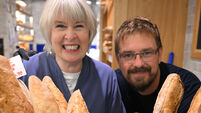
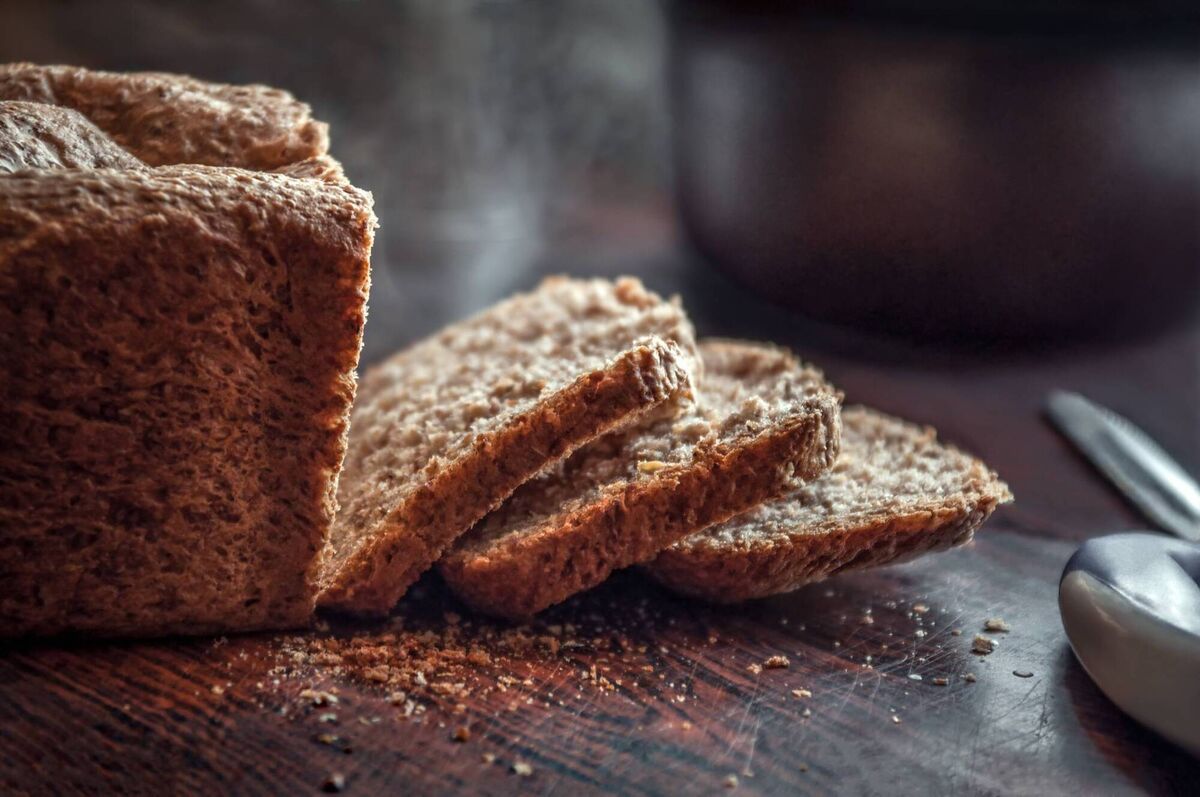
Baking bread is a resolution we can keep because it doesn't have to be complicated. 

Before the Irish Government policy catches up with the research, we can make small changes ourselves. Baking bread is the resolution that keeps on giving, and it doesn’t have to be complicated. 
Mixing a simple loaf of soda bread for a weekend lunchtime or baking some puffy pittas to accompany soup for dinner takes only a little longer than updating your social media feed, and there’s a great satisfaction in putting something on the table that you can name all the ingredients for. Before you know it, you’ll have progressed on to easy yeast loaves, homemade bagels, and savoury cornbread.

Get a cookbook and bookmark a new recipe a week to try — Darina Allen’s The New Ballymaloe Bread Book is excellent.

Eat more plants

Almost 20 years ago, American journalist Michael Pollan coined a famous phrase: “Eat food. Not too much. Mostly plants.”

It’s a mantra that still has power to cut through confusing dietary advice, focusing on what you eat — real, unprocessed food — in moderation, while advocating a plant-rich diet that moves meat out from the centre of the plate. You don’t have to be a vegetarian or vegan to eat more plants, you just have to think outside the traditional Irish meat-and-three-veg meal.

After all the rich, meaty Christmas dishes, it’s no hardship to add a few veg-focused meals into the daily dinner rotation. For inspiration, sign up for a veg box delivery — Waterford-based social enterprise GIY assembles boxes of fresh seasonal vegetables from the GIY Farm for nationwide delivery (giy.ie, €25). Find new recipes to make the most of the best in season with books such as The GIY Diaries and Grow Cook Eat from GIY founder Michael Kelly.

Give peas a chance

Humble cupboard heroes with a nutritional heft, peas, beans, and lentils prove that the best of things come in small packages. 

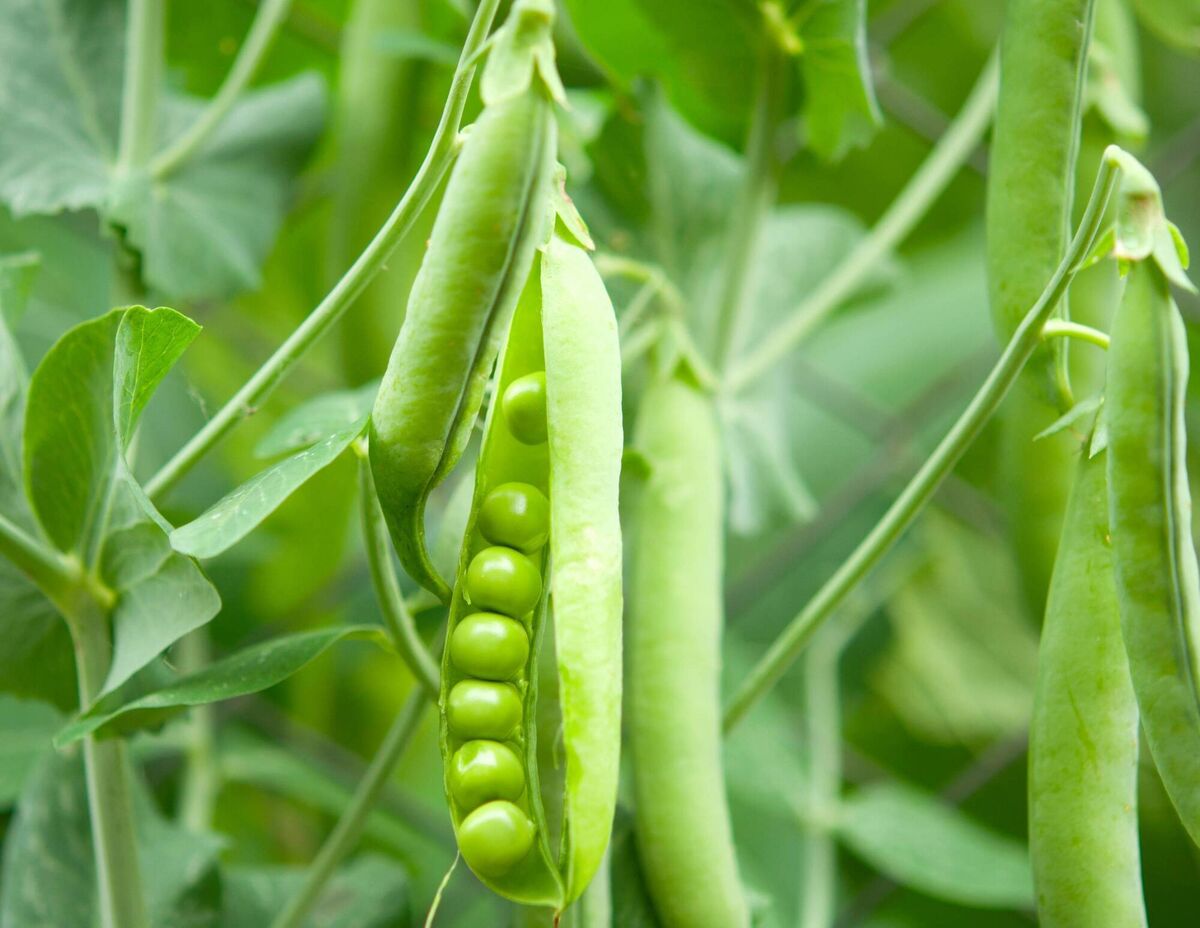
Peas are a healthy, versatile option — and they're delicious.

Rich in plant protein, complex carbohydrates, and dietary fibre, these legumes are also good for the environment: beans enrich the soil by converting atmospheric nitrogen into a plant-usable form, reducing the need for fertilisers. They’re also filling, good value, and — most importantly — delicious.

The international Beans is How campaign, working towards achieving the UN’s second Sustainable Development Goal of zero hunger, aims to double bean consumption worldwide by 2028.

We can get ahead of that by checking out the new cookbook Beans by Cork chef and food advocate Ali Honour, which will be published on January 29. Honour, who recently collaborated with Wexford sustainable chocolatiers Bean & Goose to make brownies, adds beans to dishes from salads, pancakes, and stews to muffins and brioche buns.

Find @honouryourfood on Instagram for new ways to incorporate beans into your daily diet.

More in this section

ieFood

Newsletter

Feast on delicious recipes and eat your way across the island with the best reviews from our award-winning food writers.

Cookie Policy Privacy Policy Brand Safety FAQ Help Contact Us Terms and Conditions

© Examiner Echo Group Limited