Seafood Made Simple: My secret for a perfect sweet and sour dish
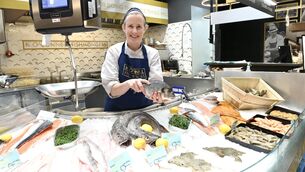
Aishling Moore: I’m using ling, a member of the cod family for this recipe. Picture Chani Anderson
Sweet and sour was one my favourite dinners as a child; and one I still crave now as an adult. Its form was either in a jar poured over some stir-fried chicken and vegetables or, if I had my way when ordering a takeaway, in a Styrofoam cup, fit for dipping.
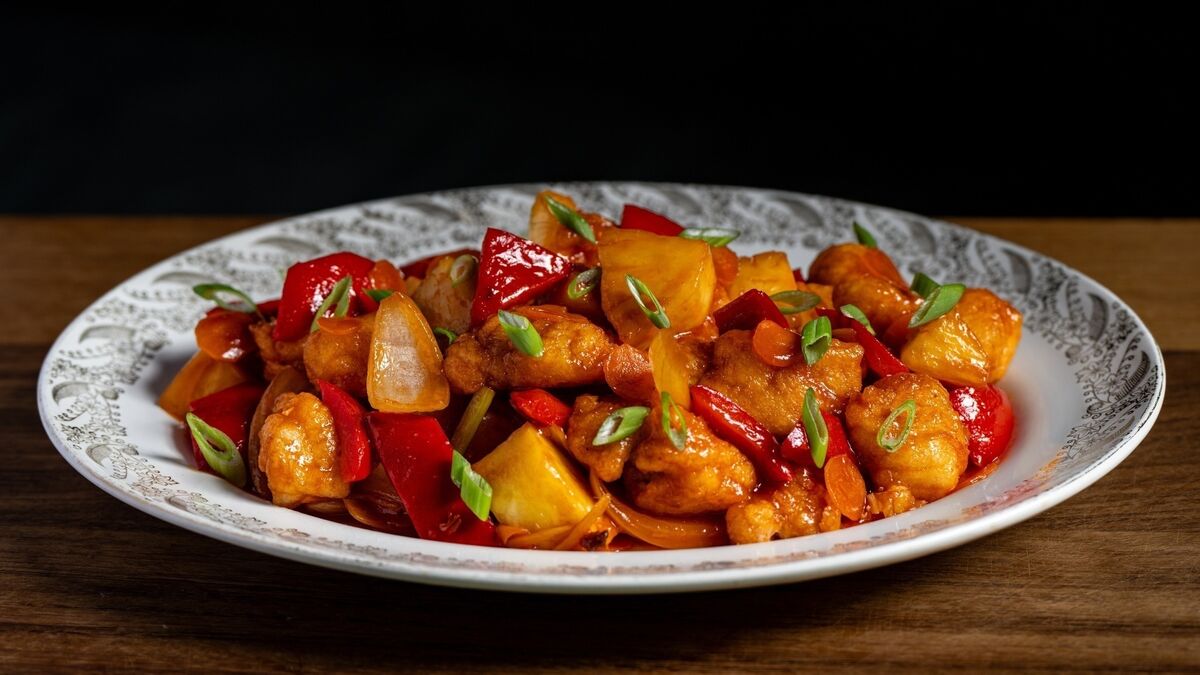
Sweet and sour ling
This dish would also work with diced chunks of monkfish, cod, and pollock.
Servings
4Preparation Time
5 minsCooking Time
15 minsTotal Time
20 minsCourse
MainIngredients
450g ling, skinned and diced
1 egg white
120g potato starch
½ tsp fine sea salt
2 tbsp rapeseed oil
1 small onion. sliced
1 thumb-sized piece ginger, finely sliced
1 small carrot sliced in rounds
1 bunch scallions, white part cut into 3 cm batons, greens reserved for garnish
1 red bell pepper, cut into chunks
½ a pineapple, cut into chunks
60g honey
60ml red wine vinegar
100g ketchup
1 tbsp soy sauce
Method
For the sweet and sour vegetables: Heat a large heavy-based pot or wok on medium-high heat.
Add the rapeseed oil and cook the onion, ginger and scallion batons for 2-3 minutes. Stir all the time, you don’t want to develop any colour on the vegetables.
Add the diced pepper and pineapple and cook for 2 minutes.
Next add the honey and cook for 1 minute on high heat to allow to caramelise slightly.
Pour in the red wine vinegar and boil to deglaze.
Add the ketchup and soy sauce and mix to combine, coating all the vegetables in the sauce. Keep warm and set aside while preparing the fish.
To cook the ling: In a medium bowl, whisk the egg white until frothy.
Add the ling and mix to coat well.
In a separate medium bowl, add the potato starch and fine sea salt and mix well.
Next, working in batches, toss the egg white-coated fish through potato starch, shaking off the excess as you go.
Place on a large plate on a baking tray.
Preheat a deep fryer to 180°C.
Again, working in batches, fry the fish until crisp and cooked through. This will take approximately 2 minutes. Drain on kitchen paper to remove any excess oil.
To serve, add the crisp cooked chunks of ling to the sweet and sour vegetables. Toss to coat the pieces of fish in the sauce.
Arrange on a large platter sharing-style, sprinkle with the reserved scallion greens and some egg fried or boiled rice to accompany.
The cooking in this recipe happens quite quickly, so make sure you have all your ingredients prepared as per the recipe before you begin.
Here I’ve used a red wine vinegar, to achieve that recognisable shade associated with sweet and sour. You could use just about any vinegar; this recipe works particularly well with apple cider vinegar.
Sometimes I’ll add a little cider to this sauce.
If you’d rather not use the deep fryer, you could shallow fry the pieces of ling in a large heavy-based frying pan in a couple centimetres of flavourless high smoke point vegetable oil.
Alternatively, you could avoid both coating and frying the fish and add simply the diced fresh fish to the sauce to cook through.
If you are wary of preparing the fish, ask your fishmonger to skin and dice the fish for you.