How to bake a modern Christmas cake if you find traditional cakes too rich
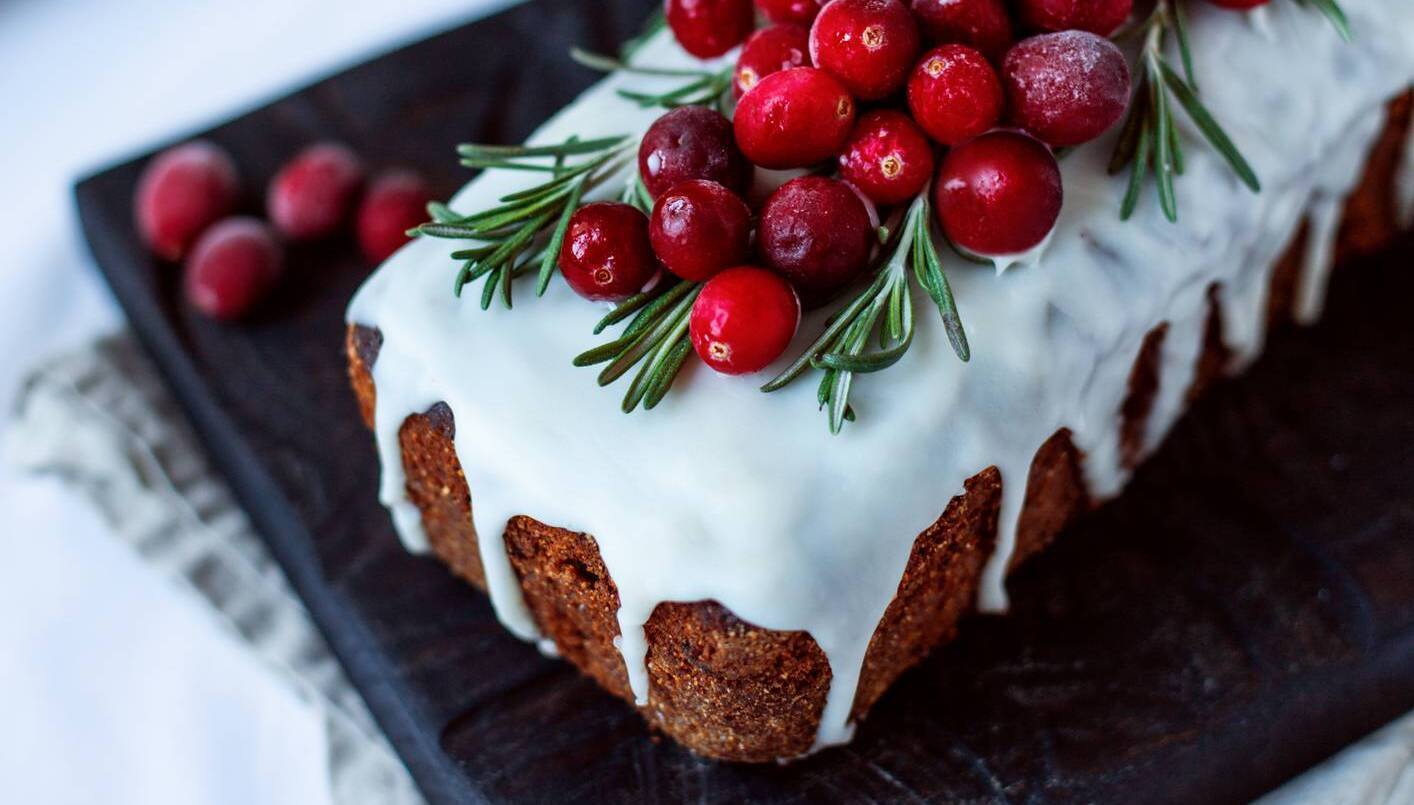
For those in your life who may not enjoy the richness of Christmas cake or pudding there are lighter alternatives.
Modern Christmas cake
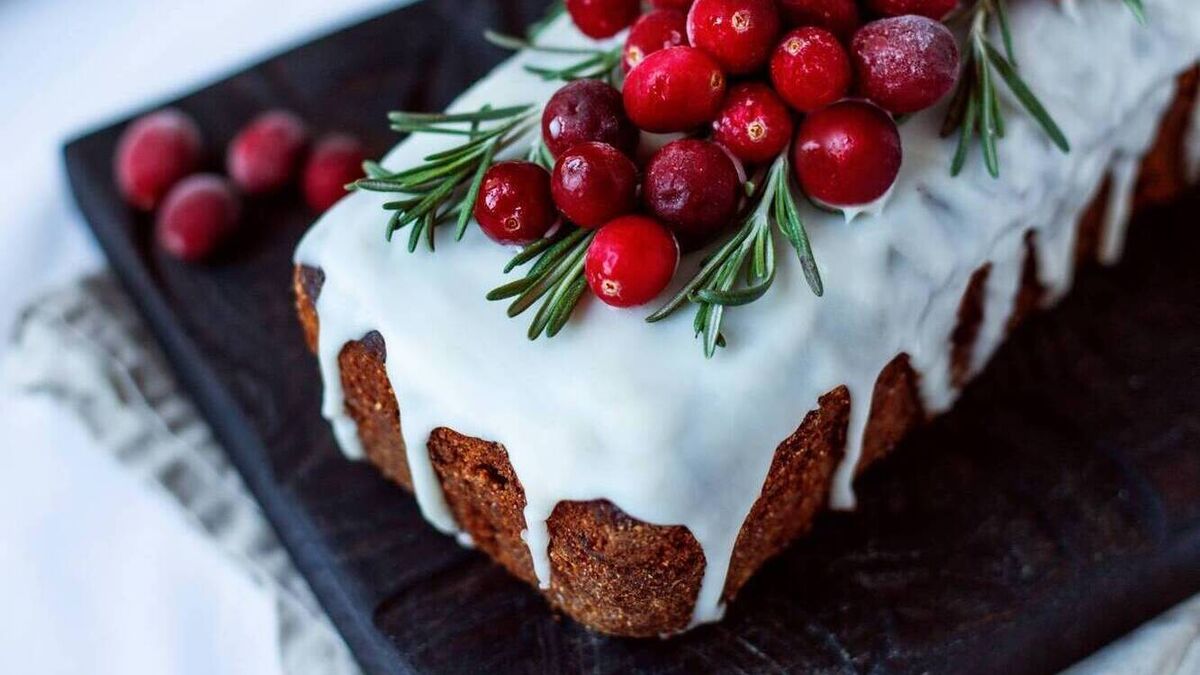
This loaf looks and feels very modern, can be adapted with different fruits of your preference, and it can also be made in advance and defrosted the morning you would like to serve it.
Servings
8Preparation Time
20 minsCooking Time
50 minsTotal Time
1 hours 10 minsCourse
BakingIngredients
140g soft butter
140g golden caster sugar
3 eggs, lightly whisked
1 tsp vanilla extract
220g self raising flour
Zest 2 lemons
30g mixed candied fruit peel
140g golden raisins
1 tbsp squeezed orange juice
For the icing
300g icing sugar
¾ tbsp water OR lemon juice OR orange juice
Method
Preheat your oven to 170ºC/gas mark 3
Line a 2 lb loaf tin with parchment
Beat the butter and sugar in a large bowl until light and fluffy.
Stir the vanilla into the lightly beaten egg.
Slowly add the eggs to the butter mixture. Use a spatula to scrape around the edges and base of the bowl a few times as you do. If you have any butter mixture that is not combined with the egg your cake will dome up unevenly and split on the top.
Sieve the flour into the mixture and combine completely.
Toss the raisins in a little flour to help stop them sinking.
Add in the candied peel, raisins and the orange juice to the cake mixture and combine.
Scoop your batter into the prepared tin.
Bake for about 50 minutes until the cake is golden on top and a skewer comes out clean.
Once cool enough to handle, remove the cake from the tin and place on a wire rack to cool completely.
To make the icing stir the liquid you choose into the icing sugar. You may need a little more to make a smooth but not runny paste. It is best to add this a drop at a time. Using lemon juice will give you a very tangy finish and orange a milder version. You can use a combination of the two or keep to plain water if you like. Water will give the whitest finish.
Decorate with your choice of garnish to impress at the Christmas table.
To ensure your loaf rises properly check the expiry date on your self-raising flour. If the flour is old the power of the raising agent within will have diminished, and it will not react in the oven to create air bubbles. Flour must be stored in a cool, dry place. A humid environment can also hinder the effectiveness of the raising agent.
The temperature of your oven can be another factor affecting the rise in your loaf. The temperature gauge on some ovens is not that accurate and the oven can often be either hotter or cooler than you think. If the seal is damaged on the door of your oven, for example, it will let the hot air out and change the temperature quite a bit. The best way to get around this is to invest in a separate oven thermometer.
Opening the door of an oven as a cake bakes can also affect the rise. If the loaf is very dense and heavy it may have been over mixed.