Michelle Darmody: How to bake the perfect savoury shortcrust pastry for quiches and pies
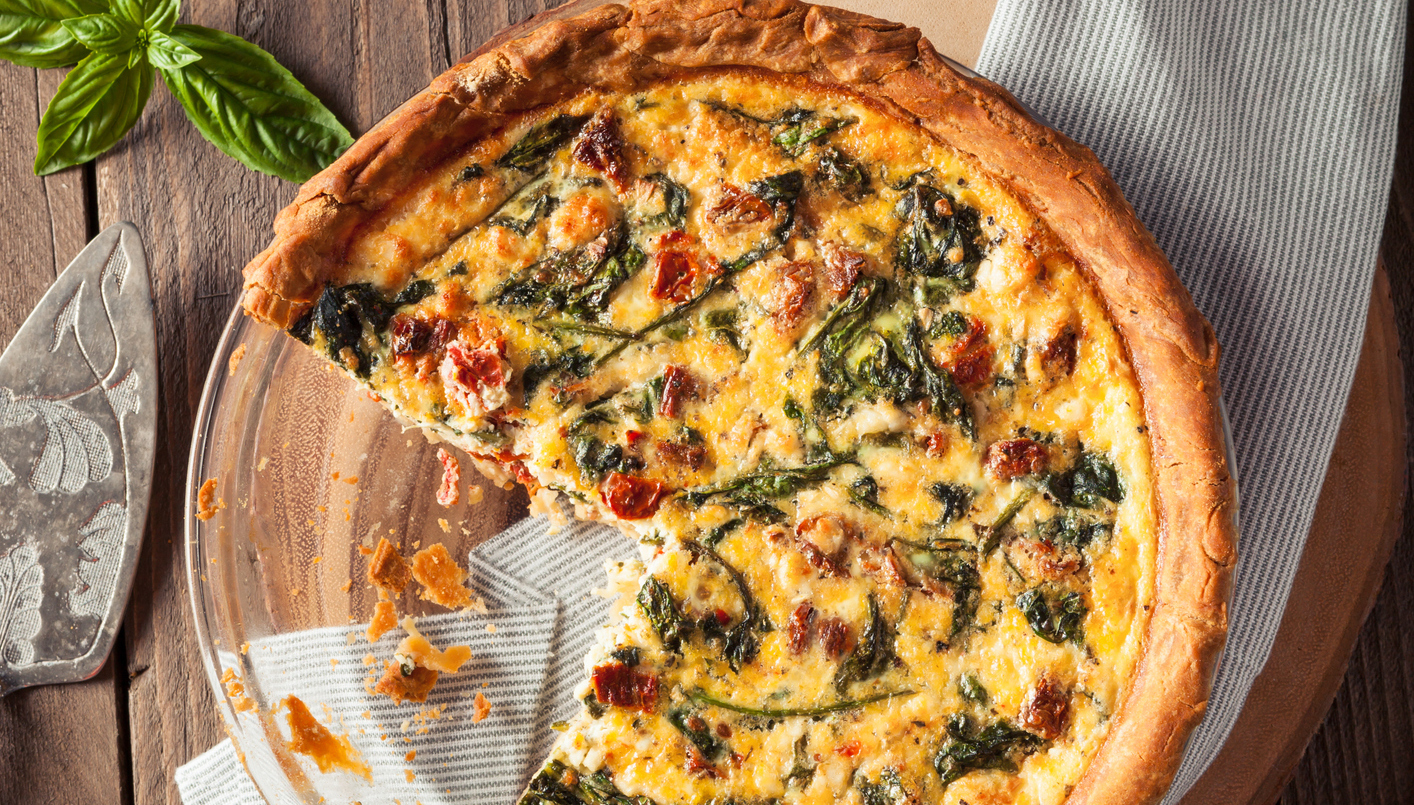
This buttery pastry makes a lovely cap for a steak and kidney pie or can be used to envelop vegetables in a pasty.
Sweet and savoury shortcrust pastry share the same basic principles, but the ingredients vary.Â
There is no sugar or egg in the basic savoury shortcrust recipe which is included here. It is made with salt and cold water instead. Other savoury pastries tend to be flaky such as puff or filo but the combination of butter and flour in shortcrust gives it a crumbly yet robust texture.Â
This robustness allows you to make heavier pies and tarts which can be fully packed with wet ingredients. As with the sweet pastry from last week's magazine, keeping the savoury pastry as cold as possible is still one of the most important aspects. I ensure the butter is very cold and cut into small cubes before rubbing it into the flour. Similarly, I use very cold water.
A savoury shortcrust recipe is a good one to have in your repertoire as it can be used for a variety of quiches and pies. This buttery pastry makes a lovely cap for a steak and kidney pie or can be used to envelop vegetables in a pasty.
Savoury shortcrust pastry
A savoury shortcrust recipe is a good one to have in your repertoire as it can be used for a variety of quiches and pies.
Servings
10Preparation Time
40 minsCooking Time
39 minsTotal Time
1 hours 19 minsCourse
MainIngredients
150g of plain flour
a pinch of fine sea salt
75g of cold butter, cut into small cubes
about 1 tbsp of cold water
for the glaze:
1 egg, beaten
for the filling:
190g smoked streaky rashers, remove any tough fat then cut the rashers into cubes
3 eggs
200ml crème fraîche
200mls cream
50g cheddar cheese, roughly grated
½ tsp ground nutmeg
¼ tsp cracked black pepper
a few springs of purple sprouting broccoli, lightly steamed
Method
Sieve the flour and salt into a bowl. Rub the cold butter into flour until it resembles coarse breadcrumbs. Using a fork add the water to bring the pastry together. You may need to add a little more to bind the mixture or a little less. Cover the pastry with baking parchment and leave it to rest in the fridge for at least an hour.
Grease and flour a 9-inch loose base tart tin. You can use the paper from the block of butter to rub the butter onto the tart tin or tear a square of baking parchment and rub a teaspoon of butter onto this. If it is a fluted tart tin, make sure you get into all the crevices. Add a teaspoon of flour into the greased tin and swirl it around so that all of the butter is covered in flour. You can line the base of your tin with parchment if you would prefer, to ensure the quiche comes out easily. If you are using a disc of parchment, make sure to still grease and flour the sides of the tin. Set the prepared tart tin aside in a cool place while you roll your pastry. Preheat your oven to 180ºC/gas mark 4.
Roll the pastry into a disc, about 3mm in thickness, roll it a few cm larger than your tart tin. Gently lift the pastry over the tin and nudge it into place. Do not stretch the pastry. Place it into the fridge for at least ten minutes to firm up again.
Prick the base all over with a fork. Put a disc of parchment paper on top of the pastry and fill this with baking beans or some clean coins. I find metal coins work well as they heat at the same rate as a metal tart tin which ensures that the pastry bakes evenly. The coins not only conduct heat for a good crust, but the weight of them is also good for preventing the dough from bubbling.
Bake the tart case blind for 10 minutes until the edges are just starting to colour. Remove the beans, coins, or whatever you used to blind bake. Be careful when removing coins, because they will be very hot.
Brush the inside of the pastry case with the beaten egg. Place the case back into the oven for another four minutes or until it is golden. Set aside to cool as you make the filling.
To make the filling fry the bacon pieces until they are just about to change colour. Drain any excess fate and set aside. Heat the oven to 170 degrees.
Beat the egg with a whisk until it gets light and foamy. Beat in the crème fraîche and cream. Stir in the roughly grated cheese and the nutmeg as well as the cracked black pepper, add a small pinch of salt.
Sprinkle the bacon onto the base of the pastry case and pour the liquid on top. Dot the broccoli on top of the filling and gently place the quiche into the centre of the hot oven.
Bake for 25 minutes or until the topping is gently set.
Allow to cool in the tin for ten minutes then very gently place it onto a wire rack to cool completely.
- Humidity affects flour the more humid the day the less cold water you will need for the recipe.
- It is best to use a tin that is at least 2 inches deep when making a quiche.Â
- Resting the dough before rolling it out is an important step, and so too is resting it again before you blind bake it. This stops the pastry becoming tough by firming the butter back up it also prevents the pastry from shrinking as it bakes.
- Whisking the eggs well helps to make the filling smooth and custardy.
- Â Your filling will continue to cook after you take the quiche out of the oven. It can be a little tricky to know when exactly to take it from the oven. The edges will be set but the centre should have a slight jiggle when you gently shake the tin.
- While the recipe is very versatile, you can leave out the bacon for example and add in other vegetables if you wish. However, it is best to avoid any ingredient with a very high water-content, such as large slices of raw tomatoes or raw courgettes. They will leak water as they bake and make the filling, and perhaps the pastry, very soggy.
- It is best to allow the quiche to cool completely before cutting. This might be difficult as it will smell so tasty, but it is better if you allow it to cool completely for two reasons, it allows the centre to firm up and also for the flavours to blend.
Adding a handful of very finely chopped herbs to pastry adds colour and flavour. You can add them before adding the cold water. You will probably need a little less water as the herbs contain some moisture themselves.
This is a delicious pastry for a salmon quiche. Add the zest of two lemons to the pastry after the butter has been rubbed in. You can use small pieces of steamed fresh salmon or roughly chopped smoked salmon and dill in place of the bacon.
Pâte à foncer is a French savoury shortcrust pastry that includes egg and is a bit nearer in texture to a sweet shortcrust. To make it with this recipe add an egg yolk in place of the tablespoon of cold water. It will result in a richer pastry. You may need a very small amount of water as well as the egg yolk.
Read More