Wine with Leslie: Busting the myths about organic wine

'I am sorry to say that you are as likely to get a hangover from organic wine as conventional wine.'
This week I want to bust some myths about organic wine. I am sorry to say that you are as likely to get a hangover from organic wine as conventional wine, it depends on how much you drink. ‘Red wine headache’ is likely connected to flavanols found in grapes, whether organically farmed or not.
Yields are lower in organic vineyards by around 20% and costs are 20% higher so expect to pay more. Organic wine contains sulfites as do all wines; if you have a sensitivity you need to seek out wines labelled ‘no added sulfites’. Organic and conventional producers use sulphur at bottling as it keeps bacteria away, however many organic producers use less than you would find in a commercial supermarket wine.
Many organic wines are not labelled as such (it costs more). For a wine to be labelled organic grapes need to be grown without chemical fertilizers or pesticides. Weeds are removed mechanically, and pheromones or natural predators are used to control pests. Organic producers use copper-sulphate sprays to inhibit mildew but some conventional producers would argue this damages the soil more than the steroid inhibitors they use. It is significantly more difficult to farm organically in a humid climate like Bordeaux than say Puglia or Sicily.
Biodynamic farming follows organic principles but also uses prepared tisanes as treatments and has a strong spiritual element based on the philosophy of Rudolf Steiner (e.g. the ‘memory of water’). Biodynamics pays attention to the phases of the moon and days are labelled flower, fruit, root or leaf with different tasks allotted. ‘Natural’ winemakers are organic, often biodynamic, add zero (or very little) sulphur at bottling as well as using spontaneous fermentation instead of cultured yeasts.
In conclusion, organic wine is better for the environment and often tastes better, but not always!
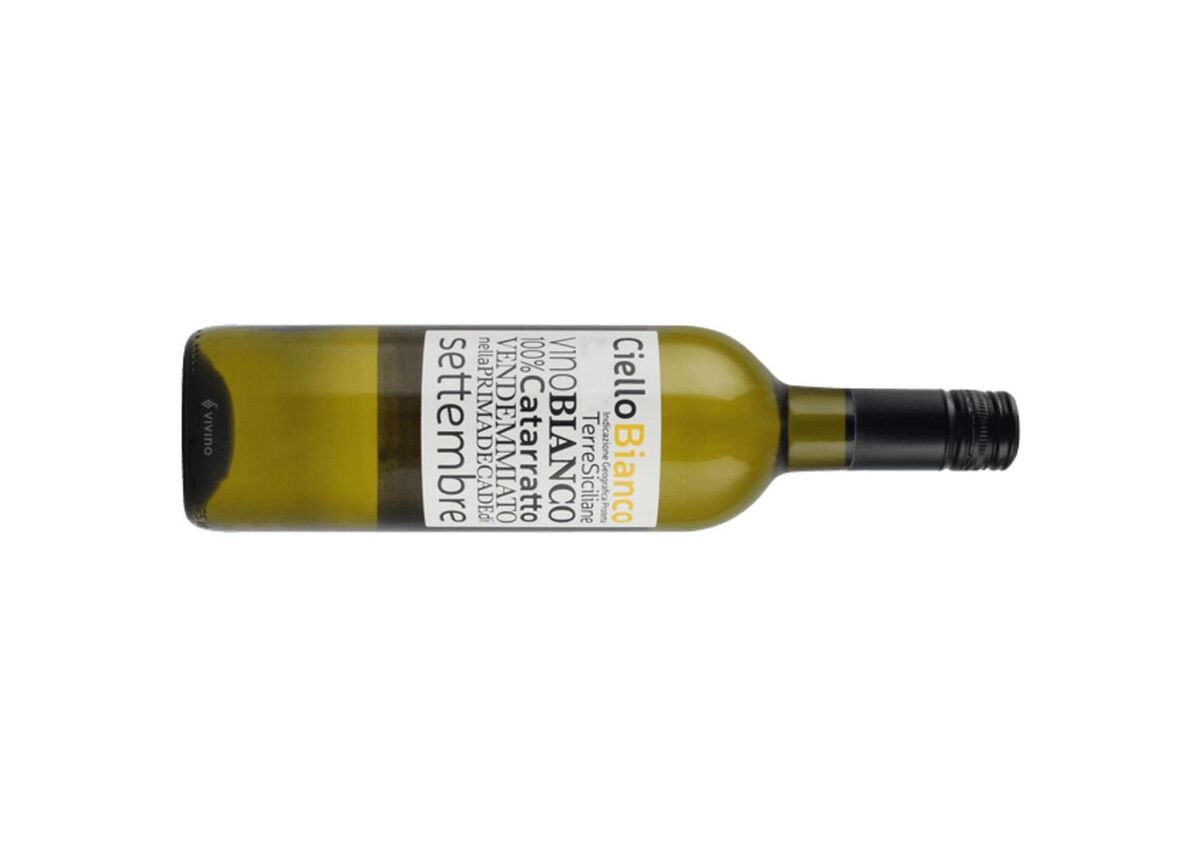
As mentioned above Sicily is an excellent place to seek out good value organic wine, and this producer is one of my favourites. The Ciello Rosso has appeared here at least twice before. White peach and lemon oil scents, soft melon and tropical fruits with herbal notes with a tangy dry finish.
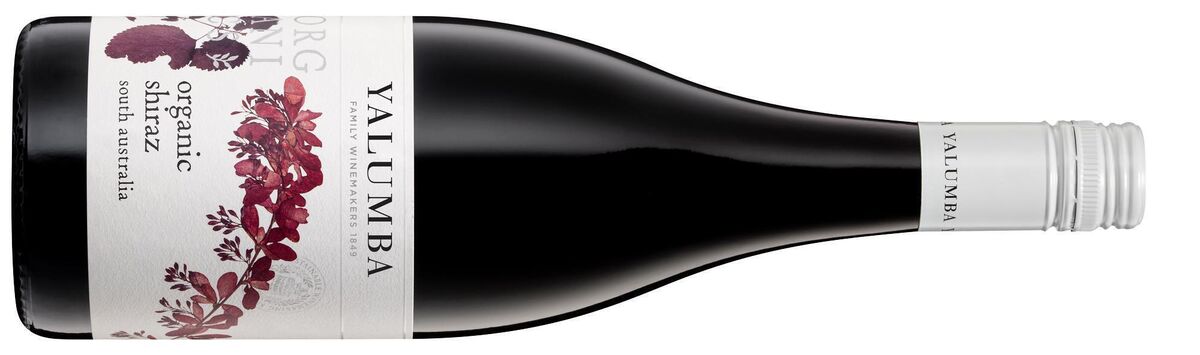
Australia’s National Day is Friday, January 26 so it's time to remind you about Aussie Shiraz which is perfect for the dark cold days of January. Available elsewhere for €18 this is a steal — bright blackberry aromas with a touch of pepper, plum and dark fruit flavours, medium-bodied with elegance and verve.
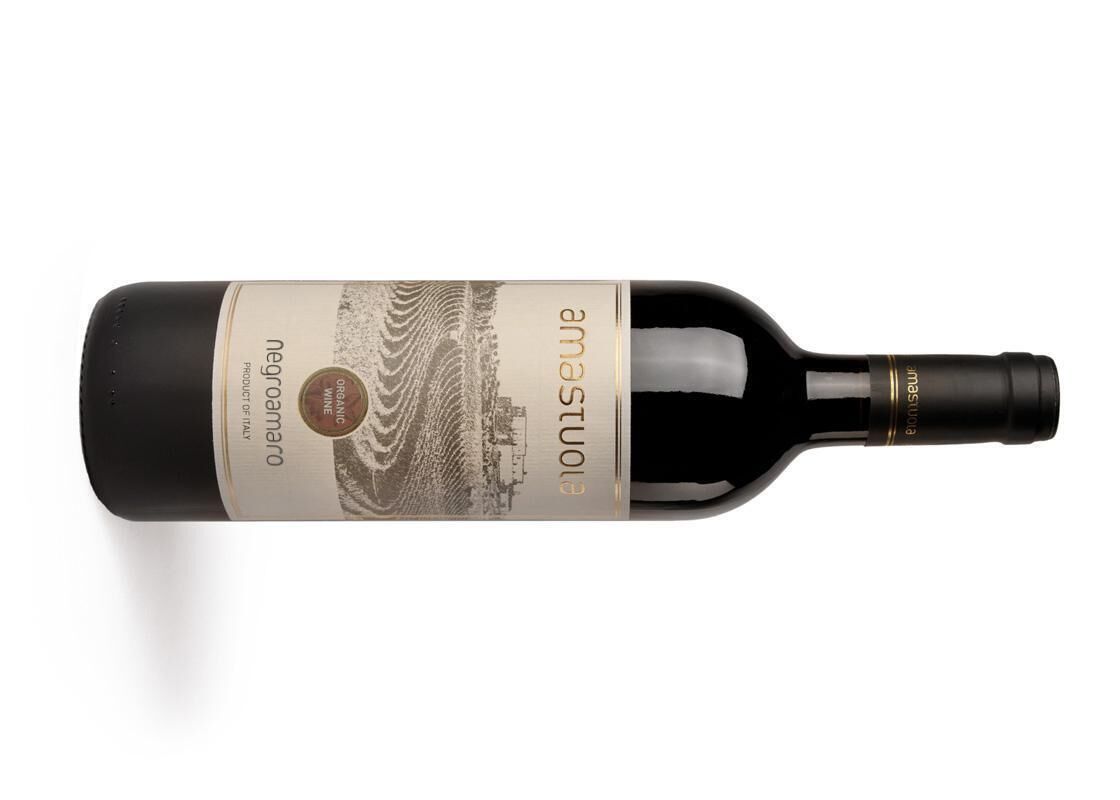
I have featured this producers’ Aglianico and Malvisia-Fiano white before but not their Negroamaro, the famed red grape native to Puglia. This is bright and lively with dried fruit aromas and a supple but structured palate brimming with pristine berry fruits tinged with spice and a touch of garrigue.
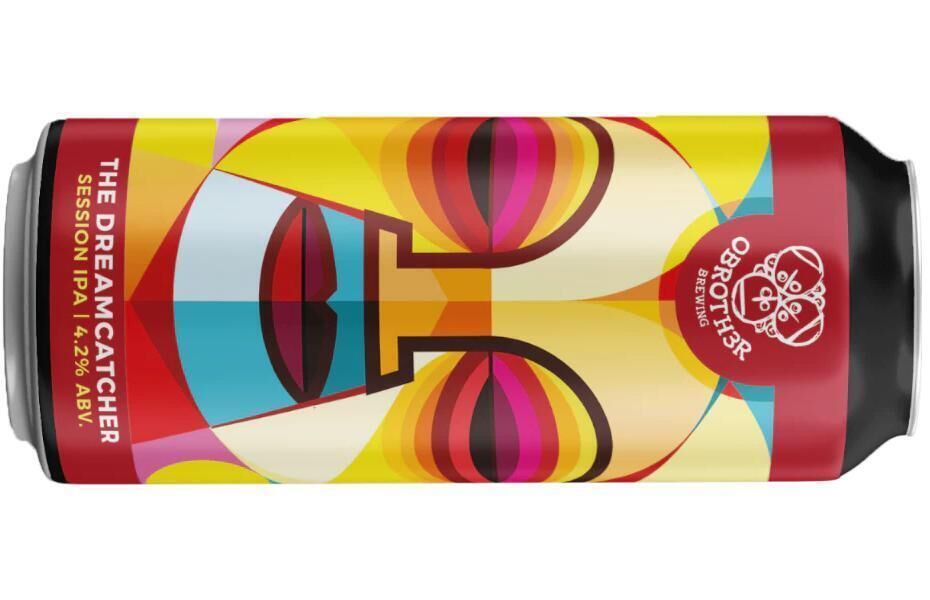
Some good news, the excellent O Brother Brewing are relocating to the beautiful Georgian surroundings of Belmont Demesne (1780) in Co Wicklow. The new brewery will allow increased production, and a tap room and visitor centre is opening this summer.
Made with Citra, Simcoe and Mandarina Bavaria hops this pours a hazy honey yellow with aromas of tangerine and lemon. Grapefruit and soft tropical fruits on the palate, juicy, tangy and refreshing — brighten up your January!