Is an air fryer worth the investment and how to use yours in the best way
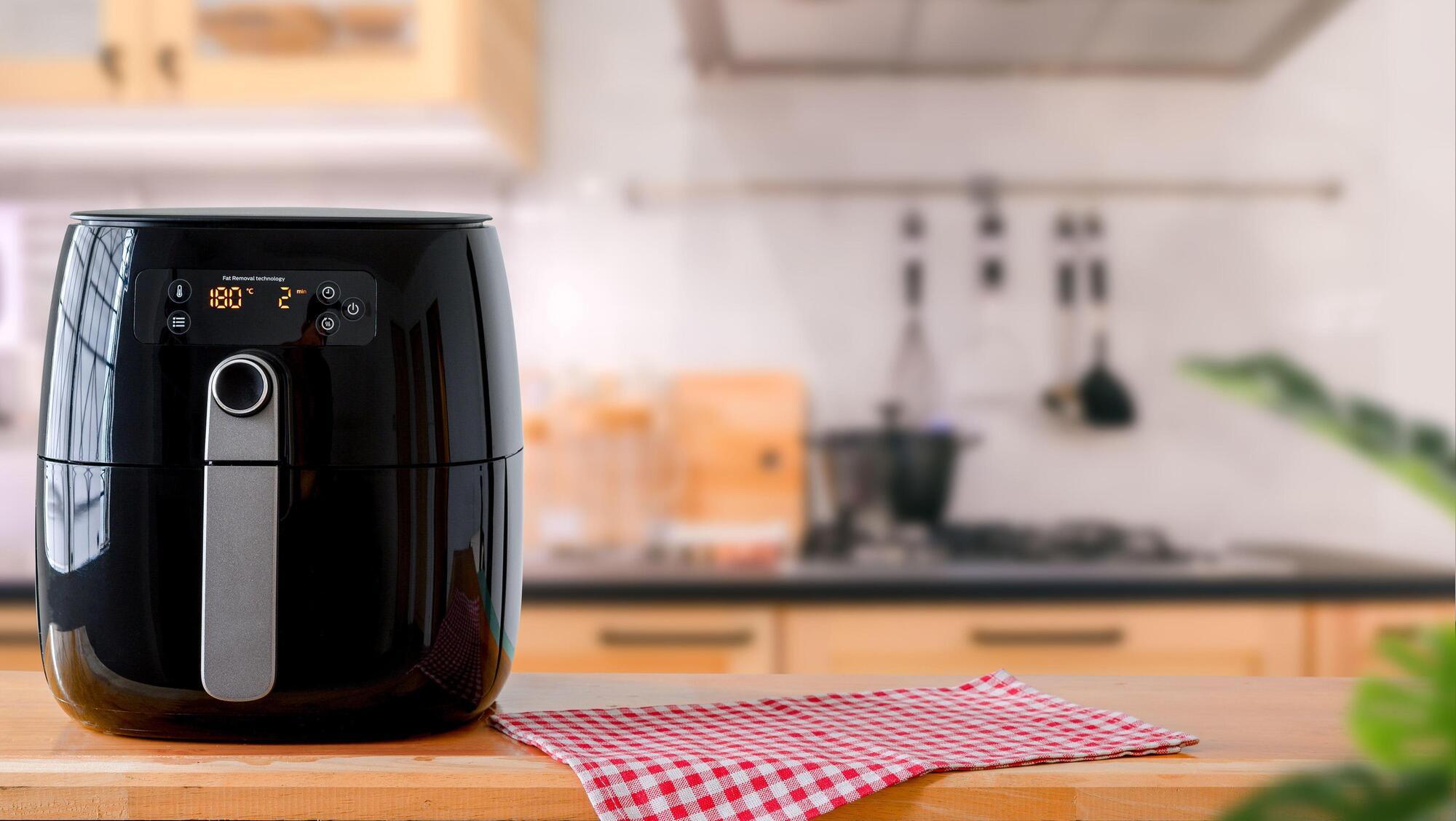
Now a staple in many homes, the handy piece of equipment is known for being cost-effective
safefood has issue advice on air fryers and food-freezing.

safefood has issue advice on air fryers and food-freezing.

Air fryers have quickly become the must-have kitchen appliance of 2023 and an important part of meals in many homes — but are they worth the investment?

Following the popularity of the kitchen appliance, Safefood has taken a close look at air fryers. For those who have yet to come across one, these devices work by circulating hot air rapidly, resulting in strong air currents and quick pre-heating.


Amid the cost of living crisis, many households have incorporated air fryers into their kitchens as it is seen as a more economical way of cooking.

However, according to Safefood, the cost-effectiveness of the device depends on the specific foods being cooked and the alternative cooking methods.

If you're contemplating whether investing in an air fryer is worthwhile, Safefood has outlined several factors to consider, such as the potential health benefits.

While air frying is certainly a healthier alternative to deep-fat frying, if you are using it to cook unhealthy foods, then they remain just that — unhealthy.

“Highly processed foods and items high in fat, sugar, or salt, such as chips, sausages, rashers, and chicken nuggets, are still not recommended for regular consumption, even when prepared in an air fryer,” says Safefood.

It also highlights how food cooked in an air fryer can be just as healthy as food cooked in an oven. In fact, Safefood says it may be marginally healthier if you use less butter or oil.

Of course, ensuring your food is fully cooked to perfection is key to getting the most out of your air fryer. Safefood recommends consulting the instructions of your air fryer for cooking times for different foods, as timings may vary depending on the model and the type of food you are cooking.

As cooking times are typically shorter with an air fryer, it is important to ensure meat and poultry are fully cooked. A meat thermometer can be helpful here. The thickest part of the meat should reach a temperature of 75°C.

For larger families or those who lie to batch cook, Safefood says an air fryer may not be the most suitable option due to space constraints.

If you're stuck on what to cook in your air fryer, we have some recipes ready to go here.

Freezing food

If you want to avoid food waste and save money, another important appliance in your kitchen is your freezer, and knowing how to make the most of it.

Here are Safefood's top tips on freezing food.

Let it cool down: Before you pop hot food in the freezer, let it cool down. Freezing hot food can raise the temperature inside the freezer and cause other items to start defrosting. If you're in a hurry, dividing the food into smaller portions can help speed up the cooling process. Remember to put it in the freezer within 2 hours of cooking.

Wrap it up right: Properly wrap your food or use sealed containers to prevent freezer burn. Freezer burn happens when water escapes from the food and collects in the coldest areas of the freezer, leaving your food dehydrated. While it won't make the food unsafe to eat, it can affect its quality.  

Be practical with portion sizes: Freeze your food in realistically sized portions. It's not fun to defrost a stew big enough to feed a small army when you're just cooking for a few. Think ahead and freeze in portion sizes that make sense for your needs.  

Label, label, label: Don't forget to label everything you freeze. Clear labels are a lifesaver. Without them, you might end up playing a guessing game with your frozen treasures. 

Respect the use-by date: Avoid freezing foods past their "use-by" date. Once they've hit that mark, it's better to bid them farewell. Freezing won't magically make them safe to eat if they were already past their prime.  

Do not let ice build up: Don't let ice take over your freezer. An icy freezer is an inefficient one. If you notice ice building up, take the time to defrost it. No worries about the food; most things will stay frozen in the fridge for a couple of hours while the freezer defrosts.  

When in doubt, toss it out: Remember, freezing doesn't kill bacteria, it just stops them from growing. If you're unsure about how long something has been frozen or if you have any doubts once it's defrosted, it's better to play it safe and discard it. 

More in this section

ieFood

Newsletter

Sign up for our weekly journey into the best of Ireland’s food scene with recipes, reviews and stories from our award‑winning food writers.

Cookie Policy Privacy Policy Brand Safety FAQ Help Contact Us Terms and Conditions

© Examiner Echo Group Limited