Darina Allen: Embrace the challenge of zero waste

Darina Allen in the gardens of the Ballymaloe Cookery School. Picture Dan Linehan

Sustainable continues to be quite the buzzword with many awards being meted out to establishments and companies who are making strides in this area.
It seems the general public is anxious to make a difference and long for bold, courageous leaders to show us the way with legislation and incentives. We fear that time is running out for our planet and desperately want to play our part in making a difference in the many little ways we can in our own environment.
CLIMATE & SUSTAINABILITY HUB
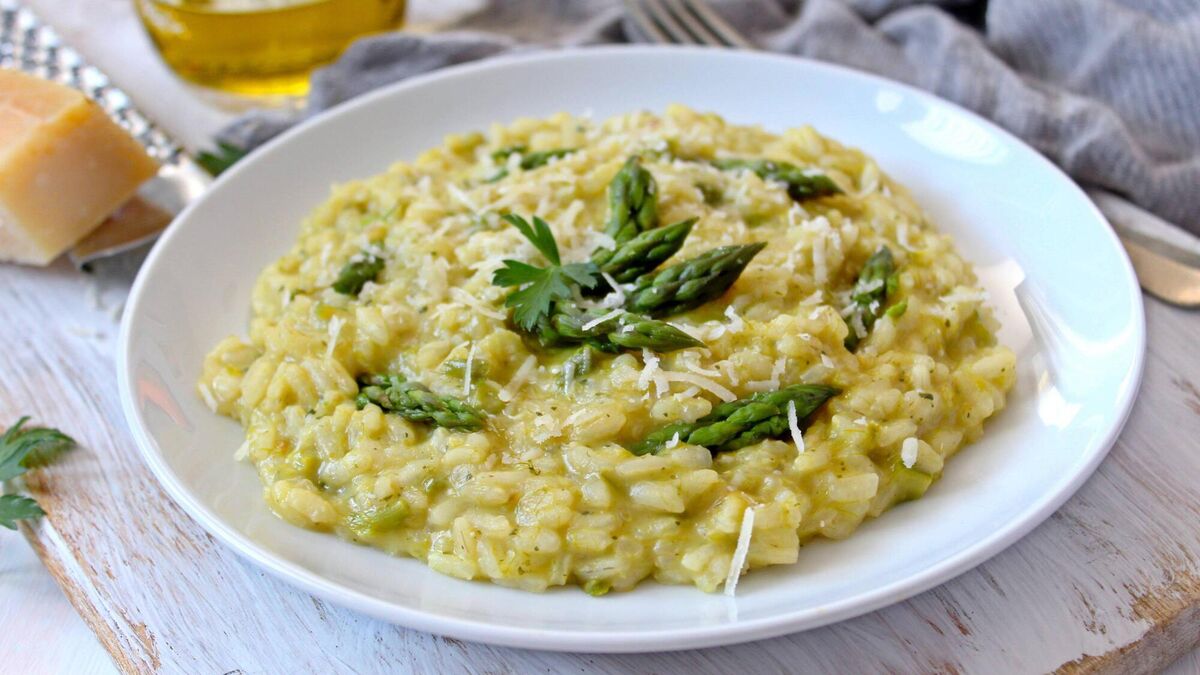
Ballymaloe Asparagus Risotto
Everyone needs to be able to whip up a risotto, comfort food at its best and a base for so many good things, from crispy pork lardons or kale to foraged nettles.
Servings
6Preparation Time
20 minsCooking Time
31 minsTotal Time
51 minsCourse
MainIngredients
225g Irish asparagus
1 - 1.3 litres chicken or vegetable stock made from the asparagus ends
50g butter
2 tbsp extra virgin olive oil
1 onion, finely chopped
400g risotto rice, such as arborio, carnaroli, or Vialone Nano
50g freshly grated Parmesan cheese or a mixture of Parmesan and Pecorino
sea salt
Method
Cook the asparagus in boiling salted water for 2-3 minutes until al dente. Cut into 5mm (1/4 inch) thick slices at an angle.
Bring the stock to the boil, reduce the heat and keep it at a gentle simmer. Melt half the butter in a heavy-bottomed saucepan with the oil, add the onion, cover and sweat over a gentle heat for 4-5 minutes until soft but not coloured. Add the rice and stir until well coated. Cook for a minute or so and then add 150ml (5fl oz) of the simmering stock, stir continuously, and as soon as the liquid is absorbed add another 150ml (5fl oz) of stock. Continue to cook, stirring constantly. The heat should be brisk, but on the other hand if it’s too hot the rice will be soft outside but still chewy inside. If it’s too slow, the rice will be gluey. It’s difficult to know which is worse, so the trick is to regulate the heat so that the rice bubbles continuously.
The risotto should take 25-30 minutes to cook.
After about 20 minutes, add the stock about 4 tablespoons at a time. I use a small ladle. Watch it very carefully from there on. The risotto is done when the rice is cooked but is still ever so slightly al dente. It should be soft and creamy and quite loose, rather than thick. The moment you are happy with the texture, stir in the asparagus plus the remaining butter and Parmesan, taste and add more salt if necessary. Serve immediately on hot plates.
Alternatively, you can pre-cook the rice for finishing later. After about 10 minutes of cooking, taste a grain or two between your teeth. It should be firm, slightly gritty, definitely undercooked but not completely raw. Remove the risotto from the saucepan and spread it out on a flat dish to cool as quickly as possible. The rice can be reheated later with some of the remaining stock and the cooking and finishing of the risotto can be completed. Risotto does not benefit from hanging around - the texture should be really soft and flowing.
Ballymaloe Vanilla Ice Cream
A take on an ice-cream staple.

Servings
12Preparation Time
30 minsTotal Time
30 minsCourse
DessertIngredients
4 organic egg yolks
100g sugar
1 tsp pure vanilla extract or seeds from 1/3 vanilla pod
1.2 litres softly whipped cream (measured after it is whipped, for accuracy)
Method
Put the egg yolks into a bowl and whisk until light and fluffy (keep the whites for meringues). Combine the sugar with 200ml of water in a small heavy-based saucepan. Stir over heat until the sugar is completely dissolved, then remove the spoon and boil the syrup until it reaches the ‘thread’ stage, about 106–113°C. It will look thick and syrupy, and when a metal spoon is dipped in the last drops of syrup will form thin threads. Pour this boiling syrup in a steady stream onto the egg yolks, whisking all the time by hand. If you are whisking the mousse in a food mixer, remove the bowl and whisk the boiling syrup in by hand; otherwise, it will solidify on the sides of the bowl.
Add the vanilla extract or vanilla seeds and continue to whisk the mixture until it becomes a thick, creamy white mousse.
This is the stage at which, if you’re deviating from this recipe, you can add liquid flavourings such as coffee. Fold the softly whipped cream into the mousse, pour into a bowl, cover and freeze.
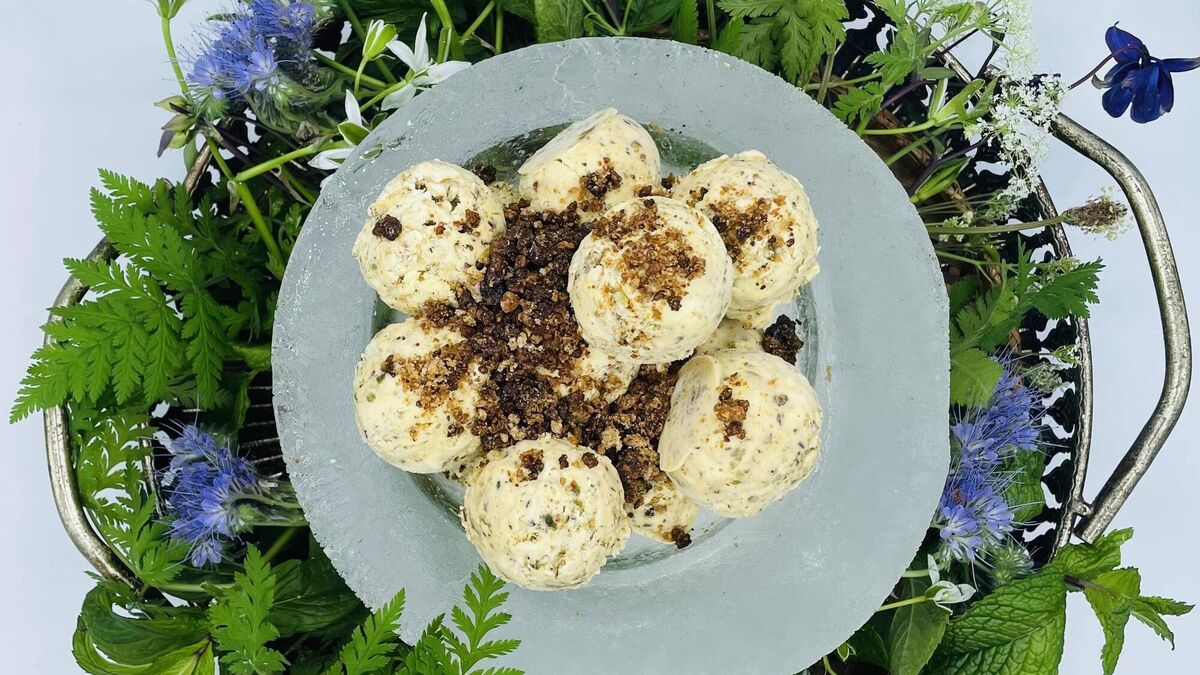
Brown Bread Ice Cream
This is also known as ‘poor man’s praline ice cream’ because it gives a similar texture but uses cheaper ingredients. This is a great way to use up brown soda or wholemeal yeast breadcrumbs that would otherwise be wasted.
Servings
12Preparation Time
30 minsTotal Time
30 minsCourse
DessertIngredients
Ballymaloe Vanilla Ice Cream (see recipe on ieFood)
350g brown soda or wholemeal yeast breadcrumbs
150g vanilla sugar
150g soft dark-brown sugar
Method
Make the Ballymaloe vanilla ice cream and freeze.
Preheat the oven to 230°C/450°F/Gas Mark 4.
Spread the chunky breadcrumbs on a baking tray. Sprinkle with sugar and toast in the oven for 10-15 minutes. Stir every four to five minutes until the sugar caramelises and coats the breadcrumbs. Turn out onto a Silpat mat and leave to cool. Pulse the caramelised breadcrumbs into small, chunky bits in a food-processor. When the ice cream is semi-frozen, fold in the mixture and freeze until fully frozen.
A little flaky sea salt put a finishing touch to many of not just savoury but also sweet dishes – chocolate and toffee squares, brownies, ice cream…
- I love the texture of Achill Ireland Sea Salt from the Wild Atlantic Way www.achillislandseasalt.ie
- Also, look out for Ballycotton Sea Salt in East Cork - www.ballycotton1851.com
- Irish Atlantic Sea Salt (West Cork) – www.irishatlanticsalt.ie
- Dingle Sea Salt - www.dingleseasalt.ie
- West Dingle Sea Salt – @WestofDingleSeaSalt on Instagram
- Oriel Sea Salt (Co. Louth) www.orielseasalt.com
Another exciting Autumn Foraging at Ballymaloe Cookery School on Saturday, September 2. An opportunity to learn how to identify the delicious and nutritious foods that grow wild all around us and not just in the countryside but also in urban areas. In just a couple of hours, learn to spot 40-50 different plants and how to incorporate them into your family meals. Who knows when this knowledge could turn into survival skills… Booking essential, limited numbers.
For more information, see www.cookingisfun.ie
By coincidence, I’m reading a brilliant book by M. F. K. Fisher, whom many consider to be, perhaps the greatest food writer of all time. 'How to Cook a Wolf' was written in 1942, to inspire courage in those daunted by wartime shortages. With her trademark wit and wisdom, Fisher shares her timeless tips for keeping up spirits and appetite when ingredients are in short supply.
Instead of regretting what we don’t have, she teaches us how to savour what we do. There are dozens of recipe ideas for sprucing up a few simple ingredients, knowing that the last thing hungry people need is hints on cutting back and making do.
Fisher gives us permission to dream, experiment, and invent adventurous and delicious meals for whatever we can salvage from the back of the cupboard. The revised edition couldn’t be more relevant for this time, the ultimate lesson in sustainability. Updated edition published by Daunt Books.