Wine with Leslie: The best of French wine - and a €10 Portugese red for the weekend
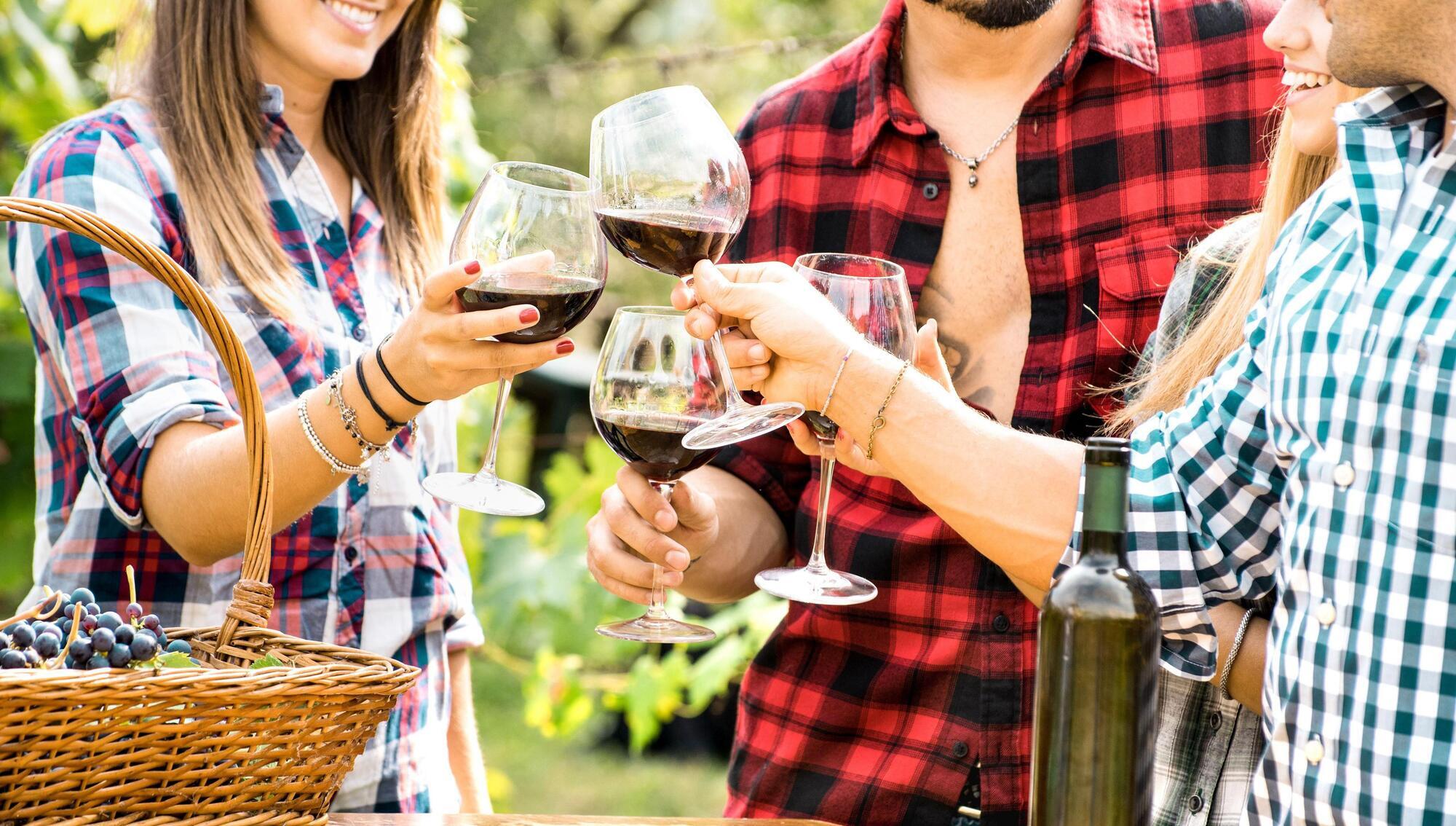
A selection of reds, including budget bottles at Dunnes and your local off-licence
In my early 20’s I visited France for the first time as an adult and stayed with family friends of my girlfriend (now wife - you may know her soubriquet ‘The Engineer’ from my restaurant reviews). Over that weekend in Brittany I realised that my obsessional interest in food and wine seemed perfectly normal to the French - I had found a sort of spiritual home.
Helping Zaig (an old Breton name) make fresh mayonnaise with just a wooden spoon and judicious drops of olive oil is a special memory. We talked in detail about the wonders of Kouign-Amann (Breton Butter Cake) which I had tasted for the first time that morning at the market. She explained how I really needed to go to Finistère in Northern Brittany to taste the best ones and it’s likely true as this extraordinary buttery wonder cake originates in the coastal town of Douarnenez.
I’ve talked a lot about terroir recently and it really is the essential concept for understanding the subtleties of wine. Yes, knowing the grape varieties and the fermentation details will help but it is no coincidence that French wine labels rarely mention grapes, to them the place a wine comes from is so much more important.
The first Appellation Contrôlée wine was Châteauneuf-du-Pape back in the 1930s and they couldn’t put the grape varieties on the front label as they would need to make room for up to 18 different varieties (in 2009 it was increased from 13 to 18). Yes, most producers use mostly Grenache plus Syrah and Mourvèdre but there really are 15 other grapes you can use.
Having some velvety Merlot to temper your tannic Cabernet in Bordeaux, or Syrah to beef up your Grenache in the Rhône is a very useful thing for a winemaker. So this week’s selections are all blends, including some you might not expect such as Altitudes Ixsir from Lebanon which proved a perfect match for the Palestinian/Lebanese Maqloubet lamb and rice dish the Engineer cooked for Easter Sunday dinner. The spice flavours in the wine and food melded perfectly and proved once again how the best wine to serve with food is the one from the local area.
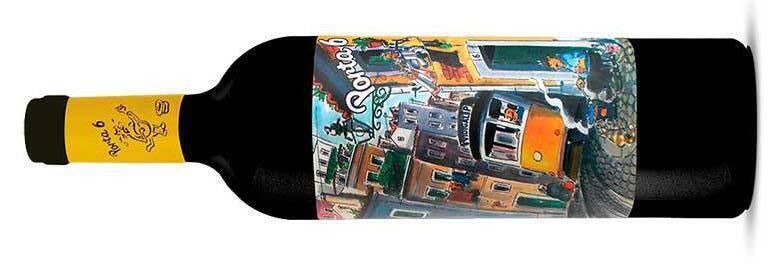
In summertime, O’Briens sometimes have this as a boxed wine and it works well lightly chilled. Like most Portuguese reds this is a blend - Aragonés (Tempranillo), Castelão and Touriga Nacional, all grapes with a fine reputation on their own. This is juicy and almost luscious on the palate with a touch of clove and spice on the finish. Serve cool.
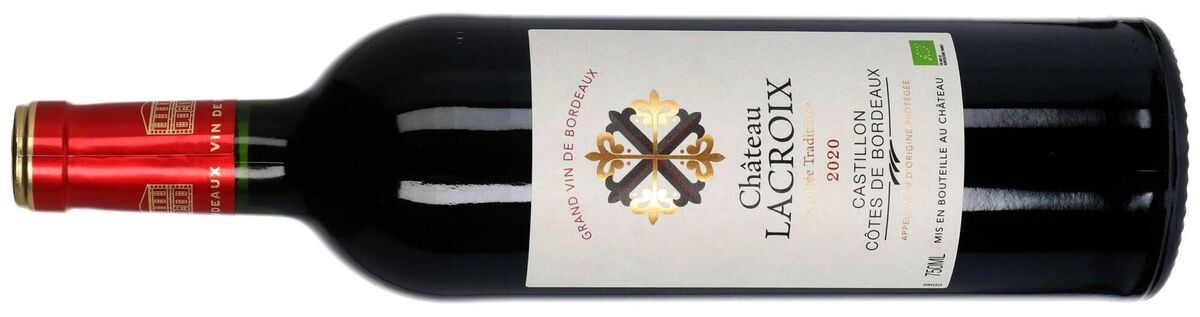
This is on offer (reduced from €11.50) but only until Monday. Bordeaux is almost always a blend (Pomerol is sometimes the exception) where soft Merlot can compensate for tannic Cabernet while Petit Verdot adds heft and Cab Franc fragrance. Blackcurrant and dark fruit aromas with a hint of chocolate, lively and fruit driven with a crunchy mid-palate.
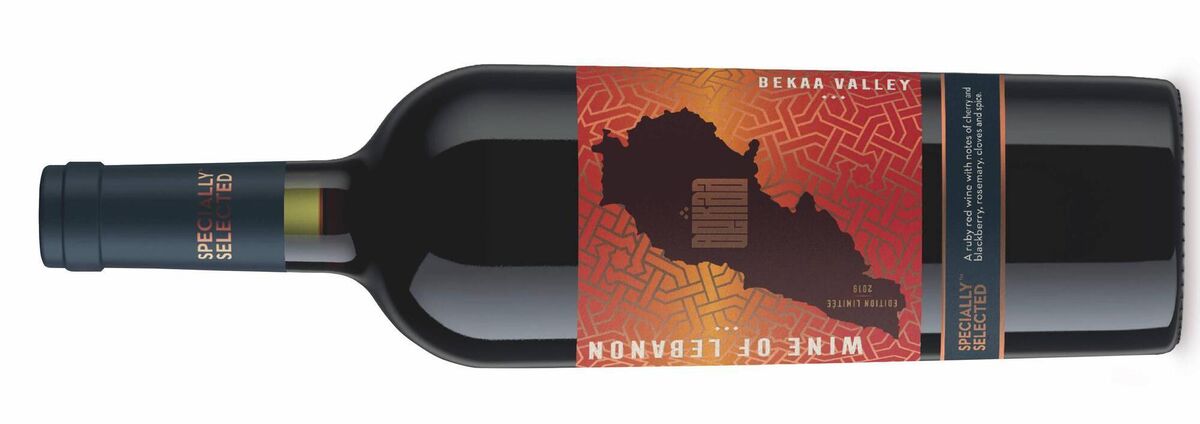
As with most wines from Lebanon, this is a blend of Bordeaux and Rhône grapes, this is rare in France with the notable exception of Cabardès in the Languedoc. This is elegant and balanced with red and darker fruit aromas and a noticeable spice character - savoury, lithe mature fruits on the mid-palate and finish.
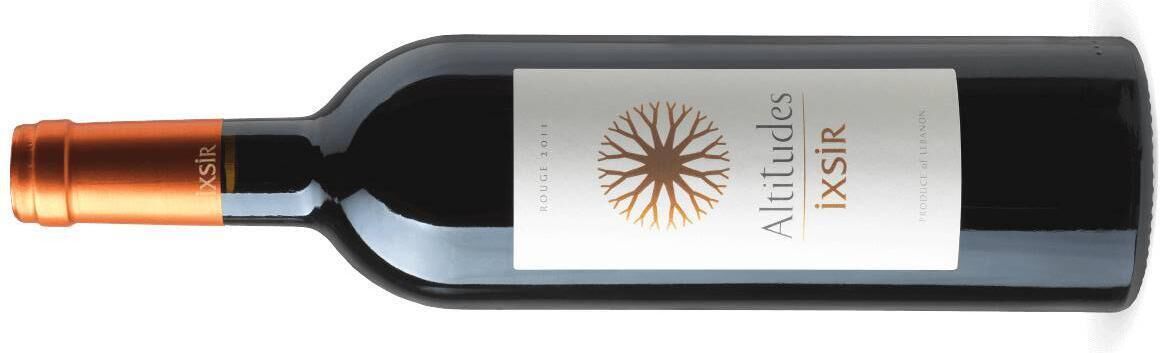
Ixsir makes organic wines in the mountains around the old Mediterranean city of Batroun. A blend of Cabernet, Caladoc, Syrah, and Tempranillo this pours a dark purple-red with ripe red and black fruit aromas - juicy and supple, with meaty layered dark fruit and a touch of liquorice and spice. Goes particularly well with middle eastern lamb dishes.
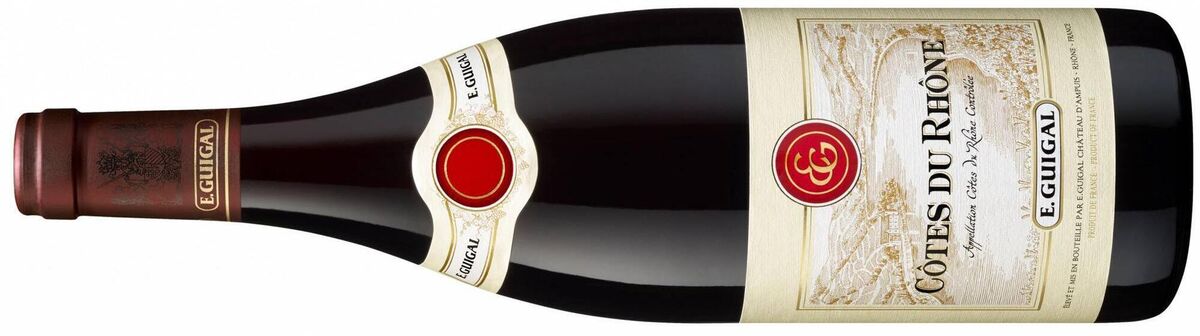
I’m not sure I’ve mentioned this old stalwart before, surely one of the best-known wine brands in Ireland. A blend of Grenache, Syrah and Mourvèdre this is richer and fuller tasting than I remember with sweet berry fruits hitting the palate first and more textured darker fruits on the mid-palate, as reliable as ever.
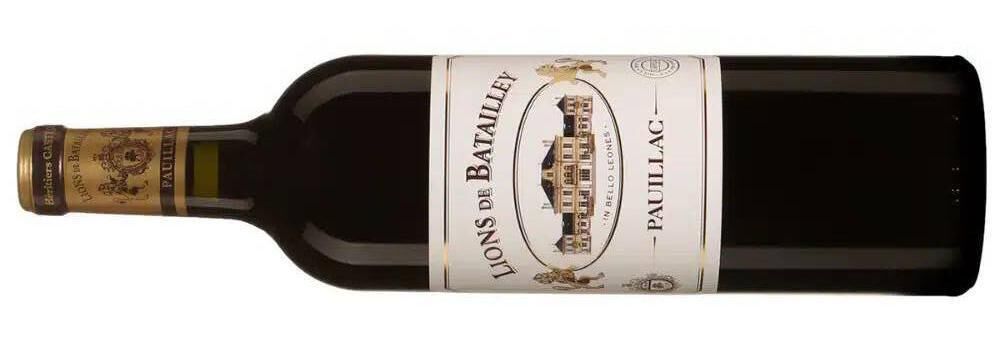
This is the second wine of Château Batailley, a 5ème Grand Cru Classé in the 1855 Classification and made in a fruit-forward style. This is on offer in Dunnes at the moment, you will pay more elsewhere. Packed with dark chocolate-tinged black fruits, supple and textured with mint, cassis and cedar notes. Treat yourself.
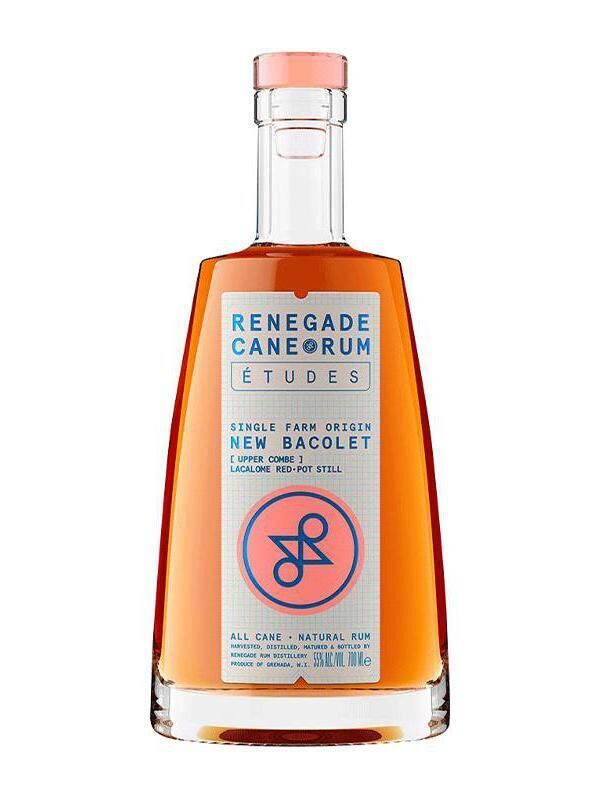
Renegade Études New Bacolet Rum, 55% ABV, 70cl - €65.00
Renegade is a sister company to Waterford Whisky based in Grenada - the latest terroir-focused spirit from Mark Reynier. As with Waterford, Renegade Rums will focus on specific varieties of sugar cane and specific terroirs. This is aged 2 years but you can also find unaged new-make ‘white’ versions.
This is a Rhum Agricole made from fresh cane juice (rather than molasses) and has aromas of banoffi and baked bananas mixed with honey and floral notes, creamy and lightly spiced on the palate with a touch of pepper on the finish. This works well sipped neat or over ice but also with a splash of ginger ale or in classic rum cocktails.