Alcoholism is rife in our industry - but cooking kept me sober and alive

Chef Martin Ruffley: “I’m sober for 20 years and I try to live within the day, sometimes within the minute".
A softly spoken man, Martin Ruffley has a whole world of international experience under his belt. He’s a chef with a travel itch, having travelled the world in search of good food, doing stages - periods of work experience - in Michelin-starred restaurants and bringing all this knowledge back home to Galway where he lectures at the College of Tourism and Arts at GMIT (now part of Atlantic Technological University).
Ruffley is also the co-author, with Anna King, of (Austin Macauley), a deeply personal food memoir that traces his life through the darkness of addiction into the light of recovery.
In a journey that involves mindfulness and cooking, Ruffley attributes his survival to his trade: “cooking was definitely my salvation. It kept me sober and alive. If I didn't have cooking I don't know where I'd be. It's almost like a sense of peace descends on me as I prepare food.”
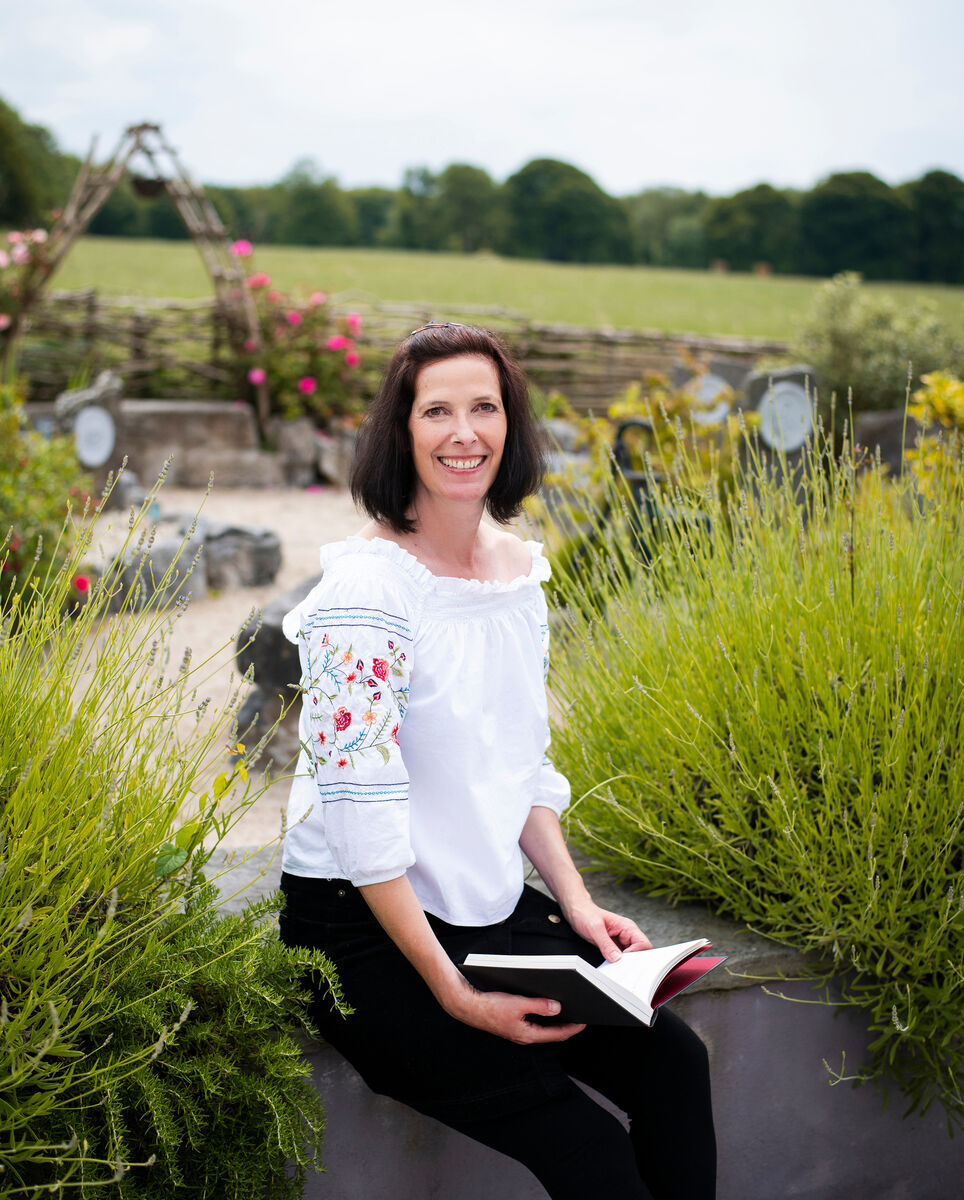
King, who initially became friends with Ruffley in 2008 when she was waitressing at a restaurant where he was working in the kitchen, is a writer with a long-term interest in mindful meditation. They spent four years collaborating on this unconventional cookbook.
Each chapter explores a period in Ruffley’s life and the food associated with it: periwinkles foraged during his Galway childhood, Lebanese and Bosnian influences (manoushi and plum cake) from his time in those countries with the UN peacekeeping forces, dishes like Goi Cuon (spring roll with pork belly) from a period of renewal while travelling in South East Asia, the focus on seasonality and terroir that comes from Ruffley’s experience of Nordic cuisine while staging at Michelin-starred restaurant Maaemo in Oslo, and onwards through to a Japanese menu that celebrates the extraordinary in the everyday. The therapeutic elements of cooking are highlighted at each stage, menus are chosen to focus on togetherness, acceptance, self-reflection, and transience.
“Mindfulness is not just paying attention and learning a skill, it also connects us to the outer and inner landscapes of wholeness," says King. "This element of mindfulness is a powerful tool for improving physical, mental health, and even emotional growth. For example, when we sit in mindful contemplation before a meal, our physiology changes – our nervous system moves from fight and flight to rest and digest. When it comes to cooking, an angry chef in a busy kitchen can create beautiful food but mindful cooking moves into another dimension.”
For Ruffley, mindfulness is now a way of life: “I meditate every morning. I’m sober for 20 years and I try to live within the day, sometimes within the minute. Every morning I take five to 10 minutes to free my mind. Then I say that I'm going to have a good day, I'm going to do someone a good turn, put on a good face. If I can help someone I will.”
By sharing his story so honestly and publicly in , Ruffley hopes to help people who are struggling with addiction issues by challenging the stigma of alcoholism. At last year’s Food on the Edge chef symposium in Dublin’s Airfield Estate he took to the stage with King and spoke eloquently with her about addiction and mindfulness in the restaurant industry. His talk struck chords with many. “Alcoholism is rife, particularly in our industry - I had the problem for a long time but couldn't see it - but there’s a stigma about it that prevents people from seeking help. If you can't see a path that's been taken, you can't see your own way.”
Now working with young chefs and passing on his knowledge - “lots of things, not just cooking” - Ruffley is adamant about the value of introducing mindfulness into the kitchen. “Annette Sweeney [culinary lecturer and culinary arts programme coordinator] has developed The Mindful Kitchen module for culinary arts students at Technology University Dublin. We definitely need to do a lot more of that stuff.”
He integrates mindfulness into the kitchen by “doing it at the beginning of service or class or a bit later on after class/service” and can see how it pays dividends for the students, not only in college but also in their external lives.
“What was seen as flaky in the 1980s is now cutting edge and we have science behind it as well," says King. "Mindfulness is accessible to everyone. It reduces the stress response, supports healing and is great for preventative mental and physical health.”
For anyone, bringing mindfulness into the kitchen, taking the time to savour the textures, aromas and colours of ingredients, is a big step towards a better cooking - and living - experience. For Ruffley, it went one stage further and helped him to find his path back home: “A lot of people don't make it. I'm very fortunate and I hope that my openness helps people to reach out.”
With textured food photography by Julia Dunin, readers of Rekindling the Fire get to mindfully travel this journey with Ruffley, through the bad times - but never bad food - and onwards into the security of family and home, finding solace at the stove. It’s a trip well worth taking.
- Rekindling the Fire: Food & The Journey of Life (Austin Macauley) by Martin Ruffley & Anna King is available in selected bookshops and online at annaking.ie/cookbook